



Did you know Shenzhen handles tens of millions of shipping containers annually? It acts as the undisputed heartbeat of South China export economy. Despite this massive infrastructure, fluctuating shipping costs, unpredictable transit times, and complex port regulations continue to eat into the profit margins of global importers.
High-volume international trade requires more than just booking a vessel. It demands strategic orchestration. Engaging a competent Shenzhen international freight forwarder serves as the critical bridge between manufacturing facilities in the Pearl River Delta and destination ports worldwide. In this comprehensive guide, we will break down everything from the most efficient shipping routes and current pricing mechanics to the granular details of regulatory compliance.
Key Takeaways for Supply Chain Optimization
- Strategic Port Advantage: The Port of Shenzhen—comprising distinct terminals like Yantian, Shekou, and Chiwan—offers unparalleled connectivity to global manufacturing hubs and consumer markets.
- Flexible Transport Solutions: Shippers can optimize their supply chains by selecting between Full Container Load and Less than Container Load based on cargo volume, fragility, and budget constraints.
- Dynamic Pricing Mechanics: Ocean freight pricing is highly volatile. Rates fluctuate based on seasonality, bunker fuel costs, and shifting geopolitical demands.
- Strict Customs Compliance: Accurate documentation and classification are non-negotiable for seamless export clearance out of Chinese jurisdictions.
- Vendor Qualification: A reliable logistics provider ensures transparent cost structures, real-time cargo visibility, and proactive supply chain management.
The Role of a Reliable Logistics Partner
To maintain a competitive edge in international trade, businesses must look beyond simple transportation. Modern supply chains require a partner who anticipates bottlenecks before they occur. From an operational standpoint, this means having boots on the ground where the cargo originates.
Navigating the Port of Shenzhen
The Port of Shenzhen is not a single entity. Rather, it is a complex collective of multiple port terminals stretching along the city coastline. Understanding the geographical and infrastructural nuances of these terminals is essential for efficient routing. Situated in the eastern part of Shenzhen, Yantian is characterized by its deep-water berths. It serves as the primary gateway for ultra-large container vessels heading to North America and Europe. Its infrastructure is specifically designed to handle massive export volumes with high efficiency.
In contrast, Shekou and Chiwan are located on the western side of the city. These terminals are strategically positioned closer to manufacturing centers like Dongguan and Zhongshan. They primarily service intra-Asia trade lanes, feeder vessels, and specific routes to the Middle East and Africa.
Why Direct Factory-to-Port Operations Matter
Picture a bustling factory floor in Dongguan where a massive order of electronics has just rolled off the assembly line. The journey of these products does not begin at the port terminal. It starts right there at the loading dock. A local forwarder steps in to manage this critical first mile.
This localized expertise involves dispatching trucks to navigate regional traffic, coordinating temporary warehousing, and executing precise cargo consolidation. Without a team on the ground, foreign buyers often face communication barriers with suppliers. This disconnect frequently leads to delayed truck dispatches, missed vessel cut-off times, and subsequent demurrage charges.
Beyond Basic Shipping Services
The scope of modern logistics extends far beyond moving a steel box across the ocean. Comprehensive maritime solutions encompass a suite of value-added operations designed to mitigate risk. These include arranging comprehensive marine cargo insurance to protect against transit damage, coordinating pre-shipment quality inspections, and providing digital tracking portals. By utilizing API integrations with ocean carriers, these platforms offer shippers real-time visibility into their inventory exact geographical location.
Comprehensive Maritime Transport Services from Shenzhen
Selecting the appropriate mode of ocean transport is a foundational decision. It directly impacts both your unit cost and your time-to-market. Shippers generally evaluate three primary categories of ocean freight based on their specific cargo profiles and operational budget.
Full Container Load Shipping
Full Container Load shipping remains the gold standard for high-volume international trade. In this arrangement, a single shipper secures the exclusive use of a shipping container. Statistically, this is the most cost-effective solution when your shipping volume exceeds 15 cubic meters. It also minimizes the risk of cargo damage, as the container remains sealed from the supplier loading dock all the way to the final destination.
| Container Type | Maximum Payload | Internal Volume | Best Used For |
|---|---|---|---|
| 20GP Standard Container | 28,000 kg | 33 Cubic Meters | Heavy, dense cargo like machinery, tiles, and metals. |
| 40GP Standard Container | 28,800 kg | 67 Cubic Meters | Standard volume cargo like consumer goods and furniture. |
| 40HQ High Cube Container | 28,600 kg | 76 Cubic Meters | Volumetric, lightweight cargo like apparel, toys, and plastics. |
Less than Container Load Shipping
For businesses dealing with smaller shipment volumes—typically between 1 and 15 cubic meters—Less than Container Load offers a highly practical alternative. Instead of paying for an entire empty container, you only pay for the specific space your cargo occupies.
The forwarder collects goods from multiple suppliers, consolidates them at a Container Freight Station in Shenzhen, and loads them into a single container. While this method is budget-friendly for small batches, be aware that transit times are generally several days longer. This delay accounts for the mandatory consolidation and deconsolidation processes at both the origin and destination ports.
Specialized Ocean Freight Solutions
Standard containers cannot accommodate every type of commodity. Professional Shenzhen ocean freight services include specialized handling protocols for complex shipments. For instance, oversized industrial machinery requires Flat Rack or Open Top containers. Commodities like lithium batteries or industrial chemicals fall under Dangerous Goods classifications, requiring specialized packing, labeling, and hazardous material declarations. Meanwhile, perishable foods and pharmaceuticals necessitate refrigerated containers to maintain precise temperature controls throughout the voyage.
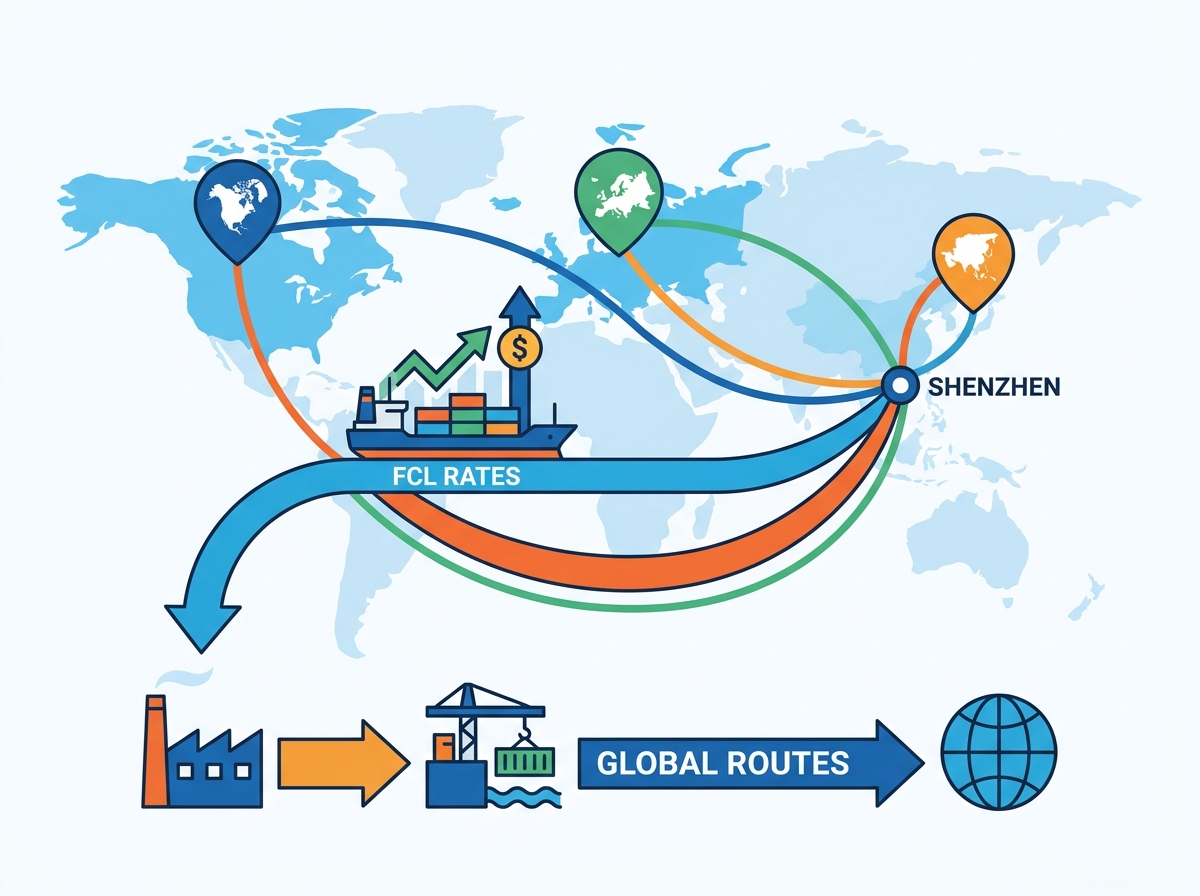
Top Global Ocean Shipping Routes and Rates
The Port of Shenzhen operates as a vital node within a vast global network. Transit times and freight rates are heavily influenced by the specific trade lane, the chosen carrier, and prevailing global events.
Industry Trends and Route Volatility
Looking at the current maritime landscape, we are witnessing a significant paradigm shift. Due to ongoing geopolitical tensions in the Red Sea and unpredictable drought conditions in the Panama Canal, ocean carriers have increasingly resorted to blank sailings and rerouting vessels around the Cape of Good Hope. This diversion adds considerable transit time and fuel costs. Furthermore, the industry is rapidly adopting digital forecasting tools to predict space shortages before they happen. Consequently, securing stable global ocean shipping routes and FCL rates now relies less on spot-market hunting and more on negotiating resilient, long-term carrier allocations that can withstand sudden supply chain shocks.
Shenzhen to North America
The Transpacific route remains one of the highest-volume trade lanes globally. Shipments bound for the United States generally split into two primary corridors. Ports such as Los Angeles, Long Beach, and Seattle serve as the fastest entry points on the US West Coast. Standard ocean transit times from Yantian range from 14 to 20 days. Keep in mind, if your cargo is moving inland via rail, you must factor in additional transfer time.
Conversely, US East Coast ports like New York, Savannah, and Charleston require vessels to transit either the Panama or Suez Canal. Transit times typically range from 25 to 35 days. Historically, rates to the East Coast are structurally higher due to the longer nautical distance and associated canal transit fees.
Shenzhen to Europe
This vital trade lane connects Shenzhen to major Northern European hubs like Rotterdam, Hamburg, and Felixstowe, alongside Mediterranean ports like Valencia. Standard routing via the Suez Canal traditionally offers transit times of 25 to 35 days. However, as noted in recent industry trends, carrier deviations around Africa can add 10 to 14 days to the journey, significantly driving up fuel surcharges.
Shenzhen to Southeast Asia, Middle East, and Australia
Thanks to its geographical proximity, Shenzhen is exceptionally efficient for intra-Asia and regional shipping. Routes to Southeast Asian hubs like Singapore and Ho Chi Minh City are incredibly swift, often taking just 3 to 7 days. Transit to the Middle East generally takes 14 to 18 days. Meanwhile, routes to Australian ports like Sydney or Melbourne average 12 to 16 days.
Understanding Rates and Pricing Models
Procurement managers often find ocean freight pricing to be notoriously opaque. A freight quote is never just a single flat fee. It is a composite of multiple operational charges. Understanding this anatomy prevents unexpected invoice disputes and allows for accurate supply chain budgeting.
How Ocean Freight Rates are Calculated
A standard freight quotation originating from Shenzhen typically breaks down into three main segments. First is the Base Ocean Freight, which is the core cost charged by the shipping line for moving the container. Second are the Origin Handling Charges. These cover the physical movement of the container at the Shenzhen port, including terminal handling, documentation, and Verified Gross Mass submission fees. Finally, Destination Delivery Charges are similar fees levied at the destination port for unloading, security, and terminal handling.
Surcharges and Hidden Fees to Watch For
The base ocean freight is highly susceptible to market volatility. Carriers utilize various surcharges to offset operational risks. You should be familiar with these standard industry terms. The Bunker Adjustment Factor is a floating fee designed to offset the volatile cost of marine fuel. The Currency Adjustment Factor is applied to mitigate losses caused by fluctuating exchange rates. The Peak Season Surcharge is implemented during high-demand periods, typically August to October, when vessel space is critically scarce. Lastly, a General Rate Increase is a standardized bump in base rates applied by carriers to adjust pricing to surging market demand.
Strategies to Secure the Best Rates
While you cannot control global market dynamics, you can employ strategic practices to optimize your freight spend. Advance booking is critical. Securing vessel space two to three weeks prior to departure provides leverage against last-minute spot market spikes. Additionally, working closely with your suppliers to optimize product packaging can increase the number of units that fit into a standard container, effectively lowering your shipping cost per unit. Finally, plan your inventory cycles to avoid shipping during the chaotic weeks leading up to the Chinese Lunar New Year and the October Golden Week holidays.
Navigating Export Customs Clearance
Physical transportation is only one half of the logistics equation. Regulatory compliance acts as the invisible gatekeeper of international trade. The Chinese General Administration of Customs enforces strict protocols. A single documentation error can lead to severe consequences, including cargo holds or substantial monetary fines.
Essential Documentation for Chinese Customs
Smooth clearance relies entirely on data accuracy across multiple standardized documents. A discrepancy of even a single digit between your commercial invoice and packing list can trigger an immediate customs hold. Mandatory paperwork includes the Bill of Lading, which acts as a receipt of goods, a contract of carriage, and a document of title. The Commercial Invoice establishes the cargo financial value. The Packing List provides a granular breakdown of the shipment physical contents. The Customs Declaration Form is the official document submitted detailing the exact nature of the export.
Compliance, Classification, and Export Licenses
Every product exported from Shenzhen must be classified under a specific Harmonized System code. Authorities use these codes to determine export tax rebates, identify restricted items, and enforce regulatory compliance. Misclassifying a code to secure a higher tax rebate is considered customs fraud and carries heavy penalties.
Certain product categories also require specialized export licenses or undergo strict Commodity Inspection before clearance. For example, exporting lithium-ion batteries requires strict UN38.3 testing certificates to prove they are safe for maritime transport. Specific medical devices may require permits from national regulatory administrations.
How Your Forwarder Prevents Port Delays
Proactive management is your best defense against port delays. A seasoned logistics provider does not wait for customs to flag an issue. By utilizing professional export customs clearance for ocean freight, your forwarder will audit all commercial documents before the cargo even arrives at the terminal. They verify codes, ensure supplier export licenses are valid, and resolve discrepancies proactively. If authorities do require a physical inspection, a localized broker will be on-site immediately to facilitate the process, ensuring your goods clear customs smoothly and meet the vessel strict cut-off schedule.
How to Choose the Right Freight Forwarder
The logistics market in South China is highly saturated. Selecting a vendor based solely on the lowest initial quote often results in hidden fees, poor communication, and disastrous supply chain disruptions. Evaluating a logistics partner requires a systematic, engineering-like approach to vendor qualification.
Vetting for Industry Experience and Global Networks
A fundamental criterion for selection is ensuring the provider holds a valid Non-Vessel Operating Common Carrier license. Licensed entities negotiate directly with major ocean carriers like Maersk, MSC, and COSCO. During peak shipping seasons, vessel space out of Yantian and Shekou becomes severely constrained. Forwarders with established, high-volume contracts—often managing thousands of TEUs annually—receive priority space allocation. In contrast, inexperienced brokers will struggle to get your containers loaded, regardless of the premium you pay.
Technology, Transparency, and Customer Support
Modern supply chains demand data visibility. The reliance on manual spreadsheets and delayed email updates is no longer sufficient. Prioritize partners that invest in digital infrastructure, offering centralized tracking portals that integrate directly with carrier data APIs. Transparent quoting practices are equally important. A professional forwarder will provide a comprehensive breakdown of all origin, ocean, and destination charges upfront. Having a dedicated account manager who intimately understands both Chinese export protocols and your specific industry requirements significantly reduces operational friction.
Conclusion
Optimizing your supply chain out of China requires a deep understanding of routing efficiency, dynamic pricing models, and rigorous customs compliance. The cheapest initial freight quote rarely translates to the best overall value. Reliability, proactive problem-solving, and comprehensive transport solutions ultimately save your business money by preventing costly delays and inventory stockouts.
Stop letting unpredictable logistics eat into your profit margins. If you are looking to streamline your South China export operations, secure stable vessel space, and ensure absolute customs compliance, it is time to upgrade your logistics strategy. Explore tailored, high-efficiency shipping solutions at JFSZ Logistics and let our team of experts engineer a supply chain that works relentlessly for your bottom line.
Frequently Asked Questions
How long does ocean freight take from Shenzhen to the USA?
Transit times depend heavily on your destination coast. For the US West Coast, port-to-port transit typically ranges from 14 to 20 days. For the US East Coast, the journey takes longer—usually 25 to 35 days—due to canal transits. Remember to factor in additional time for origin consolidation, customs clearance, and final inland delivery, which can add one to two weeks to the total door-to-door transit time.
What is the difference between Free on Board and Ex Works when shipping from Shenzhen?
Free on Board and Ex Works are standard Incoterms that dictate the transfer of risk and cost. Under Ex Works, the buyer is responsible for all transportation costs and risks from the moment the goods leave the Chinese factory floor, including inland trucking and export clearance. Under Free on Board, the Chinese supplier pays for inland transport and clears the goods for export at the Shenzhen port. The buyer financial responsibility only begins once the cargo is physically loaded onto the outbound vessel.
Are my goods automatically insured during maritime transport?
No, your goods are not comprehensively insured by default. Under international maritime law, an ocean carrier liability is strictly limited, often capped at a minimal amount, for instance, 500 dollars per customary freight unit. If a container is lost at sea, damaged by severe weather, or subject to General Average, the carrier compensation will cover only a fraction of your cargo true commercial value. Purchasing comprehensive marine cargo insurance is a highly recommended risk management strategy.
How often do ocean freight rates fluctuate?
Ocean freight pricing functions much like a commodities market and is highly dynamic. Rates can fluctuate on a bi-weekly or monthly basis. These changes are driven by General Rate Increases, fluctuating bunker fuel costs, and peak season demands. To mitigate this volatility, businesses with consistent shipping volumes often negotiate long-term fixed-rate contracts to stabilize their supply chain budgets.
How is the current Red Sea crisis affecting Shenzhen ocean freight?
The ongoing disruptions in the Red Sea have forced major carriers to reroute vessels bound for Europe and the US East Coast around the Cape of Good Hope in Africa. This diversion adds approximately 10 to 14 days to standard transit times and has led to increased bunker fuel surcharges. Shippers must now plan their inventory cycles with these extended lead times in mind.
What is the best way to track my ocean freight shipment from Shenzhen?
The most efficient way to track your shipment is through a forwarder that provides a digital tracking portal integrated with carrier APIs. Instead of relying on manual email updates, these platforms use your Bill of Lading or container number to provide real-time GPS location data, vessel milestone updates, and estimated times of arrival directly to your dashboard.
Related Blogs
-
 Door to door shipping from China simplifies international logistics. But how can you ensure smooth delivery from factory to destination? Choosing the right shipping method, preparing documents, and understanding customs responsibilities are essential. This guide explains each shipping step, compares sea, air, and express services, and clarifies DDP and DAP terms. Learn how to arrange reliable deliveries and avoid unexpected costs.
-
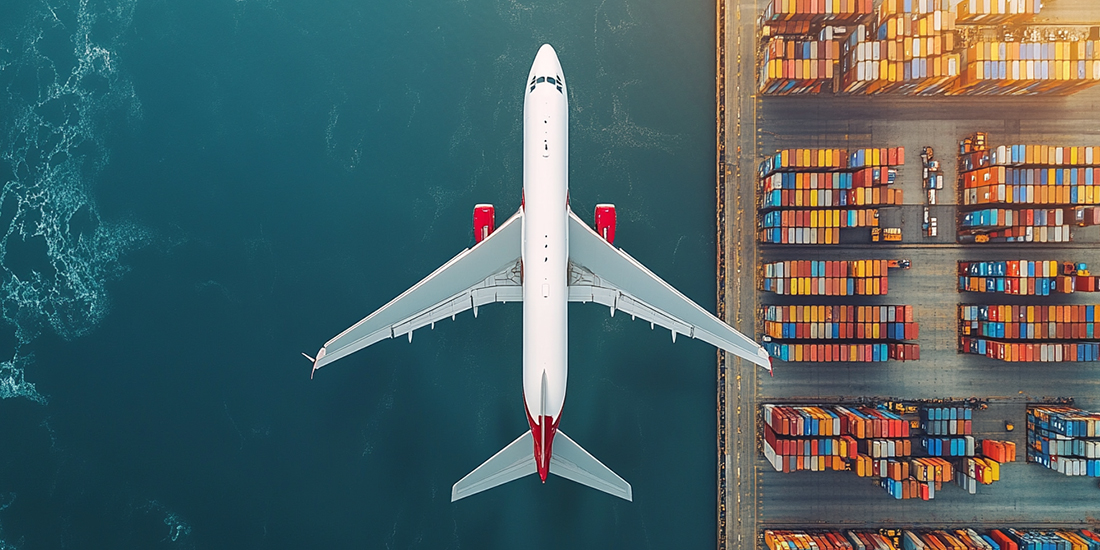 When production stops, every delivery day matters. Delayed components can disrupt schedules and customer commitments. Air freight from China offers a practical solution for urgent commercial shipments. However, choosing the right service requires careful planning. This guide compares standard, priority, and express shipping. You will also learn about flight schedules, customs clearance, and cargo preparation.
-
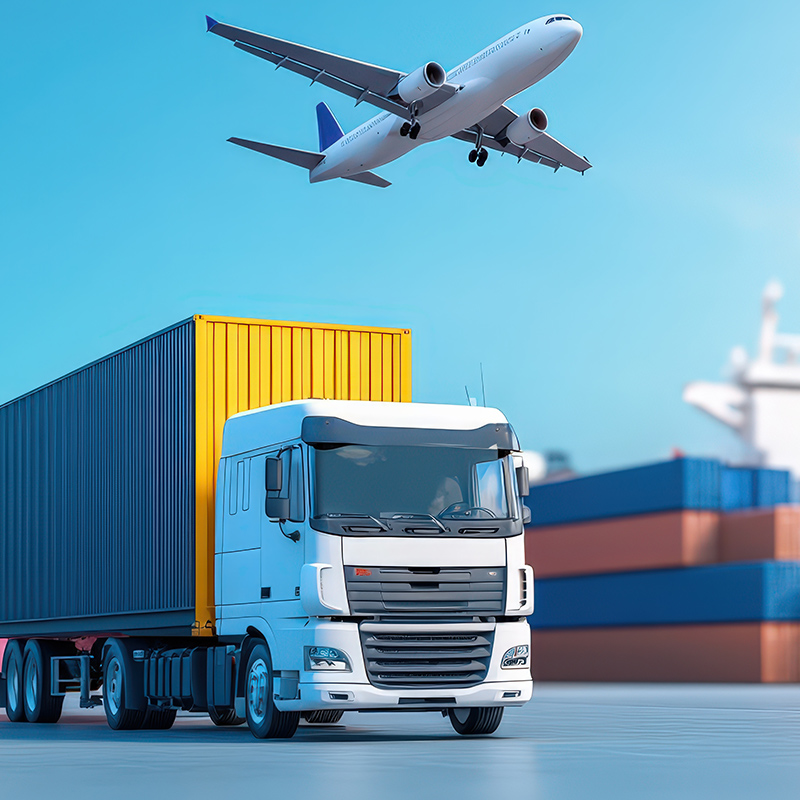 Air freight from China offers speed, but costs can vary significantly. Do you know what determines your final shipping bill? This guide explains air freight cost from China, including per-kilogram rates, chargeable weight, surcharges, and destination fees. Learn how to estimate costs and reduce shipping expenses.
