



Door to door shipping from China simplifies international logistics. But how can you ensure smooth delivery from factory to destination? Choosing the right shipping method, preparing documents, and understanding customs responsibilities are essential. This guide explains each shipping step, compares sea, air, and express services, and clarifies DDP and DAP terms. Learn how to arrange reliable deliveries and avoid unexpected costs.
How Does Door-to-Door Shipping from China Work?
Door-to-door shipping covers the transportation process from the supplier's location in China to the buyer's designated delivery address. A freight forwarder coordinates different logistics stages, including pickup, warehousing, export declaration, international transportation, import clearance, and final delivery.
The exact service scope depends on the agreement. Importers should confirm which activities and charges are included before booking. A reliable logistics partner can coordinate different transportation stages, including supplier pickup, international freight, customs clearance, and final delivery. Explore our international logistics services to understand the available shipping solutions for your business.
Step 1: Arrange Cargo Pickup from Chinese Suppliers
The process starts when the buyer confirms the goods are ready for collection. A freight forwarder contacts the supplier and arranges local transportation.
Pickup arrangements depend on the agreed trade terms:
EXW (Ex Works): The buyer generally arranges transportation from the seller's premises. Export clearance also needs to be arranged under the applicable agreement.
FOB (Free on Board): The seller handles export clearance and delivers the goods onboard the nominated vessel at the agreed port. FOB applies to sea and inland waterway transport.
The forwarder needs the factory address, supplier contact, cargo quantity, and estimated ready date. These details help arrange suitable vehicles and warehouse receiving schedules.
For multiple suppliers, pickup dates should be coordinated carefully. This prevents unnecessary waiting and missed shipping schedules.
Step 2: Warehouse Receiving, Inspection, and Cargo Consolidation
Some importers purchase products from several Chinese factories. A consolidation warehouse can receive these shipments before international transportation.
Warehouse services may include:
Cargo counting and package registration.
Gross weight and dimensional measurements.
Packaging condition inspection.
Temporary storage and shipment coordination.
Repacking, labeling, and palletization.
Consolidation of multiple supplier orders.
Cargo consolidation allows buyers to organize different purchases into one international shipment. It can reduce repeated transportation and simplify document coordination.
However, consolidation requires additional warehouse processing time. The forwarder should confirm when every supplier can deliver its goods.
Tip: Provide a supplier list and expected ready dates before arranging collection. This helps the warehouse prepare space and coordinate incoming shipments.
Step 3: Choose Sea Freight, Air Freight, or Express Shipping
After cargo receiving, the forwarder recommends a suitable transportation method. The choice depends on shipment volume, urgency, destination, and cargo characteristics.
Sea freight supports larger commercial shipments. Air freight suits urgent or higher-value cargo. International express services are useful for smaller packages.
The selected method determines the booking process, transportation schedule, and destination handling arrangements.
Step 4: Complete Export Customs Clearance in China
Before departure, goods must meet applicable Chinese export requirements. The exporter or authorized customs representative prepares the required declaration.
Common documents include:
Commercial invoice.
Packing list.
Export declaration information.
Product-specific permits, when required.
Supporting certificates, where applicable.
Product descriptions should accurately identify the goods. Declared values, quantities, and classifications must also match the supporting documents.
Incomplete information may lead to customs questions or additional inspections. Certain products require specific export licenses or regulatory approvals.
Step 5: Arrange International Transportation and Import Customs Clearance
Once export procedures are completed, the cargo moves through the selected international transportation network.
The destination customs process generally requires product descriptions, declared values, classification codes, and supporting documents. Customs authorities may request additional information or inspect the shipment.
Import duties and VAT depend on destination regulations. They may also vary according to product classification, customs value, and applicable trade policies.
The service arrangement determines who coordinates import clearance and pays applicable charges.
Under DAP, the buyer generally handles import clearance and taxes. Under DDP, the seller assumes these responsibilities, subject to applicable legal requirements.
Step 6: Complete Final-Mile Delivery to the Destination Address
After customs release, the cargo enters the destination delivery stage. Local transportation providers arrange delivery to the agreed address.
This stage may include:
Destination warehouse handling.
Local trucking arrangements.
Delivery appointment scheduling.
Shipment tracking and status updates.
Proof of delivery after receipt.
Commercial warehouses may require advance booking. Amazon FBA shipments may also need specific labels and delivery appointments.
Tip: Ask your freight forwarder to confirm whether pickup, customs clearance, taxes, and final delivery are included in the quoted service.
Which Door-to-Door Shipping Method Should You Choose?
Choosing the correct transportation method helps businesses balance delivery speed, cargo requirements, and logistics costs. Door-to-door shipping from China generally offers three main options.
Door-to-Door Sea Freight for Large and Heavy Shipments
Sea freight is suitable for businesses transporting large volumes of commercial goods. It supports both Full Container Load (FCL) and Less than Container Load (LCL) shipments.
FCL: One shipper uses an entire container for the shipment.
LCL: Several shippers share container space for smaller shipments.
FCL works well when cargo volume justifies a dedicated container. LCL provides flexibility when importers cannot fill an entire container.
Typical applications include furniture, machinery, building materials, and bulk merchandise.
Door-to-Door Air Freight for Time-Sensitive Cargo
Air freight provides faster international transportation than conventional sea freight. It is useful when businesses need urgent inventory replenishment or replacement components.
Common applications include:
Electronic components and equipment.
Machinery replacement parts.
Product samples and testing materials.
Higher-value commercial products.
However, airport handling, flight availability, and destination delivery affect the total schedule. Air freight also requires compliance with airline cargo acceptance rules.
International Express Shipping for Small Packages
International express services offer integrated pickup and delivery networks. Common providers include DHL, UPS, FedEx, Aramex, and China Post.
They are suitable for documents, samples, small parcels, and urgent customer orders.
Express services generally simplify shipment tracking and customs coordination. However, coverage, weight restrictions, commodity acceptance, and delivery conditions vary by provider.
Shipping Method | Suitable Cargo | Main Consideration |
|---|---|---|
Sea Freight | Large and heavy cargo | Longer transit schedules |
Air Freight | Medium-sized urgent cargo | Flight availability |
Express | Small parcels and samples | Service coverage and weight limits |
Note: The best shipping method depends on cargo dimensions, delivery deadlines, destination, and total logistics requirements.
What Documents and Cargo Information Are Needed?
Preparing accurate shipment information helps forwarders select transportation services and avoid unnecessary booking delays.
Essential Documents for Door-to-Door Shipping
Most international commercial shipments require several basic documents.
Document | Main Purpose |
|---|---|
Commercial Invoice | Shows product descriptions and declared values |
Packing List | Identifies packages, quantities, and weights |
Bill of Lading | Transport document for sea freight |
Air Waybill | Transport document for air freight |
Certificate of Origin | Identifies the goods' country of origin |
Product Certificates | Supports applicable regulatory requirements |
Not every shipment requires every document. Requirements depend on the product, transportation method, and destination country.
Importers should confirm specific requirements before cargo dispatch.
Cargo Details Required for a Shipping Quotation
A freight forwarder needs sufficient information to calculate transportation requirements and prepare a suitable service plan.
Prepare the following details:
Product name and accurate description.
Product photos, when available.
Total gross weight.
Total cargo volume.
Number of cartons or pallets.
Individual package dimensions.
Pickup address in China.
Destination address and postal code.
FOB or EXW trade terms.
Cargo insurance requirements.
Import customs clearance requirements.
The loading and discharge ports may also be required for sea freight quotations.
These details help the forwarder identify suitable carriers and estimate the complete shipping arrangement.
Packaging, Labeling, and Special Cargo Requirements
Proper packaging protects products during warehouse handling and international transportation. It also helps reduce damage during loading and unloading.
Businesses should check carton strength, protective materials, pallet dimensions, and shipping labels.
Special cargo requires additional attention. Batteries, liquids, chemicals, and dangerous goods may face airline, carrier, or customs restrictions.
Some shipments need safety data sheets, test reports, declarations, or special packaging. These requirements should be checked before booking.
For Amazon FBA deliveries, importers should also confirm product labels, carton markings, pallet standards, and warehouse appointment procedures.
Tip: Prepare accurate cargo dimensions and weight before requesting quotations. This helps forwarders evaluate transportation options and avoid repeated adjustments.
What Are DDP and DAP Door-to-Door Shipping Terms?
DDP and DAP define the responsibilities of buyers and sellers during international transportation. Understanding these terms helps importers avoid misunderstandings about customs clearance, taxes, and final delivery.
How Does DDP Shipping from China Work?
DDP means Delivered Duty Paid. Under this arrangement, the seller assumes responsibility for arranging transportation and completing import customs clearance.
The seller also pays applicable import duties and taxes. Delivery takes place at the agreed destination, with the goods ready for unloading.
DDP can simplify purchasing for international buyers. They do not normally need to manage the import clearance process themselves.
However, the seller must be able to meet destination-country import requirements. Local regulations may also restrict who can act as the importer of record.
Before booking, both parties should confirm the tax arrangement and documentation responsibilities.
How Does DAP Shipping from China Work?
DAP means Delivered at Place. The seller arranges transportation to the agreed destination.
However, the buyer generally handles import customs clearance and pays applicable duties and taxes.
The buyer should prepare the necessary import documents before the cargo arrives. This helps reduce customs processing delays.
DAP can suit businesses that already have customs brokers or established import procedures.
It also gives buyers greater control over their import declarations and tax payments.
DDP vs. DAP: Which Arrangement Is Better?
The two arrangements offer different levels of responsibility.
Comparison | DDP | DAP |
|---|---|---|
International transportation | Seller arranges | Seller arranges |
Import customs clearance | Seller responsible | Buyer responsible |
Import duties and taxes | Seller responsible | Buyer responsible |
Delivery destination | Agreed destination | Agreed destination |
Buyer involvement | Generally lower | Higher |
DDP may suit buyers seeking a coordinated delivery arrangement. DAP may suit experienced importers with established customs resources.
Note: DDU is an older Incoterms term. DAP replaced DDU under Incoterms 2010. Always confirm the applicable Incoterms edition and named delivery location.
Importers should also verify local regulations and importer-of-record requirements before booking.
How Much Does Door-to-Door Shipping from China Cost?
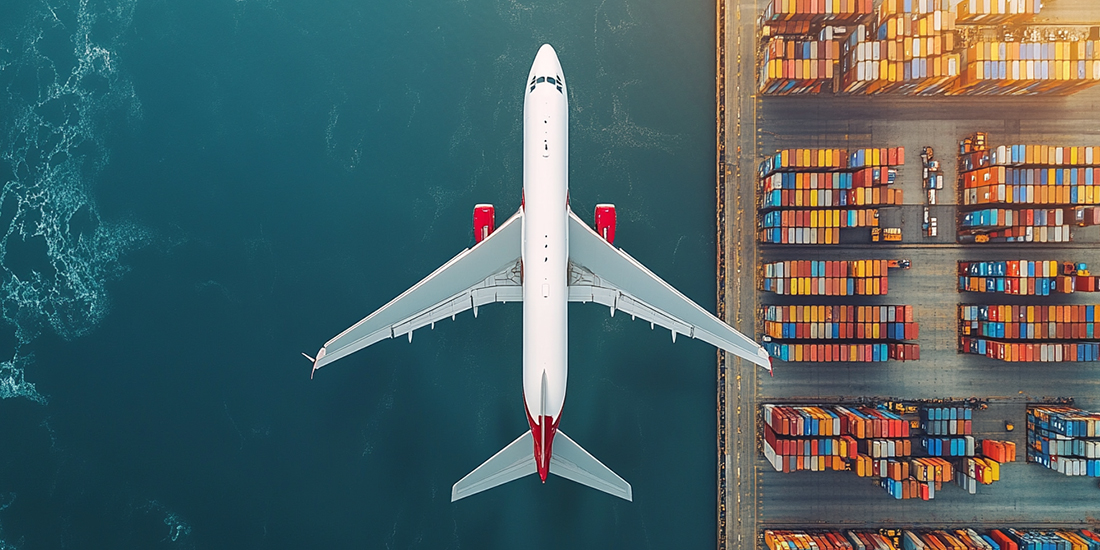
The total cost depends on transportation arrangements and destination requirements. A complete quotation should cover more than international freight charges.
Main Factors Affecting Shipping Costs
Several factors influence the final shipping quotation:
Transportation method: Sea freight, air freight, and express services have different pricing structures.
Cargo weight and volume: Shipment dimensions and gross weight influence freight calculations.
Container requirements: FCL and LCL shipments involve different transportation and handling arrangements.
Pickup location: Distance between suppliers and warehouses affects local transportation charges.
Customs requirements: Brokerage services, import duties, and taxes affect the total expense.
Final delivery: Distance, access conditions, and special delivery requirements may increase local charges.
Destination regulations and seasonal capacity can also affect shipping quotations.
What Charges Should Be Included in a Shipping Quotation?
A complete door-to-door quotation should clearly identify the included services.
Cost Component | Typical Service |
|---|---|
Origin Pickup | Factory collection and local transportation |
Warehouse Handling | Receiving, inspection, and storage |
Export Clearance | Export declaration and documentation |
International Freight | Sea, air, or express transportation |
Destination Handling | Arrival processing and cargo handling |
Import Clearance | Customs brokerage and declaration |
Duties and VAT | Applicable import taxes |
Final Delivery | Local transportation to the destination |
Not every quotation includes all these charges. Some providers quote transportation separately from customs clearance and destination delivery.
Importers should check exclusions before accepting an offer.
How Can Importers Avoid Unexpected Shipping Expenses?
Unexpected charges often result from unclear service scopes or incomplete cargo information.
Businesses can reduce these risks through several practical steps:
Request itemized shipping quotations.
Confirm all included and excluded services.
Check destination handling charges.
Clarify storage, inspection, and demurrage fees.
Confirm tax responsibilities under DDP or DAP.
Request written confirmation of additional charges.
For example, a low international freight quotation may exclude destination handling and final delivery. Comparing complete service packages provides a more accurate cost assessment.
Tip: Compare complete door-to-door quotations rather than comparing international freight rates alone.
How to Choose a Reliable China Door-to-Door Freight Forwarder?
A reliable freight forwarder coordinates transportation, documentation, customs procedures, and final delivery. Businesses should evaluate its service capabilities before selecting a logistics partner. Choosing an experienced freight forwarder is essential for coordinating international shipments. Learn more about our freight forwarding services and how professional logistics coordination can simplify cargo transportation from China to overseas destinations.
Evaluate International Transportation and Destination Coverage
First, check whether the forwarder offers suitable transportation options.
Important considerations include:
Sea freight, air freight, and express services.
FCL and LCL shipping arrangements.
Coverage across major Chinese departure ports.
Destination-country delivery capabilities.
Overseas agents and local transportation resources.
Experience handling different commercial cargo types.
A forwarder with multiple transportation options can help businesses adjust shipping arrangements when schedules or cargo requirements change.
Destination coverage also matters. Confirm whether the provider can coordinate local customs clearance and final delivery in your target market.
Check Warehousing, Consolidation, and Customs Capabilities
Warehousing capabilities are particularly important for importers purchasing from multiple Chinese suppliers.
A suitable logistics partner should provide clear information about its warehouse operations.
Evaluate these capabilities:
Warehouse receiving and cargo registration.
Cargo inspection and measurement.
Multi-supplier cargo consolidation.
Repacking and package labeling.
Export customs declaration support.
Destination customs coordination.
International door-to-door delivery arrangements.
For example, an importer purchasing machinery parts from three factories may need warehouse collection before shipment. A forwarder that coordinates receiving and consolidation can simplify this process.
Some providers also support Amazon FBA labeling and delivery appointments. Confirm these capabilities if your business uses fulfillment warehouses.
Compare Quotations, Tracking, and Customer Support
Transparent communication helps businesses manage international shipments more effectively.
Before booking, evaluate the following points:
Evaluation Area | Questions to Ask |
|---|---|
Quotation | Are all transportation and handling charges listed? |
Transit Time | Are estimated schedules clearly explained? |
Customs | Who handles export and import clearance? |
Tracking | Can shipment status be checked regularly? |
Insurance | What coverage and compensation terms apply? |
Communication | Who handles shipment updates and exceptions? |
A reliable forwarder should explain potential delays and provide timely shipment updates.
Businesses should also understand cargo insurance coverage. Standard carrier liability may differ from full cargo insurance protection.
Tip: Ask for a complete shipping plan covering pickup, international transportation, customs clearance, and final delivery before confirming your booking.
Conclusion
Door-to-door shipping from China connects supplier pickup, international transportation, customs clearance, and final delivery. Choosing suitable shipping methods and understanding DDP and DAP responsibilities helps control costs and avoid delays.
Shenzhen Jianfu International Freight Forwarding Co., Ltd. provides integrated logistics services, including sea freight, air freight, customs clearance, warehousing, and international door-to-door delivery. Its coordinated services help businesses simplify shipping and manage international cargo efficiently.
FAQ
Q: What Is Door-to-Door Shipping from China?
A: It covers supplier pickup, international transportation, customs clearance, and final delivery.
Q: How Long Does Door-to-Door Shipping Take?
A: Sea freight takes longer than air freight or express. Actual transit times depend on destination and customs.
Q: Which Door-to-Door Shipping Method Is Best?
A: Sea freight suits large cargo. Air freight and express suit urgent shipments.
Q: What Is the Difference Between DDP and DAP?
A: DDP includes import duties and clearance. Under DAP, buyers handle these responsibilities.
Q: How Much Does Door-to-Door Shipping from China Cost?
A: Costs depend on cargo weight, volume, shipping method, customs fees, and final delivery.
Q: How Can I Arrange Door-to-Door Shipping from China?
A: Provide cargo details, pickup and delivery addresses, and preferred shipping terms to a freight forwarder.
Related Blogs
-
 Door to door shipping from China simplifies international logistics. But how can you ensure smooth delivery from factory to destination? Choosing the right shipping method, preparing documents, and understanding customs responsibilities are essential. This guide explains each shipping step, compares sea, air, and express services, and clarifies DDP and DAP terms. Learn how to arrange reliable deliveries and avoid unexpected costs.
-
 When production stops, every delivery day matters. Delayed components can disrupt schedules and customer commitments. Air freight from China offers a practical solution for urgent commercial shipments. However, choosing the right service requires careful planning. This guide compares standard, priority, and express shipping. You will also learn about flight schedules, customs clearance, and cargo preparation.
-
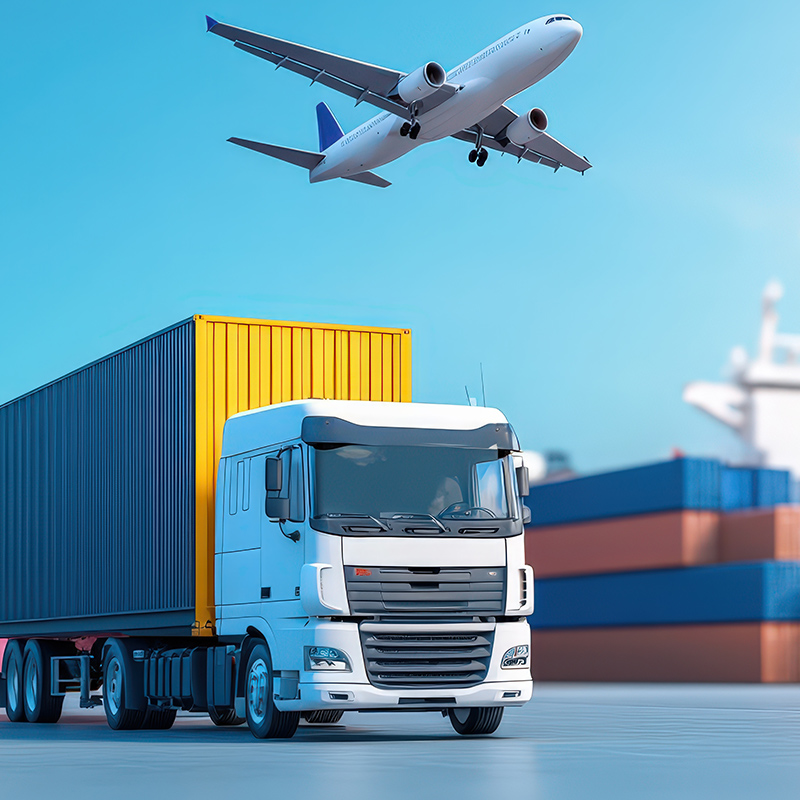 Air freight from China offers speed, but costs can vary significantly. Do you know what determines your final shipping bill? This guide explains air freight cost from China, including per-kilogram rates, chargeable weight, surcharges, and destination fees. Learn how to estimate costs and reduce shipping expenses.
