



Global trade is no longer an exclusive club for massive corporations. However, emerging brands often face a harsh operational reality. They quickly become entangled in hidden shipping fees and complex regulatory traps. Managing a fragmented network of local truckers, ocean carriers, and customs agents drains valuable time. Entrepreneurs should dedicate this energy to core product growth and market expansion. A reliable logistics partner acts as a strategic asset to eliminate these bottlenecks. Let us unpack the mechanics of modern supply chain management. We will detail exactly how end-to-end shipping solutions transform growing enterprises.
What is Door-to-Door International Logistics?
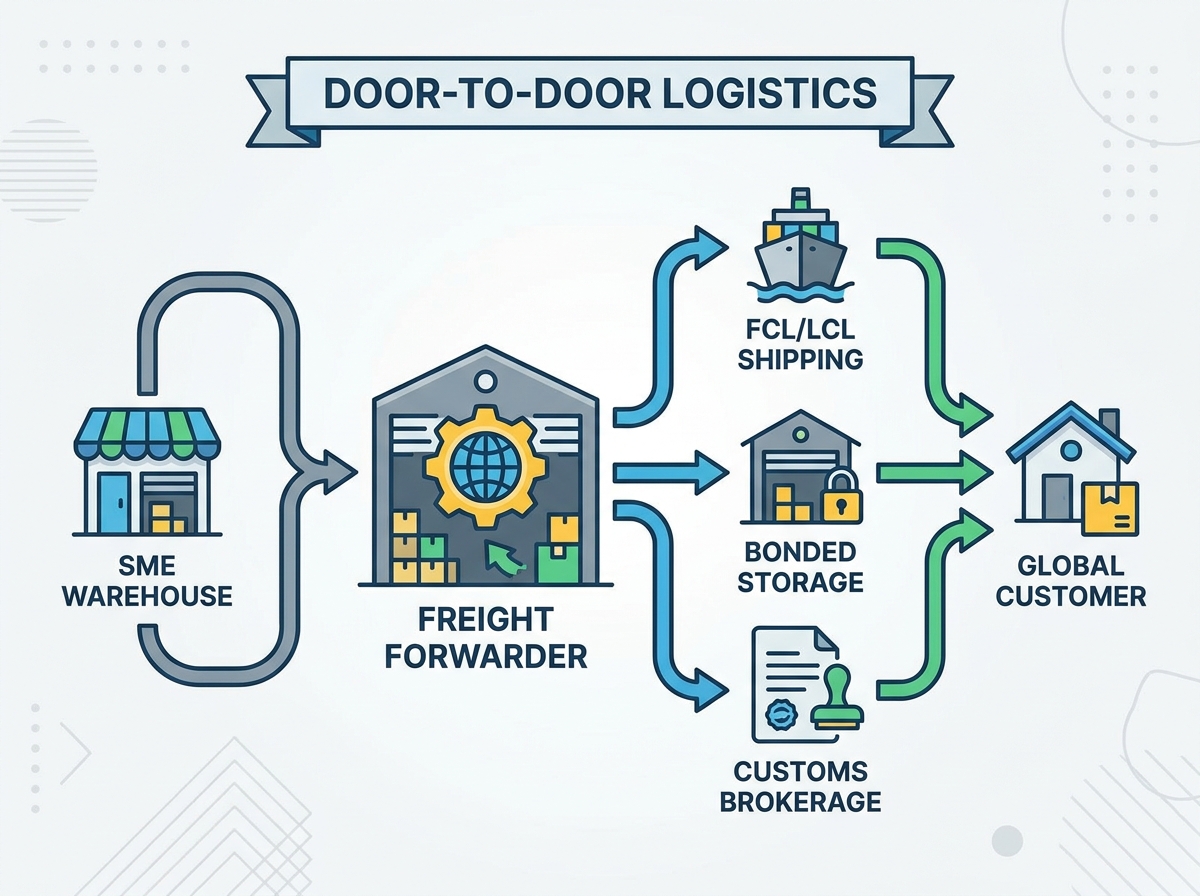
Think of your supply chain as a continuous pipeline. Every vendor handover point is a potential leak for your profit and time. In traditional shipping models, emerging brands must manage disparate segments of the journey independently. Door-to-door service changes this dynamic entirely. It is a comprehensive logistics solution where a single command hub oversees the physical movement of goods. The cargo flows uninterrupted from the supplier origin warehouse directly to the buyer final destination facility.
Specifically, this highly synchronized process includes origin pickup, export customs clearance, port terminal handling, main ocean or air transit, destination port handling, import border clearance, and the critical final mile delivery.
The Architect of Your Supply Chain
A professional forwarding agent acts as the centralized engineer of this entire operation. Rather than forcing a business owner to juggle separate communications with local trucking fleets, vessel operators, and regional customs agencies, the freight forwarder assumes full control. They seamlessly coordinate all moving parts. They negotiate competitive rates based on aggregated volume, secure cargo space, and rigorously manage the extensive documentation required for international compliance.
Door-to-Door vs. Port-to-Port
For growing enterprises lacking a dedicated internal logistics department, understanding the operational differences between shipping models is critical for smart resource allocation.
| Feature | Door-to-Door Logistics | Port-to-Port Logistics |
|---|---|---|
| Scope of Service | Supplier warehouse directly to final destination. | Origin port to destination port only. |
| Vendor Management | Single point of contact via the freight forwarder. | Multiple contracts required for truckers and brokers. |
| Customs Clearance | Included and proactively managed by the forwarder. | Must be arranged entirely independently by the buyer. |
| Cost Predictability | High; all-inclusive upfront quoting prevents surprises. | Low; highly subject to hidden terminal and drayage fees. |
| Business Suitability | Highly recommended for resource efficiency and risk control. | Better suited for massive enterprises with internal logistics teams. |
Why Specialized International Freight Forwarding is a Game-Changer
Historically, global commerce heavily favored massive conglomerates. These giants could leverage immense cargo volumes to secure rock-bottom shipping rates. Today, tailored international freight forwarding for SMEs effectively levels the global playing field. It grants smaller brands direct access to premium routing networks previously reserved for Fortune 500 companies.
Recent market evaluations highlight a massive structural shift in cross-border trade. Supply chain resilience is now the top priority for modern enterprises. Geopolitical shifts, unpredictable port congestions, and fluctuating capacity force companies to abandon fragmented logistics. Instead, mid-sized brands are rapidly pivoting to unified, single-source platforms. This transition ensures cargo can be dynamically rerouted during crises without the need to renegotiate multiple independent vendor contracts on the fly.
Leveling the Global Playing Field
Freight forwarders often operate as Non-Vessel Operating Common Carriers or logistics aggregators. By pooling the cargo volumes of hundreds of emerging brands, a forwarder negotiates tier-one carrier rates with major ocean and air freight lines. Consequently, smaller companies unlock volume discounts and secure guaranteed vessel space even during peak shipping seasons.
Time and Resource Savings
Time remains the most constrained resource for any entrepreneur. Managing a disjointed supply chain requires tracking vessels across time zones, verifying commercial invoices, and troubleshooting unpredictable port delays. By outsourcing these heavy operational burdens, internal teams can aggressively redirect their focus. They can concentrate on core revenue-generating activities such as product development, brand marketing, and sales growth.
FCL and LCL Shipping: A Practical Selection Guide
Choosing the appropriate container strategy is a foundational engineering decision. It directly impacts your profit margins, inventory turnover rates, and cargo safety. Understanding how to strategically utilize FCL and LCL shipping for small businesses is crucial for optimizing tight logistics budgets.
Full Container Load Dynamics
Full Container Load refers to a shipment where the buyer exclusively rents the entire space of a steel shipping container. A standard 20-foot general purpose container holds approximately 28 cubic meters of cargo. Because the container remains sealed from the supplier manufacturing floor all the way to your final destination, it offers enhanced security. It also provides faster transit times by bypassing intermediate consolidation hubs. This method is undeniably the most cost-effective option for high-volume inventory replenishment.
Less than Container Load Mechanics
In contrast, Less than Container Load is meticulously designed for shipments that simply do not require massive volume. Your cargo shares container space with goods belonging to other importers. You only pay for the specific volume your cartons occupy, measured in cubic meters. This makes it the perfect starting point for companies testing new product lines without committing to capital-draining inventory purchases.
The Volume Tipping Point
Determining the right mode requires a straightforward mathematical analysis of volume and weight. As a strict industry benchmark, if your shipment exceeds 15 cubic meters, upgrading to a dedicated 20-foot container often becomes more economical than paying accumulated shared volume rates. While shared containers save crucial capital on smaller volumes, they typically add a few days to the transit time due to necessary consolidation and deconsolidation processes at the port terminals.
Navigating Borders: The Value of Unified Customs Brokerage
Customs clearance is the most strictly regulated and intricate node in international trade. Imagine launching a highly anticipated product line. Suddenly, port authorities detain your inventory indefinitely due to a minor clerical error or an incorrect classification code. Every single day of delay incurs steep demurrage fees that eat directly into your hard-earned revenue.
Seamless Integration to Prevent Bottlenecks
To proactively mitigate these regulatory risks, utilizing a forwarding agent that seamlessly integrates in-house door-to-door customs brokerage services is a massive operational advantage. When transportation and border compliance are handled by separate entities, miscommunications are almost inevitable. This frequently leads to a frustrating blame game when delays strike. A unified service provider ensures flawless data transfer between the shipping department and the brokerage team.
Key Brokerage Safety Nets
Professional customs brokers provide several critical safety nets that protect emerging brands from compliance failures. Harmonized System codes dictate the exact tariff rates applied to imported goods. Brokers ensure precise classification, preventing businesses from illegally underpaying duties or unnecessarily bleeding cash through overpayment. Furthermore, experienced brokers routinely submit documentation to customs authorities while the cargo is still traversing the ocean. This allows goods to be pre-cleared, guaranteeing immediate release upon docking at the destination port.
Strategic Warehousing and Cash Flow Management
Scaling physical inventory across borders demands strategic infrastructure. Moving boxes from point A to point B is no longer sufficient. Combining bonded storage and international logistics provides your business with unprecedented financial flexibility.
The Mechanics of Bonded Storage
A bonded warehouse is a highly secure, government-regulated facility. Here, imported goods can be stored, manipulated, or undergo manufacturing operations without the immediate payment of customs duties and taxes. Legally, the goods are considered to be outside the commerce of the destination country until they are officially withdrawn for domestic consumption.
Transformative Cash Flow Benefits
Cash flow is the undisputed lifeblood of any growing enterprise. When utilizing standard warehousing, you are forced to pay all applicable import duties the moment your cargo crosses the border. For high-value shipments, these upfront costs severely deplete working capital long before a single product reaches an end consumer.
By leveraging bonded storage, you defer these significant tax payments. You only pay the tariffs when specific pallets are moved out of the facility for final domestic delivery. This powerful financial tool allows you to hold larger buffer inventories closer to target markets without tying up vital operational capital.
The Step-by-Step Execution Process
Understanding the mechanics of end-to-end logistics demystifies the supply chain. It helps business owners maintain realistic expectations regarding timelines. When you hire a capable partner, they orchestrate a highly synchronized sequence of events.
Step 1: Quoting and Space Booking
The process initiates with precise data gathering. You provide the exact dimensions, gross weight, commodity type, and pickup addresses. Based on this volumetric data, the forwarder advises on the most cost-effective routing and books the cargo space with the respective ocean or air carrier.
Step 2: Origin Pickup and Export Clearance
A local trucking partner is dispatched to collect the goods directly from the factory floor. The cargo is transported to the origin port terminal. Concurrently, local agents handle all export customs clearance, verifying that no export restrictions apply to your specific commodity.
Step 3: Main Transit Execution
This represents the longest geographical leg of the journey. The cargo is loaded onto the vessel or aircraft. Throughout this phase, a technology-driven partner provides real-time tracking updates. They monitor potential adverse weather conditions or port congestions to prepare necessary contingency plans.
Step 4: Import Customs Clearance
As the cargo approaches the destination port, the critical phase of border entry begins. By managing both the physical freight and the legal documentation, the forwarder ensures tariffs are calculated accurately. Pre-clearance protocols are executed smoothly to prevent costly border bottlenecks.
Step 5: Final Mile Delivery
Once customs authorities release the cargo, it is retrieved from the port. If it is a shared container shipment, it is first taken to a destination warehouse for deconsolidation. Finally, the goods are loaded onto a domestic truck and delivered directly to your specified destination. This could be a private retail storefront, a corporate warehouse, or a third-party fulfillment center.
How to Choose Your Logistics Partner
The barrier to entry for international trade has significantly lowered, but the complexity of compliance remains high. Selecting the right logistics partner directly impacts your profit margins. Evaluate potential partners based on these objective engineering criteria.
First, verify industry expertise. Ensure the forwarder has a proven track record handling your specific product categories along your required trade routes. Second, demand transparent pricing structures. Hidden fees are a notorious pain point. Request an itemized, all-inclusive quote that clearly delineates origin charges, main carriage costs, destination terminal handling, and estimated brokerage fees.
Third, prioritize technology. In a fast-paced market, manual email updates are insufficient. Look for partners offering cloud-based portals with real-time tracking and digital document storage. Finally, ensure dedicated customer support. When disruptions occur, you need immediate answers from an account manager who understands your business model, rather than a generic automated call center.
FAQ
What is the difference between a freight forwarder and a customs broker?
A freight forwarder is primarily responsible for the physical logistics and transportation of your cargo. They arrange the trucking, book the cargo space on ships or airplanes, and manage the routing. A customs broker specifically handles the legal clearing of goods through government customs agencies. They ensure taxes and duties are paid and compliance documents are filed correctly. Top-tier logistics partners employ licensed customs brokers in-house to offer a seamless, combined service.
How much does international door-to-door logistics cost?
Logistics costs are highly variable and depend on several objective factors. These include the total volumetric weight of the cargo, the distance between origin and destination, the mode of transport, and current global market rates. A comprehensive quote will include origin pickup fees, export clearance, the main freight charge, import customs brokerage fees, applicable duties, and final mile delivery costs. Always request updated quotes shortly before your goods are ready to ship.
Is shared container shipping safe for fragile goods?
Yes, shared container shipping is safe for fragile goods, provided the cargo is packaged to rigorous international export standards. Because this method involves sharing space, cargo is subjected to more handling during the consolidation phases. A reliable partner ensures your goods are properly palletized, shrink-wrapped, and secured within the container using dunnage to prevent shifting. Comprehensive cargo insurance is always strongly recommended for delicate items.
How long does a door-to-door international shipment take?
Transit times depend heavily on the chosen transport mode and the specific trade lane. Air freight is the fastest option, typically taking 3 to 10 days for a complete delivery, accounting for customs clearance on both ends. Ocean freight is highly cost-effective but slower, generally taking 20 to 45 days or more. External factors such as port congestion, customs inspections, and domestic trucking distances heavily influence these timeframes.
Can a freight forwarder help me ship directly to an Amazon FBA warehouse?
Absolutely. Modern forwarding agents specialize in e-commerce logistics and are intimately familiar with strict inbound shipping requirements. They manage the entire process from your overseas manufacturer directly to the fulfillment center. This includes ensuring goods are palletized according to dimensional restrictions, applying correct labels, and securing mandatory delivery appointment times.
What documents are mandatory for international door-to-door shipping?
Precise paperwork prevents costly border delays. The foundational documents required include a detailed Commercial Invoice, a comprehensive Packing List, a Bill of Lading or Air Waybill, and a Certificate of Origin. Depending on your specific commodity, additional regulatory documents such as safety certificates or fumigation declarations may be legally required by the destination country.
How do I track my door-to-door shipment in real-time?
Top-tier logistics providers utilize integrated cloud-based tracking systems linked directly to vessel GPS and port terminal data. Instead of relying on manual email updates, you are provided with a digital tracking portal or API integration. This grants you complete, transparent visibility over your cargo status from the moment of origin pickup all the way through to final mile delivery.
Ready to eliminate supply chain bottlenecks and protect your profit margins? Stop wasting valuable time managing fragmented vendors and unpredictable hidden costs. Optimize your global operations today by exploring the tailored, end-to-end shipping solutions at JFSZ Logistics. Select the specific freight forwarding, warehousing, or customs brokerage service that matches your exact cargo volume, and let the engineering experts handle the flawless execution of your supply chain.
Related Blogs
-
 Door to door shipping from China simplifies international logistics. But how can you ensure smooth delivery from factory to destination? Choosing the right shipping method, preparing documents, and understanding customs responsibilities are essential. This guide explains each shipping step, compares sea, air, and express services, and clarifies DDP and DAP terms. Learn how to arrange reliable deliveries and avoid unexpected costs.
-
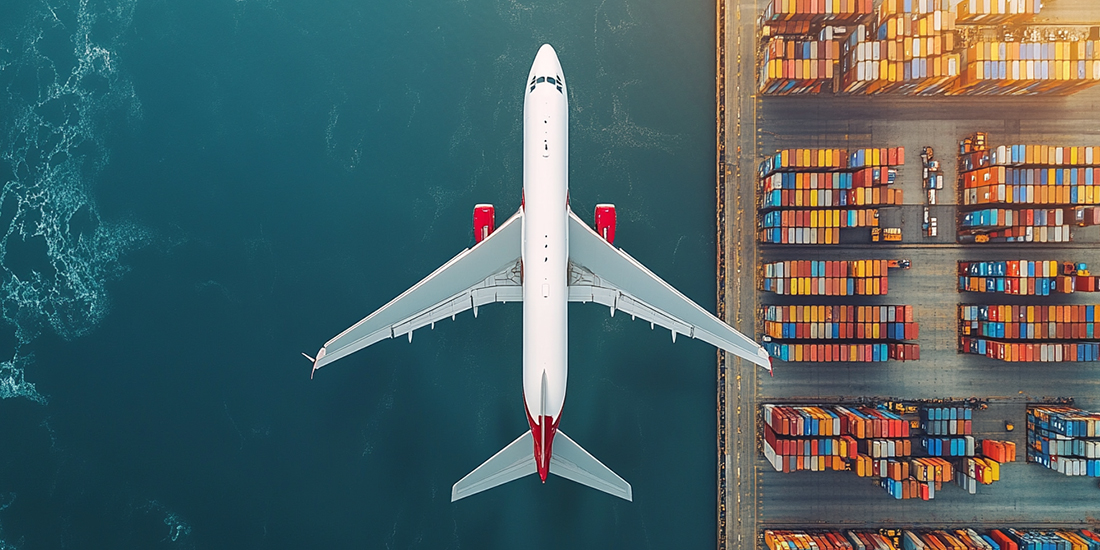 When production stops, every delivery day matters. Delayed components can disrupt schedules and customer commitments. Air freight from China offers a practical solution for urgent commercial shipments. However, choosing the right service requires careful planning. This guide compares standard, priority, and express shipping. You will also learn about flight schedules, customs clearance, and cargo preparation.
-
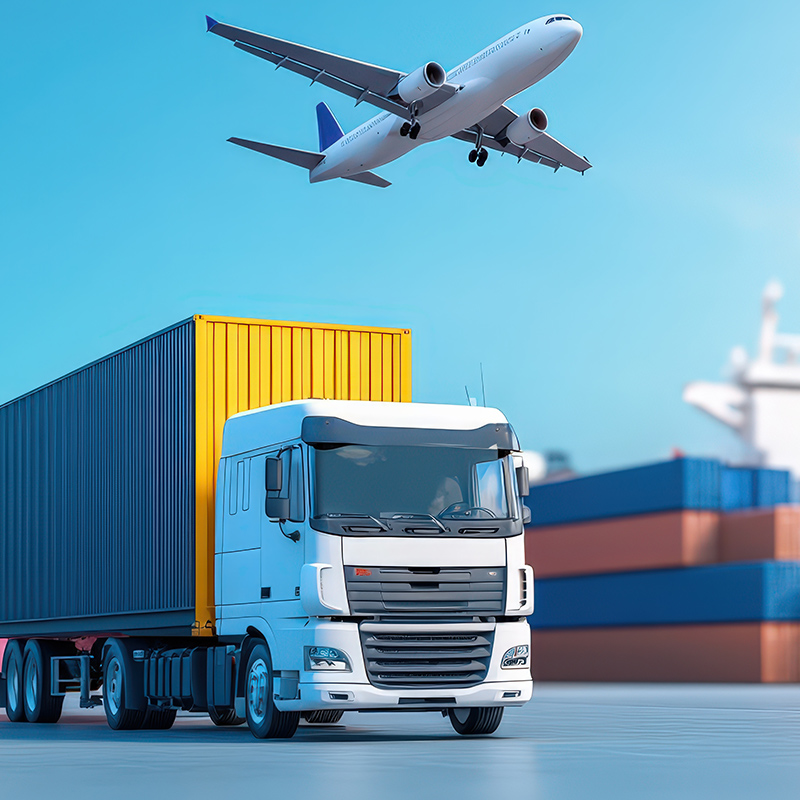 Air freight from China offers speed, but costs can vary significantly. Do you know what determines your final shipping bill? This guide explains air freight cost from China, including per-kilogram rates, chargeable weight, surcharges, and destination fees. Learn how to estimate costs and reduce shipping expenses.
