



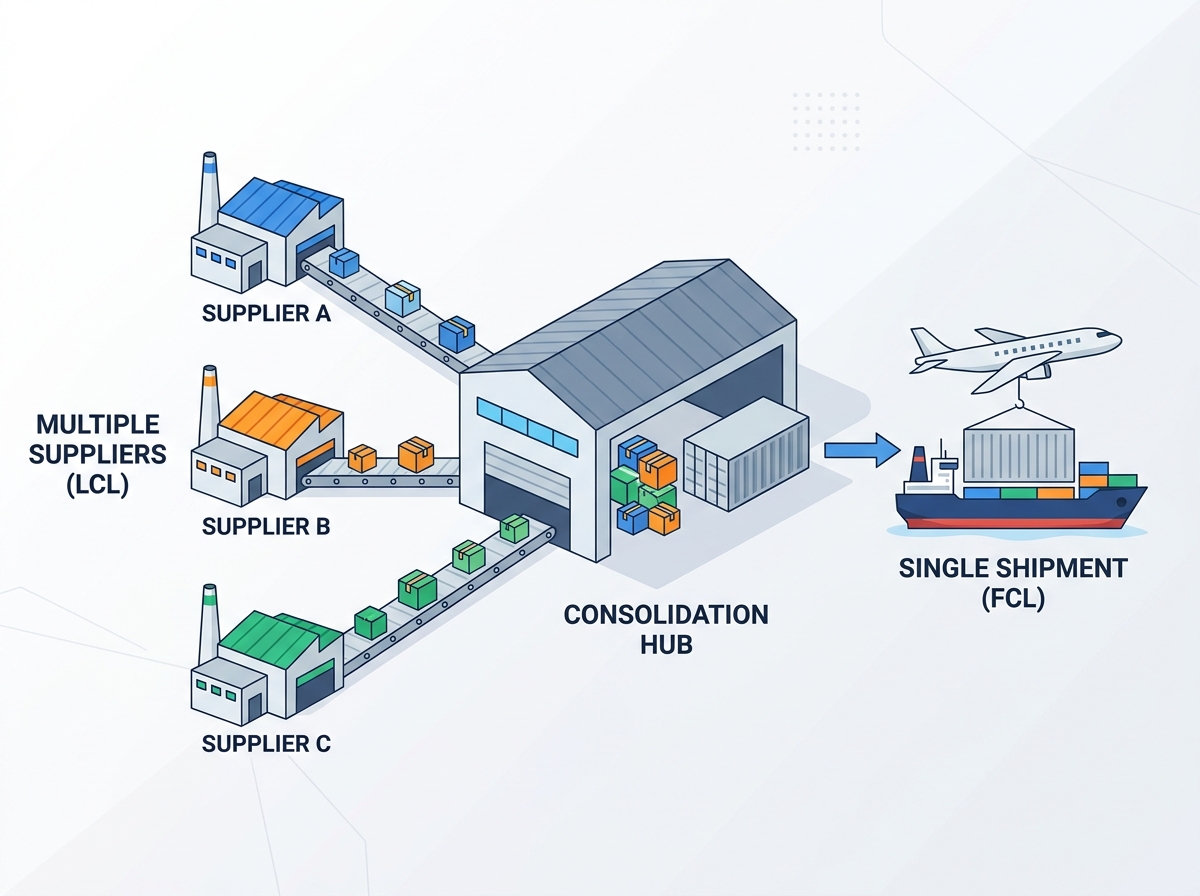
Sourcing from multiple Chinese manufacturers often creates fragmented logistics networks. Managing several Less than Container Load (LCL) shipments or numerous small parcels heavily drains your operational budget. It leads directly to compounded base transit fees. You constantly face overlapping destination customs charges. It also heightens the risk of severe supply chain delays across your catalog. Freight consolidation solves this complex problem. Often referred to as buyer's consolidation, it aggregates these distinct factory orders into one unified shipment. Most often, this process converts multiple costly LCLs into a single, cost-effective Full Container Load (FCL). This comprehensive guide provides you with a transparent, execution-focused framework. You will learn exactly how to evaluate consolidation logistics. We will show you how to effectively mitigate asymmetric supplier delays. Finally, you will discover how to select the right fulfillment partner to safeguard your inventory.
Key Takeaways
- Consolidating shipments reduces per-unit freight costs and minimizes redundant customs clearance fees.
- Success requires strict alignment of Incoterms (specifically EXW vs. FOB) across all participating suppliers.
- Selecting between transit modes relies on a rigid cost-to-urgency threshold analysis.
- Vetting a consolidation partner requires auditing their Service Level Agreements (SLAs) for hidden receiving, repacking, and storage fees.
The Financial and Strategic Logic of Cargo Consolidation
Cost Optimization Mechanics
Grouping cargo offers clear financial leverage. Let us analyze the shift from paying multiple LCL minimum origin charges. When you consolidate, you transition to a single FCL rate or a unified LCL rate. This shift instantly slashes redundant origin port fees. You avoid paying multiple Container Freight Station (CFS) handling fees. You also calculate a sharp reduction in destination port handling charges. Instead of processing five separate customs entries, you pay for one single-entry clearance. This streamlined paperwork strategy aggressively protects your profit margins. Fewer transactions mean fewer administrative bottlenecks.
Supply Chain Resilience
Consolidation centers act as crucial buffer zones for your inventory. They protect your supply chain against asymmetric supplier production delays. If one factory finishes early and another faces material shortages, the warehouse holds the ready goods securely. This buffer prevents premature shipments. Furthermore, consolidation significantly optimizes physical space. It eliminates the expensive "dead space" caused by unoptimized supplier packaging. Warehouse teams repackage loose boxes tightly into master cartons. They secure these cartons onto standardized pallets. You pay to ship actual product, not empty air. This space optimization directly impacts your bottom line.
Operational Framework: Aligning Multiple Manufacturers
Standardizing Incoterms
You must align purchasing terms across your vendor base. Misaligned terms cause immediate logistical chaos. We recommend standardizing on either EXW or FOB for clarity.
- EXW (Ex Works): The buyer coordinates domestic logistics entirely. You pay to move goods from various factories directly to the consolidation warehouse. This method grants you tight, granular control. You dictate the exact pickup schedule. It prevents suppliers from marking up local trucking costs.
- FOB (Free on Board): Suppliers must deliver goods to the specific consolidation warehouse. They bear the domestic transit costs and export clearance fees up to that point. You must coordinate this carefully. Suppliers might refuse to pay inland freight if your chosen warehouse sits far from their city.
Document Synchronization
Managing paperwork efficiently ensures seamless export compliance. You must consolidate multiple commercial invoices systematically. Gather all separate packing lists from each manufacturer. Combine them into a single, unified master manifest. You must also ensure harmonized system (HS) codes from different suppliers do not conflict. Conflicting HS codes easily trigger customs audits during unified export clearance. A skilled forwarder verifies these codes before the container ever reaches the port.
Managing the "Weakest Link" Risk
What happens when one supplier out of five faces a severe delay? You need strict, pre-defined protocols. You must constantly calculate warehouse holding fees against the cost of shipping a partial batch. If the delayed goods hold up a container for three weeks, storage fees might eclipse your freight savings. Set a firm cut-off date. Ship the available goods on time. Move the delayed goods seamlessly to the next shipment cycle. Never let one factory penalize your entire inventory schedule.
Compliance and Risk: Shipping Electronics Internationally
High-Value & Sensitive Cargo Profiling
Electronics require rigorous, uncompromising compliance checks. When you are shipping electronics internationally, consolidation facilities must meet specific security standards. Consolidation hubs must profile high-value and sensitive cargo carefully. For example, lithium-ion batteries require precise Material Safety Data Sheets (MSDS). They also require UN38.3 test reports. Without proper documentation, ocean and air carriers will outright reject the entire consolidated container. Your forwarder must pre-screen these documents during the receiving phase.
Specialized Handling Requirements
Electronic components remain highly susceptible to environmental damage. You must demand climate-controlled warehousing. This prevents moisture and condensation damage during the crucial holding period. Many top-tier warehouses also offer premium Value-Added Services (VAS). These include functional testing of devices. Staff can repack fragile components securely into anti-static bubble wrap. They also verify Intellectual Property (IP) protection, ensuring no counterfeit logos exist before goods leave China.
Segregation Rules
Strict segregation rules physically protect your cargo. Warehouse staff must ensure electronics are never consolidated in the same container as hazardous materials. You must also avoid shipping tech components alongside high-moisture goods. Combining sensitive circuit boards with damp agricultural products or certain raw textiles invites catastrophic condensation damage. Always audit your forwarder's stowage guidelines. Demand clear photographic evidence of how they load the container.
Post-Consolidation Routing: Air vs Sea Freight
Decision Thresholds
After aggregating your goods, you must decide how they travel. Establishing a quantitative decision matrix helps you dispatch the consolidated batch efficiently. You base this matrix on total volume (CBM), gross weight, and overall cargo value. You must evaluate air vs sea freight options meticulously. High-density, low-value items skew heavily toward ocean transit. Low-density, high-value components justify premium transport methods.
Table 1: Freight Transit Mode Comparison Chart
| Transit Mode | Ideal Volume Threshold | Cost Efficiency Strategy | Typical Transit Time (China to US/EU) |
|---|---|---|---|
| Sea Freight (LCL) | 1 CBM to 14 CBM | Maximizes savings for moderate volumes not filling a full container. | 25 to 40 Days |
| Sea Freight (FCL) | 15 CBM and above | Offers the lowest per-unit cost for large consolidated batches. | 20 to 35 Days |
| Air Freight | Under 1 CBM or High Value | Prioritizes speed to market over base logistics costs. | 3 to 7 Days |
Evaluating the Options
Sea Freight acts as the default choice for consolidated goods exceeding 2-3 CBM. It maximizes the financial benefit of the entire consolidation process. However, sea freight requires longer, more rigid inventory planning cycles. You trade rapid speed for massive cost savings. Conversely, air transport remains viable for high-value density goods. You must calculate the exact break-even points where air freight or sea freight makes the most economic sense for a newly aggregated shipment. When goods have a high retail value, flying them protects your margins by reaching consumer markets faster.
Split Shipments (Hybrid Approach)
Sometimes, you require the best of both worlds. You can instruct the consolidation warehouse to logically separate a completed batch. Consider sending 20% of the goods via air for immediate stock replenishment. You then send the remaining 80% via sea to optimize your overall profit margins. This hybrid model cleverly mitigates stockouts. It keeps your flagship products available while protecting your logistics budget.
Vetting Consolidation Warehouses and Forwarders
SLA and Infrastructure Audits
Choosing the right logistical partner makes or breaks your strategy. Conduct strict Service Level Agreement (SLA) audits. Assess the facility's proximity to major export hubs like Shenzhen (Yantian), Ningbo, or Shanghai. Warehouses near these mega-ports minimize your final drayage trucking costs. You must also evaluate their Warehouse Management System (WMS) capabilities. Do they offer real-time photo verification? Can they provide instant API inventory tracking upon receiving supplier goods? Operational transparency prevents costly supplier disputes.
Identifying Hidden Fees (Red Flags)
Scrutinize the quotation carefully. Beware of "free consolidation" offers marketed online. These deals routinely embed steep markups in the final ocean or air freight rate. Always request transparent, line-item pricing. Look for these specific charges:
- Receiving fees per carton: The cost to unload and log goods from the domestic truck.
- Palletization fees: The cost of wooden or plastic pallets, plus shrink-wrapping labor.
- Daily storage fees: The penalty rate applied immediately after your free grace period ends.
- Repacking materials: The cost of new master cartons if supplier packaging fails inspection.
A clear, itemized SLA shields you from surprise invoices and holds the forwarder accountable.
Conclusion
Cargo consolidation transforms fragmented supply chains into streamlined, highly profitable operations. Prioritize consolidation partners that offer transparent WMS portals and fixed warehouse fee structures. Demand proven expertise in handling your specific product category, especially if you deal in sensitive electronics. Standardize your purchasing agreements by aligning Incoterms across your vendors. Enforce strict delay protocols to prevent one slow supplier from penalizing your entire shipment schedule. As a practical next step, initiate a trial consolidation today. Use a non-critical, low-volume shipment from two or three suppliers. Test the forwarder's communication response. Measure their receiving accuracy. Audit their invoicing transparency thoroughly before you scale up to massive FCL volumes.
FAQ
Q: What is the standard free storage period at a Chinese consolidation warehouse?
A: Most reputable Chinese consolidation warehouses offer a free grace period ranging from 14 to 30 days. This window allows ample time for multiple suppliers to deliver their goods. Once the free period expires, forwarders charge daily storage fees. These are usually calculated per cubic meter (CBM) or per pallet. Always confirm these daily rates in your SLA before sending cargo.
Q: Can an agent consolidate purchases from retail platforms like AliExpress or Taobao?
A: Yes, but you need a specific type of agent. B2B freight forwarders typically handle large commercial orders and factory shipments. For retail platforms like AliExpress or Taobao, you need a B2C buying agent or shopping agent. These specialized agents manage small parcels, consolidate individual retail boxes, and ship them internationally using express couriers rather than traditional heavy freight.
Q: Who is responsible for export customs clearance in a consolidated shipment?
A: In a buyer's consolidation, the freight forwarder usually acts as the central coordinator. They act as the single exporter of record. The forwarder combines the various commercial invoices and packing lists from all your suppliers into one master consolidated invoice. They then process a unified export clearance under this single master document, simplifying the customs procedure significantly.
Related Blogs
-
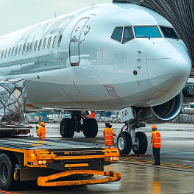 Door to door shipping from China simplifies international logistics. But how can you ensure smooth delivery from factory to destination? Choosing the right shipping method, preparing documents, and understanding customs responsibilities are essential. This guide explains each shipping step, compares sea, air, and express services, and clarifies DDP and DAP terms. Learn how to arrange reliable deliveries and avoid unexpected costs.
-
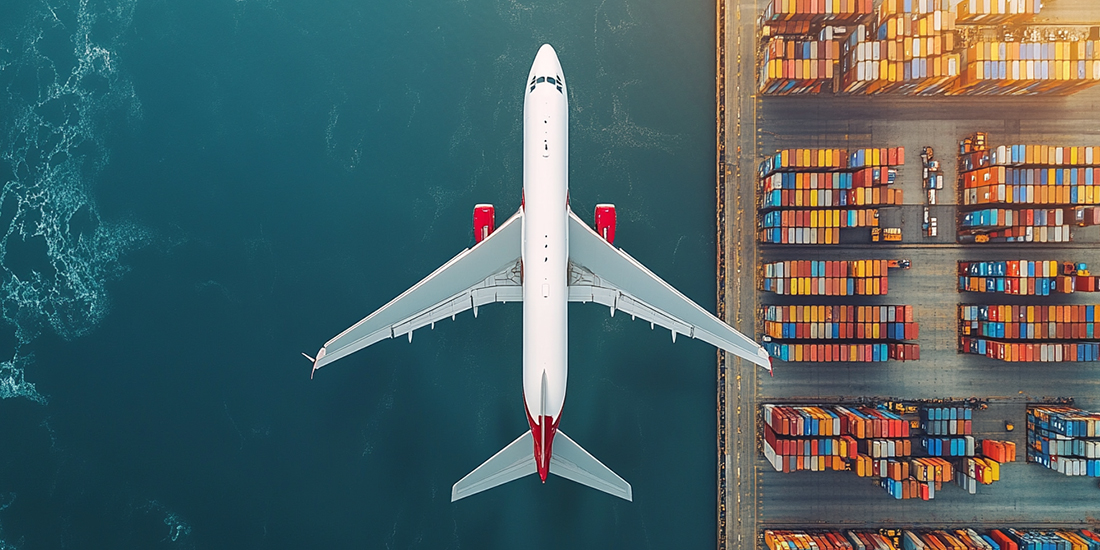 When production stops, every delivery day matters. Delayed components can disrupt schedules and customer commitments. Air freight from China offers a practical solution for urgent commercial shipments. However, choosing the right service requires careful planning. This guide compares standard, priority, and express shipping. You will also learn about flight schedules, customs clearance, and cargo preparation.
-
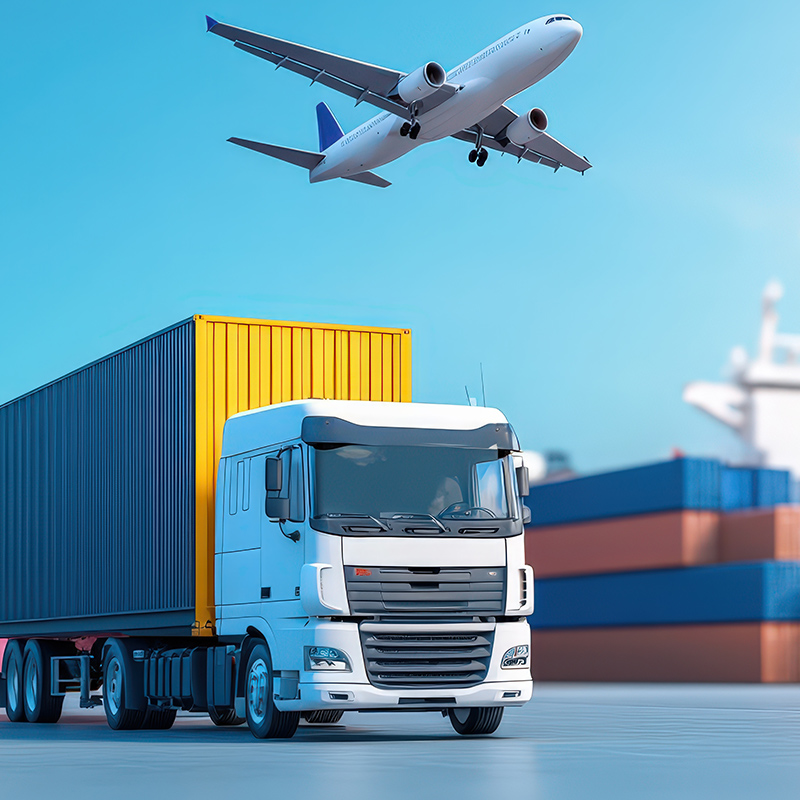 Air freight from China offers speed, but costs can vary significantly. Do you know what determines your final shipping bill? This guide explains air freight cost from China, including per-kilogram rates, chargeable weight, surcharges, and destination fees. Learn how to estimate costs and reduce shipping expenses.
