



Managing working capital is a constant battle for global importers. When high-value shipments arrive at the port, immediate customs clearance triggers massive tax liabilities. This upfront payment drains cash reserves long before the products are actually sold. Bonded storage provides a legal and highly effective buffer. By utilizing a secure zone regulated by customs authorities, businesses can physically hold goods within a destination country without immediately triggering tax obligations.
Recent shifts in global trade policies and fluctuating consumer demand have entirely reshaped inventory strategies. Supply chain managers are moving away from strict just-in-time models. Instead, they are building strategic buffers to mitigate shipping delays. This industry trend makes import duty deferral through bonded storage a critical financial instrument rather than just a physical space requirement. Companies can position stock close to end markets, maintaining agility while keeping capital liquid.
The Financial Mechanics of Duty Deferral
Understanding the exact financial impact requires looking at the cash conversion cycle. Traditional import models demand tax payments the moment cargo crosses the border. If your sales cycle takes three months, your capital remains locked in government coffers for that entire duration. Customs-controlled facilities flip this equation.
Specifically, you only pay taxes when items are officially withdrawn for domestic consumption. If a portion of the inventory is re-exported to another country, the local taxes are bypassed entirely. This precise control over tax timing directly improves liquidity. Businesses can allocate those retained funds toward marketing, product development, or operational expenses.
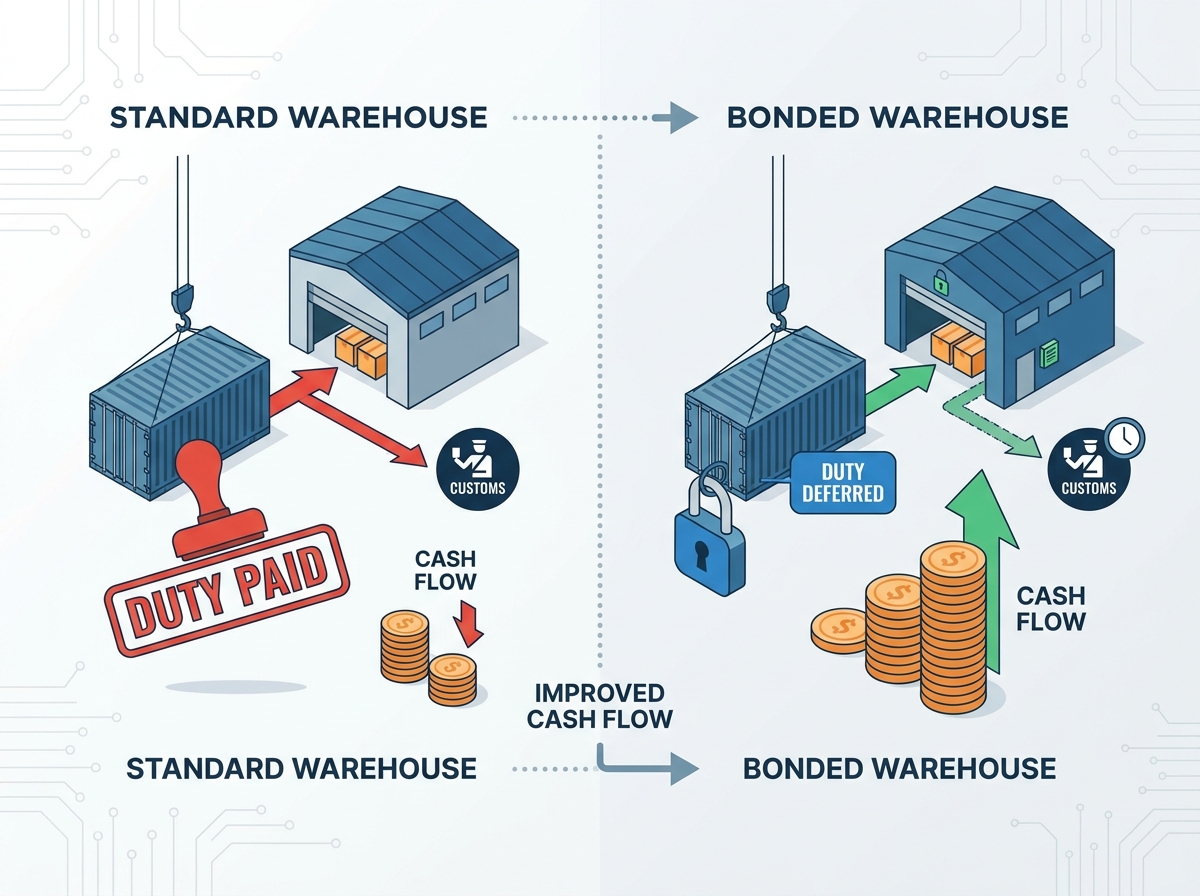
Traditional vs. Bonded Storage Analysis
To clearly illustrate the operational differences, we must compare the two primary storage models side by side. The following data points highlight why supply chain architects prefer regulated environments for international freight.
| Operational Metric | Traditional Warehouse | Customs-Controlled Facility |
|---|---|---|
| Tax Payment Timing | Immediate upon port arrival | Deferred until domestic dispatch |
| Cash Flow Impact | High upfront capital drain | Preserves working capital |
| Re-export Flexibility | Requires complex duty drawback claims | Zero local duties applied |
| Security Standards | Standard commercial security | Strict government compliance protocols |
In addition, maintaining compliance requires specialized infrastructure. Facilities must integrate advanced Warehouse Management Systems with government portals to ensure every SKU is accounted for accurately.
Real-World Specifications and Facility Capabilities
Not all storage spaces are created equal. A true customs-approved facility operates under stringent parameters. When evaluating a logistics partner, you need to look at their technical specifications. High-tier providers offer seamless warehousing and distribution services that include real-time tracking, barcode scanning, and automated inventory reconciliation.
For example, industrial-grade facilities feature 24-hour CCTV surveillance, climate-controlled zones for sensitive cargo, and dedicated consolidation areas. These parameters ensure that your bonded warehouse inventory storage remains secure while pending clearance. Furthermore, direct integration with multi-modal transport networks guarantees that once taxes are paid, goods can be dispatched to final destinations within hours.
How to Choose the Right Logistics Setup for Your Cargo
Selecting the optimal storage strategy requires analyzing your specific product lifecycle. Abstract logistics concepts must be translated into actionable selection criteria. Here is a practical framework to determine if a regulated environment fits your business model.
First, evaluate your product value and tariff rates. High-value electronics or luxury goods subject to steep tariffs benefit immensely from delayed payments. Second, analyze your sales distribution. If you import goods into a central hub but distribute them across multiple neighboring countries, avoiding double taxation is mandatory. Finally, consider your internal administrative capacity. Managing these processes internally is risky. Partnering with experts who provide customs brokerage for import tax planning ensures compliance while maximizing financial returns.
Frequently Asked Questions
How long can goods remain in a bonded facility without paying duties?
The maximum storage duration varies significantly by country and jurisdiction. In many regions, commercial cargo can be held for up to five years without triggering tax obligations. This extended timeframe allows importers to wait for favorable market conditions or currency exchange rates before releasing the goods into the domestic market.
Can I process or assemble products while they are in bonded storage?
Yes, specific types of customs-controlled zones permit light manufacturing, assembly, or repackaging. This allows businesses to import raw materials, assemble the final product, and only pay duties on the finished goods when they enter the local market. If the assembled product is exported, local manufacturing taxes are completely avoided.
What happens if my goods are damaged while stored under customs control?
If inventory is damaged or destroyed before customs clearance, importers can typically apply for a duty exemption. Because the goods never officially entered the domestic commerce stream, you are not liable for the taxes on the ruined items. Strict documentation and official inspections are required to process these claims successfully.
Optimize Your Supply Chain Today
Strategic inventory placement is no longer just about physical space. It is a calculated financial decision that directly impacts your profit margins. By deferring taxes, avoiding unnecessary tariffs on re-exports, and securing your cargo in compliant facilities, you gain a massive competitive advantage. Stop draining your cash reserves at the border. Evaluate your current shipping volumes and consult with industry professionals to implement a smarter logistics framework. Explore the comprehensive solutions at JFSZ Logistics to find the exact warehousing, freight forwarding, and customs brokerage services that match your operational demands.
Related Blogs
-
 Door to door shipping from China simplifies international logistics. But how can you ensure smooth delivery from factory to destination? Choosing the right shipping method, preparing documents, and understanding customs responsibilities are essential. This guide explains each shipping step, compares sea, air, and express services, and clarifies DDP and DAP terms. Learn how to arrange reliable deliveries and avoid unexpected costs.
-
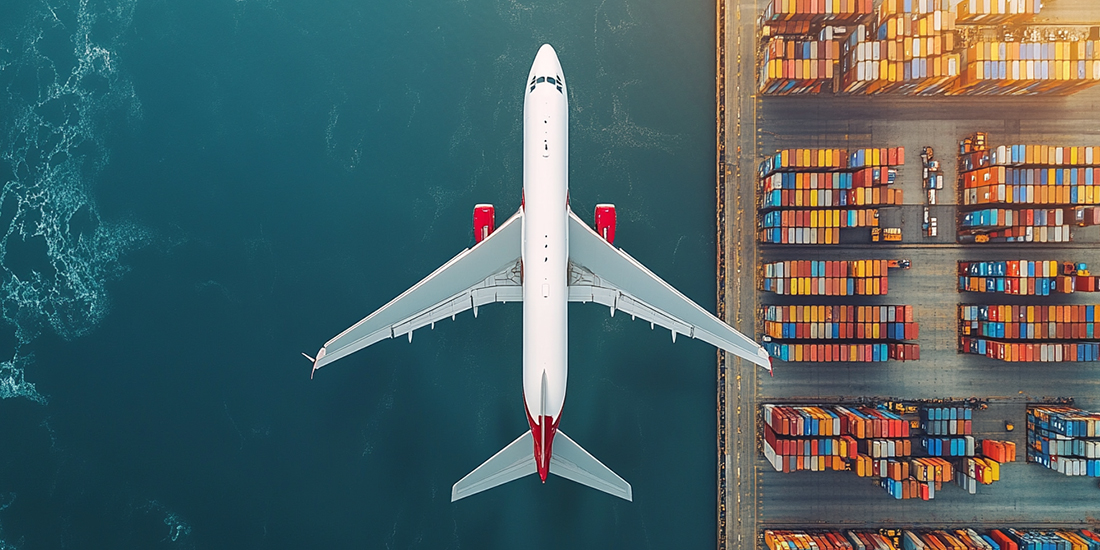 When production stops, every delivery day matters. Delayed components can disrupt schedules and customer commitments. Air freight from China offers a practical solution for urgent commercial shipments. However, choosing the right service requires careful planning. This guide compares standard, priority, and express shipping. You will also learn about flight schedules, customs clearance, and cargo preparation.
-
 Air freight from China offers speed, but costs can vary significantly. Do you know what determines your final shipping bill? This guide explains air freight cost from China, including per-kilogram rates, chargeable weight, surcharges, and destination fees. Learn how to estimate costs and reduce shipping expenses.
