



Imagine a highly anticipated commercial shipment finally arriving at the destination port. Your manufacturing line is on standby. Essential production schedules depend on these critical components. Suddenly, a notification hits your inbox. Border authorities have abruptly seized the cargo. The fallout? Substantial financial fines, severe supply chain paralysis, and damaged client relationships. In real-world logistics, this entire nightmare frequently stems from a single incorrect digit on the import paperwork.
The Harmonized System code serves as the foundational language of international trade. Regulatory bodies utilize this definitive metric to determine duty rates, verify product admissibility, and enforce strict legal compliance. Despite its critical importance, coding discrepancies remain one of the most common triggers for aggressive customs audits. Treating your customs documentation as a mere administrative afterthought is a massive operational vulnerability.
Precision dictates supply chain velocity. By shifting from a reactive approach to a proactive strategy, businesses transform import compliance from a constant financial hazard into a predictable advantage. Expert intervention ensures pinpoint accuracy. It protects delicate profit margins and maintains the seamless movement of global goods.
Key Takeaways
- Accuracy is Non-Negotiable: A minor numerical error leads to immediate shipment delays and cargo seizures. Border agencies can impose multi-million dollar penalties for recurring negligence.
- Strategic Cost Optimization: Proper classification goes far beyond preventing fines. It ensures businesses never overpay on tariffs and maximizes the financial benefits available through Free Trade Agreements.
- Audits are Evolving: Customs authorities worldwide increasingly utilize advanced data analytics. They automatically flag classification anomalies, making proactive compliance an absolute necessity.
- Expertise Matters: Relying solely on factory suppliers or automated software tools introduces massive risk. Professional brokerage provides the legal backing and technical precision required for modern international trade.
The Shifting Landscape of Global Trade Compliance
Before diving into the technicalities of tariff codes, we must understand the current regulatory environment. Global trade monitors observe a sharp pivot in customs enforcement tactics. Authorities worldwide no longer rely on random manual inspections. Instead, they deploy advanced machine learning algorithms and AI-driven data analytics. These systems scan millions of entries in real time.
This digital dragnet cross-references your declared codes against peer averages and historical data. Consequently, even a slight deviation automatically triggers an exhaustive audit. Furthermore, escalating geopolitical tensions and shifting trade policies mean tariff schedules update more frequently than ever. Relying on outdated databases or historical entry records is no longer just risky. It guarantees clearance failures.
What is Harmonized System Classification?
The Harmonized Commodity Description and Coding System is an internationally standardized framework. Administered by the World Customs Organization, it acts as the universal economic language for global commerce. Over 200 countries and economies utilize this structure as the bedrock for their specific customs tariffs.
The structure of this code is highly systematic and hierarchical. The first six digits are globally standardized across all participating member nations. For instance, the first two digits represent the broad chapter, such as Chapter 85 for Electrical Machinery. The next two narrow down the heading. The following two define the highly specific subheading. Beyond this core six-digit foundation, individual countries append localized extensions. These extra digits usually bring the total to eight or ten. They establish specific national duty rates, track precise statistical data, and enforce domestic trade policies.
Border protection agencies rely entirely on these codes to process incoming freight. The assigned number dictates the exact tariff rate applicable to the goods. It determines if the product is subject to restrictive trade quotas. It also flags whether punitive measures like anti-dumping or countervailing duties apply. Securing highly accurate HS code classification for customs clearance is the mandatory first step in legally importing goods into any sovereign nation. Without the correct identifier, the entire legal framework of the import transaction collapses.
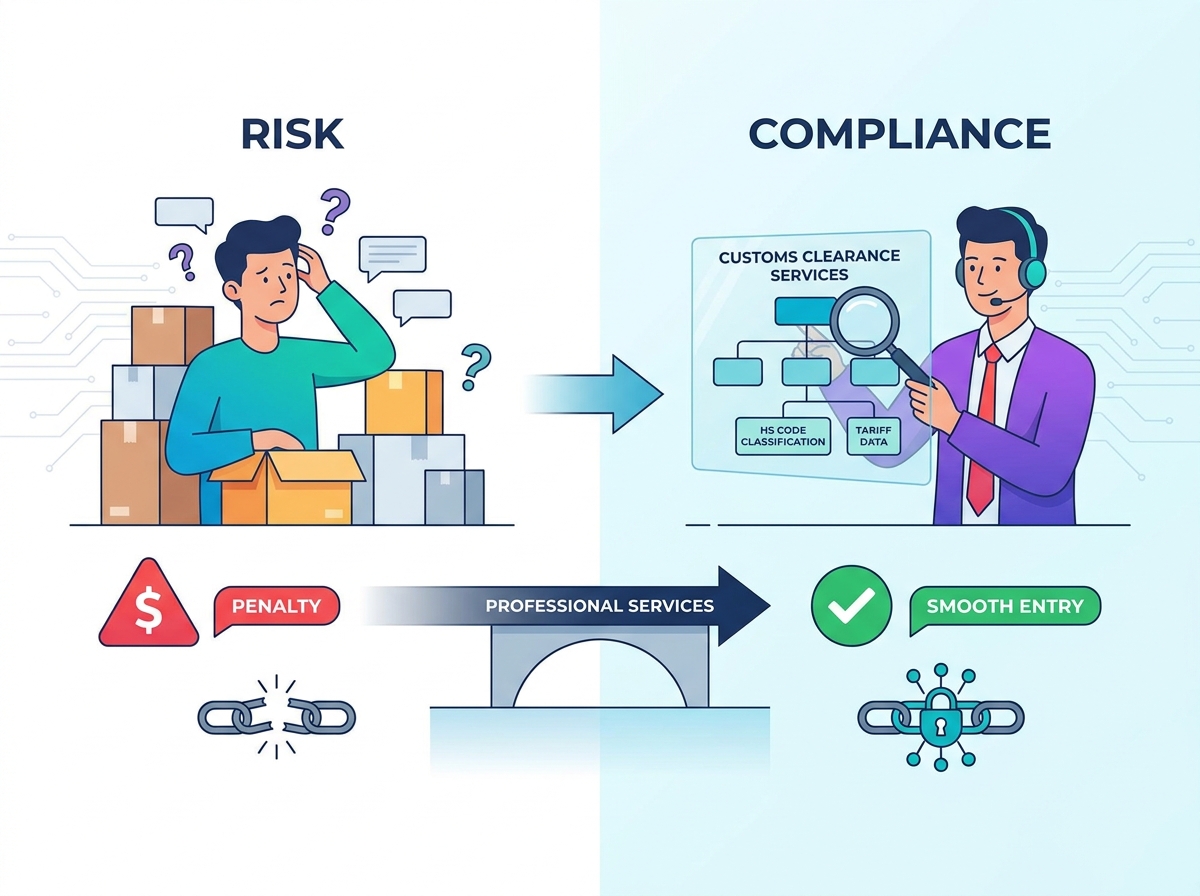
The High Cost of Classification Errors: Real-World Customs Penalties
The financial and operational consequences of misclassification are severe. Customs authorities operate under the legal presumption that the Importer of Record exercises reasonable care. Failing to classify goods correctly is viewed not merely as a typo. It is a direct breach of this legal duty.
One of the most insidious costs of classification errors is the silent drain on profit margins through tariff overpayments. Importers lacking deep regulatory knowledge often select a generalized code just to expedite shipping. However, this broad category might carry a duty rate of 15 percent. Meanwhile, the precise, legally accurate code for that specific engineered component might actually be duty-free. Because these overpayments are self-reported, authorities rarely flag them for correction. The business simply bleeds capital on every single shipment.
Conversely, using an incorrect code that results in underpaying duties triggers immediate punitive action. Authorities view systematic underpayment as negligence or outright customs fraud. When a shipment is flagged for misclassification, officers possess the authority to seize the cargo indefinitely. Penalties for negligence can equal a significant percentage of the domestic value of the merchandise. A single misclassified shipment often acts as a regulatory red flag, initiating a comprehensive audit of the company's entire five-year import history.
Common Classification Mistakes Importers Make
Despite the high stakes, businesses routinely fall into predictable classification traps. Recognizing these common pitfalls is the vital first step toward building a resilient compliance strategy.
A widespread yet highly risky practice is copying the code provided by the overseas manufacturer directly onto the commercial invoice. Suppliers typically assign codes based on their local export regulations to secure tax rebates. These codes frequently diverge from the destination country's strict import tariff schedule at the 8-to-10-digit level. Suppliers hold no legal responsibility for your import declaration. Blindly transferring their export code transfers all compliance risk directly onto your shoulders.
Furthermore, modern manufactured goods are incredibly complex. Classifying components, spare parts, and unassembled items requires a deep understanding of the General Rules of Interpretation. For example, an importer might classify a disassembled industrial pump as separate parts, incurring higher duties. However, legal frameworks dictate that an incomplete article having the essential character of the complete product must be classified under the finished product's code. Misinterpreting these legal nuances guarantees classification failure.
How Expert Brokerage Lowers Import Costs
Shifting the perspective from risk mitigation to cost optimization reveals the true value of professional compliance. Expert tariff classification customs brokerage does much more than keep businesses out of legal trouble. It actively identifies legal avenues to reduce landed costs.
A licensed customs broker possesses the technical expertise to analyze a product's material composition, end-use, and engineering specifications in minute detail. By cross-referencing this granular data with current tariff schedules and historical legal rulings, brokers engage in tariff engineering. They legally reclassify goods into alternative, more precise subheadings. This strategy often secures lower duty rates or qualifies shipments for specific statutory exemptions.
International Free Trade Agreements offer massive duty reductions, often bringing tariff rates down to absolute zero. Claiming these benefits requires flawless documentation. The primary requirement for eligibility is proving the rule of origin, which is intrinsically linked to the tariff code. If the classification is even slightly incorrect, the origin claim is instantly invalidated. Professional brokers ensure your classification perfectly aligns with origin requirements.
Core Comparison: DIY vs. Professional Compliance Strategy
To truly understand the operational impact, we must compare internal guesswork with professional brokerage execution. The differences in risk exposure and efficiency are staggering.
| Compliance Metric | In-House Procurement / DIY | Professional Customs Brokerage |
|---|---|---|
| Classification Accuracy | Relies on free keyword search tools; high error rate on complex machinery. | Utilizes General Rules of Interpretation and technical engineering data for 99%+ accuracy. |
| Tariff Engineering | Rarely performed. Usually accepts default, higher duty rates. | Actively analyzes material composition to legally secure lower duty subheadings. |
| Audit Defense | Lacks legal precedent knowledge; highly vulnerable during federal audits. | Maintains meticulous digital archives and provides full legal defense during agency reviews. |
| Processing Velocity | Prone to border holds due to documentation discrepancies. | Seamless electronic data interchange ensures rapid, 24/7 clearance without friction. |
The Role of Risk Assessment in Future-Proofing Compliance
As global trade regulations become increasingly strict, maintaining a reactive compliance model is a significant liability. To survive and thrive, importers must adopt forward-looking strategies. Traditional import strategies usually deal with classification issues only after a shipment is flagged at the border.
In contrast, executing a robust import declaration risk assessment shifts the paradigm toward proactive auditing. Rather than waiting for customs to find an error, businesses conduct comprehensive reviews of their product catalogs internally prior to shipping. This involves mapping every SKU to its correct code, verifying the supporting technical documentation, and calculating exact duty exposures before finalizing any purchase orders.
An ongoing risk assessment strategy ensures that a company’s supply chain remains insulated against sudden geopolitical tariff shifts. By maintaining a highly accurate, continuously updated classification database, businesses can instantly pivot their sourcing strategies based on real-time tariff data.
Why Outsourced Compliance Services are Essential
Many mid-sized enterprises attempt to manage classification internally to reduce upfront operational costs. They frequently delegate the task to general procurement staff. This approach is fundamentally flawed and highly dangerous. Internal logistics coordinators, while highly skilled in freight movement, rarely possess the specialized legal training required to defend a classification decision during a federal audit.
Outsourcing to a dedicated provider of customs clearance compliance services grants your organization immediate access to a team of licensed experts. These professionals do not merely assign random numbers. They build defensible compliance records. They monitor daily tariff updates and possess the engineering literacy required to classify highly technical goods. Partnering with external experts ensures that every import declaration is legally sound, financially optimized, and fully defensible.
Achieving Seamless International Logistics
Accurate classification is not a guessing game. It is a strict legal requirement that dictates the financial health and operational stability of your import business. Avoiding devastating penalties, preventing border delays, and optimizing duty payouts all start with perfectly accurate data.
Stop risking your company's profit margins on simple paperwork errors and outdated compliance models. Navigating the labyrinth of international trade requires a partner who prioritizes precision. Protect your supply chain by leveraging professional expertise. Explore comprehensive customs brokerage and compliance solutions at JFSZ Logistics to ensure your next international shipment crosses the border flawlessly, legally, and without delay.
FAQ
Who is legally responsible for correct classification?
The Importer of Record is ultimately legally responsible for the accuracy of the customs declaration. Even if an overseas supplier or freight forwarder provided the code on the commercial invoice, the legal and financial liability rests entirely on the importer. Partnering with specialized compliance experts is highly recommended to shield your business from liability.
How do customs authorities detect misclassification?
Customs agencies no longer rely solely on manual inspections. They utilize advanced AI and machine learning algorithms to scan electronic import declarations in real time. These systems cross-reference your submitted codes against historical data, peer industry averages, and pricing metrics. Any statistical anomaly automatically flags the shipment for intensive review or a comprehensive audit.
Can I amend an incorrect code after customs clearance?
Yes, but time is of the essence. Importers can typically file a Post-Summary Correction or a prior disclosure to amend an entry if they discover an error after the goods have cleared. Voluntarily reporting and correcting the mistake before customs initiates an audit significantly reduces or entirely eliminates potential punitive fines.
Can a customs broker actually lower my import duties?
Absolutely. Through a process known as tariff engineering and precise classification analysis, a licensed broker identifies legally compliant alternative codes that carry lower duty rates. Furthermore, accurate classification ensures your goods properly qualify for zero-tariff benefits under international Free Trade Agreements, directly improving your bottom line.
How often do tariff codes change?
The World Customs Organization updates the core 6-digit codes globally every five years to accommodate new technologies and trade patterns. However, individual countries update their 8-to-10-digit national tariff schedules annually, or even quarterly. These frequent updates reflect changing domestic trade policies, geopolitical sanctions, and economic protections.
Related Blogs
-
 Door to door shipping from China simplifies international logistics. But how can you ensure smooth delivery from factory to destination? Choosing the right shipping method, preparing documents, and understanding customs responsibilities are essential. This guide explains each shipping step, compares sea, air, and express services, and clarifies DDP and DAP terms. Learn how to arrange reliable deliveries and avoid unexpected costs.
-
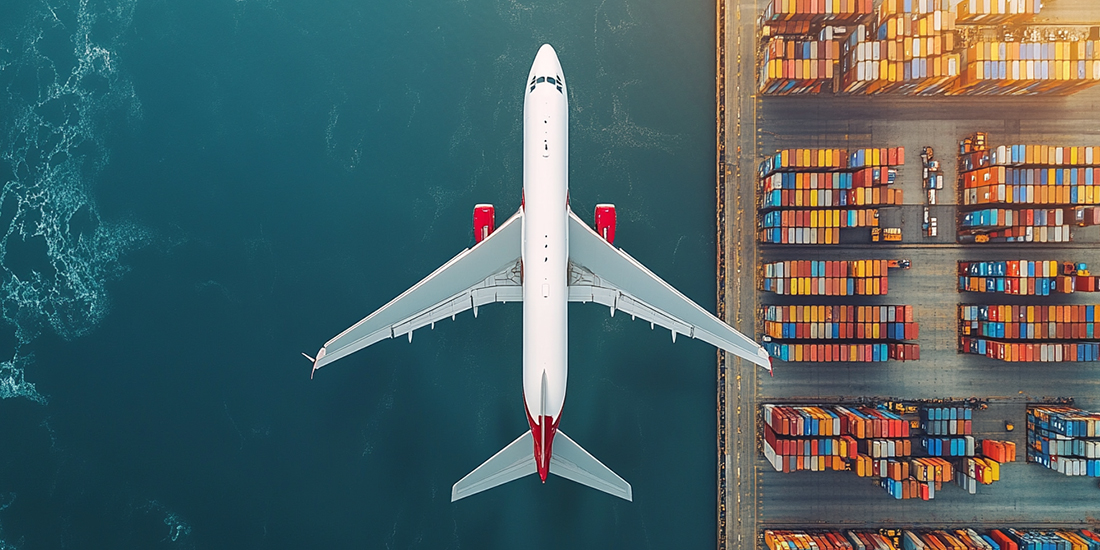 When production stops, every delivery day matters. Delayed components can disrupt schedules and customer commitments. Air freight from China offers a practical solution for urgent commercial shipments. However, choosing the right service requires careful planning. This guide compares standard, priority, and express shipping. You will also learn about flight schedules, customs clearance, and cargo preparation.
-
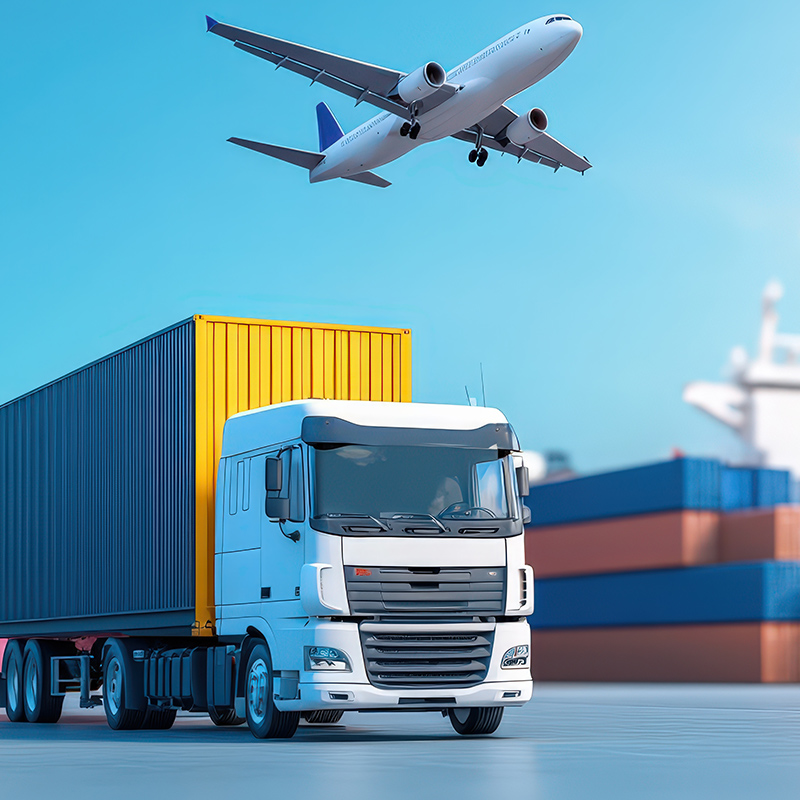 Air freight from China offers speed, but costs can vary significantly. Do you know what determines your final shipping bill? This guide explains air freight cost from China, including per-kilogram rates, chargeable weight, surcharges, and destination fees. Learn how to estimate costs and reduce shipping expenses.
