



Apparel dominates the global e-commerce landscape. However, pushing your brand into new international markets usually triggers a massive logistical headache. Skyrocketing shipping costs and sudden customs delays destroy the customer experience. Bonded warehousing solves these exact bottlenecks. It offers a localized, strategic approach to international order fulfillment. We will break down how this duty-deferred framework operates, the tangible financial benefits, and the exact metrics to look for when selecting a logistics partner.
What is Bonded Fulfillment in Cross-Border E-Commerce?
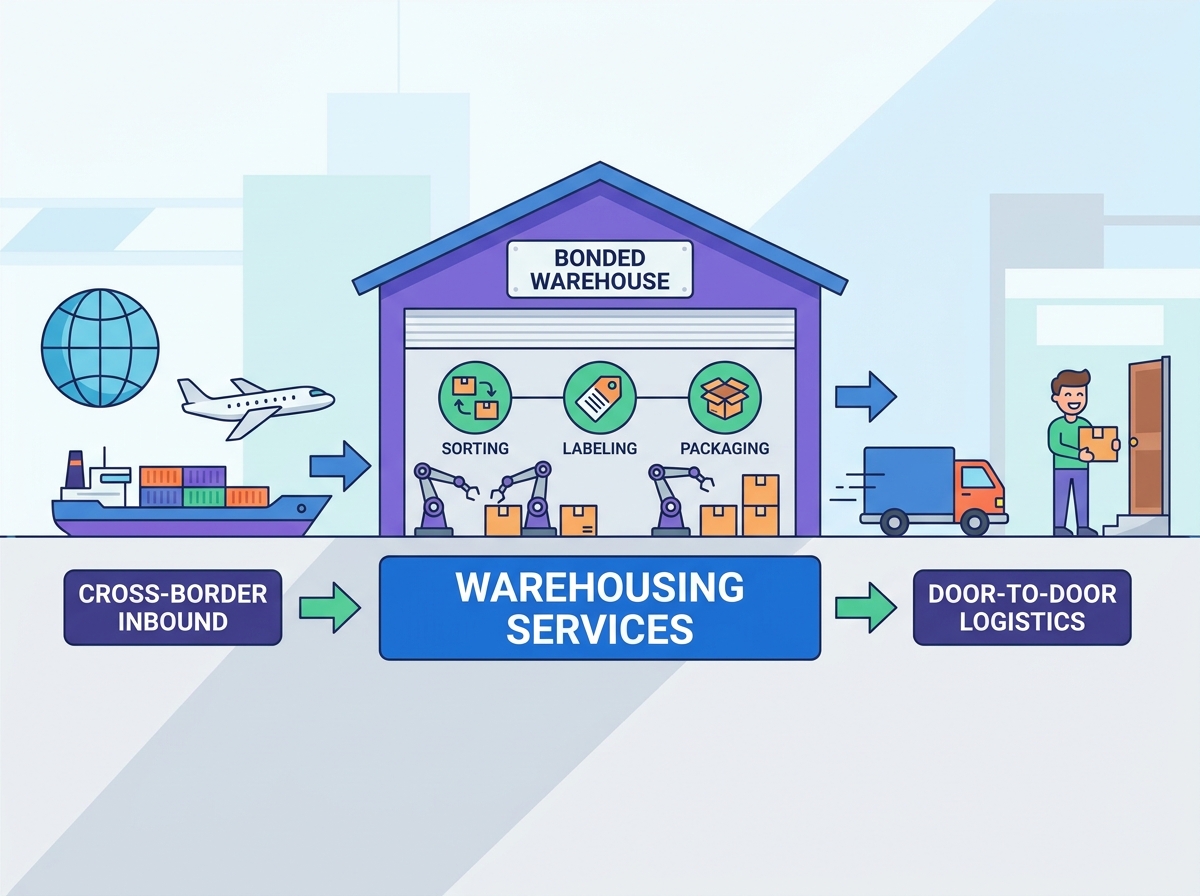
Standard international shipping drains cash flow for retail brands scaling globally. Bonded fulfillment provides a smarter workaround. A bonded warehouse is a highly secure, customs-regulated zone. You can store, manage, and process imported garments inside these facilities without paying immediate import duties.
In a conventional cross-border setup, inventory ships directly from the origin country to the buyer. This outdated method guarantees slow transit times and unpredictable border holds. Bonded fulfillment flips this script by operating on a localized, duty-deferred framework.
Recent supply chain data reveals a massive shift in how apparel brands handle global expansion. Western markets are tightening scrutiny on low-value tax exemptions, while ocean freight rates continue to fluctuate wildly. Relying on direct-to-consumer factory shipments is now incredibly risky. Forward-thinking retailers are aggressively moving bulk inventory to near-market bonded hubs. This strategy protects margins against sudden tariff spikes. It also enables hyper-fast delivery by swapping carbon-heavy air parcels for consolidated ocean freight.
The operational workflow makes perfect sense. You ship bulk inventory from the factory to a bonded facility near your target market. The garments sit completely duty-free. When a customer buys a shirt online, the warehouse picks, packs, and clears that specific item as a single business-to-consumer parcel. Because it ships directly to an individual, it frequently qualifies for tax-free thresholds. A local courier then handles the final mile, making the delivery feel like a domestic purchase.
The Unique Challenges of Fashion and Retail Warehousing and Distribution
Apparel logistics is completely different from moving electronics or homeware. You need specialized infrastructure to stop inventory shrinkage and costly order errors.
The biggest nightmare is SKU proliferation. One graphic tee in five colors and six sizes instantly creates 30 unique SKUs. Multiply that across a fall collection, and standard spreadsheets fail. To stop catastrophic mispicks, brands rely on expert retail warehousing and distribution systems. These advanced setups utilize automated barcode scanning and dynamic bin allocation to maintain inventory accuracy rates exceeding 99.9 percent.
Furthermore, the fashion industry thrives on fast-moving micro-trends. Retailers routinely face explosive demand spikes during Black Friday or limited-edition drops. Your warehousing infrastructure must possess the agility to handle a massive surge in order volume without dropping fulfillment speed.
Fashion also deals with brutal return rates, often hitting 20 percent or more. Customers treat their bedrooms like fitting rooms. A robust reverse logistics pipeline is non-negotiable. Warehouse teams must quickly receive, inspect, steam, and restock returned garments before the season ends.
Value-Added Services: Warehouse Sorting Labeling and Packaging
The unboxing moment dictates brand perception. A silk dress arriving wrinkled in a cheap box ruins the premium feel instantly. Professional fulfillment centers deploy specialized value-added services to keep garments showroom-ready.
Quality control happens the moment goods arrive. Warehouse teams hunt for loose threads, fabric defects, and sizing errors. Localization is equally critical. Different countries demand specific textile compliance. Utilizing expert warehouse sorting labeling and packaging ensures your stock meets local laws. Teams attach regional care labels and apply specific retail barcodes for seamless omnichannel sales.
Premium packaging matters just as much. Top-tier facilities execute precise garment folding, moisture-resistant polybagging, and custom tissue wrapping. Many modern logistics partners also integrate eco-friendly compostable mailers to align with consumer sustainability demands.
Financial and Operational Benefits of Bonded Consumer Goods Inventory Distribution
Switching to a bonded strategy completely changes your balance sheet. The biggest win is profound cash flow optimization.
Shipping a 40-foot container of winter coats normally means paying massive duties upfront. That capital gets trapped in unsold stock sitting on shelves. By utilizing bonded consumer goods inventory distribution, you legally defer those taxes. Your cash stays fluid to fund marketing campaigns or product design. You only pay taxes when a verified sale happens and the item leaves the customs zone.
Strategic inventory placement provides another massive operational advantage. Placing inventory in hubs like Hong Kong or specific European free-trade zones lets you serve multiple neighboring countries from one centralized node. You completely avoid setting up physical corporate entities in every target nation.
In addition, bonded warehousing acts as a legal shield against volatile trade policies. Storing goods in a customs-controlled zone ensures your inventory avoids sudden tax hikes. You retain the flexibility to reroute stock to alternative markets if local tariff structures suddenly become unfavorable.
From Dock to Doorstep: Cross-border E-commerce Door-to-door Logistics
Fragmented supply chains cause data silos, lost boxes, and delayed shipments. Relying on a patchwork of different vendors for freight, storage, and delivery is a recipe for disaster. You need end-to-end control.
An integrated approach maps the exact journey from the factory dock to the buyer's house. Bulk goods move via ocean freight to the destination bonded warehouse. Once an online order drops, the facility packs it instantly.
The real magic of cross-border e-commerce door-to-door logistics is bypassing customs bottlenecks. Advanced providers use API-driven electronic clearance systems. Data transmits directly to customs authorities while the package is still moving, ensuring instant border release.
Local carriers then take over the final leg. Top-tier logistics partners integrate directly with reliable domestic couriers. This seamless handoff provides the exact same tracking visibility and speed a domestic buyer expects, drastically dropping customer service complaints.
How to Choose the Right Fulfillment Provider for Fashion E-commerce
Picking a logistics partner dictates your global success. Generic warehouses fail at fashion. You must evaluate partners using strict engineering and operational standards rather than flashy marketing claims.
| Evaluation Metric | Standard Warehousing | Advanced Bonded Fulfillment |
|---|---|---|
| Tax Liability | Paid immediately upon port entry | Deferred until final consumer purchase |
| Transit Speed | 7 to 15 days via international parcel | 2 to 3 days via localized dispatch |
| SKU Handling | Basic pallet-in, pallet-out | Dynamic bin allocation, API tracking |
| Customs Clearance | Manual checks, high delay risk | Pre-cleared electronic API data |
Assessing Apparel-Specific Infrastructure
Standard pallet storage destroys delicate clothing. Look for specialized setups like Garment-on-Hanger storage to prevent fabric damage. The facility must maintain strict humidity controls. Most importantly, the warehouse management system must support high-velocity piece-picking with an accuracy rate exceeding 99.5 percent.
Evaluating the Bonded Footprint
A logistics provider is only as good as its geographic network. Demand a detailed map of their bonded hubs. The goal is to place bulk stock as close to the final buyer as legally possible. This strategic positioning cuts final-mile transit times down to just two or three days.
Analyzing Pricing Transparency
Hidden unloading fees or seasonal storage penalties destroy profit margins. Demand comprehensive, itemized cost structures before signing any service level agreement. Ensure there are no undisclosed fuel surcharges lurking in the fine print.
Reviewing Reverse Logistics
Stranded returns equal dead capital. Your chosen partner must offer localized return addresses to eliminate international shipping friction for the buyer. They must execute a predefined grading protocol to rapidly inspect, steam, and reintegrate returned items back into active sales channels.
Conclusion
Bonded fulfillment cuts the most painful knots in global e-commerce. Deferring taxes and localizing inventory speeds up delivery and protects your working capital. An optimized supply chain is a massive competitive weapon in today's retail environment. Stop letting logistics choke your global growth. Evaluate your current setup, match your specific SKU and volume needs with dedicated logistics experts, and upgrade your cross-border strategy today. Explore comprehensive fulfillment solutions to scale your brand with absolute confidence.
FAQ
What is the difference between standard and bonded Warehousing Services?
The main difference comes down to customs authorities and cash flow. In a standard warehouse, you pay all import duties and taxes the moment goods enter the country. Bonded warehouses are secure zones regulated by customs where you can store imported goods indefinitely without paying immediate duties. You only pay the tax when a consumer buys the item and it leaves for final delivery.
How does bonded fulfillment specifically benefit fashion and retail brands?
Fashion deals with massive SKU counts and extreme seasonal demand. Bonded fulfillment lets brands bulk-ship winter coats or summer dresses to international hubs via cheap ocean freight months in advance. Because duties are deferred, you do not trap capital in unsold stock. Fulfilling orders locally also provides domestic-level delivery speeds, which drives higher online conversion rates.
What exactly is included in warehouse sorting labeling and packaging?
These are critical quality assurance steps. Fulfillment teams sort bulk factory arrivals by style, color, and size. They inspect garments for manufacturing flaws. Labeling involves attaching region-specific compliance tags and retail barcodes. Packaging prepares the item for the buyer, utilizing precise folding, protective tissue paper, and custom-branded mailer boxes.
How are returns handled in cross-border e-commerce door-to-door logistics?
A streamlined reverse logistics setup prevents financial losses. The logistics provider gives the customer a local return label, avoiding expensive international return shipping. Warehouse technicians inspect the returned garment based on your strict criteria. If it passes, they steam it, fold it, apply new tags, and instantly restock it for resale.
Is consumer goods inventory distribution faster using a bonded warehouse?
Absolutely. Traditional direct-to-consumer international shipping subjects every single parcel to long transit times and border delays. With bonded fulfillment, your bulk inventory is already sitting inside the destination country. When an order drops, the item clears customs electronically and hands off to a local courier, cutting delivery times to just a few days.
How does the de minimis threshold impact bonded warehousing?
The de minimis threshold is the value below which imported goods are exempt from duties. Many countries are currently lowering these thresholds to protect local retail. Bonded warehousing acts as a strategic buffer. By clearing goods individually from a local bonded zone directly to the consumer, brands can often still legally qualify for these exemptions, whereas bulk clearing standard inventory would trigger massive tax bills.
Can bonded warehouses handle high-volume seasonal peaks like Black Friday?
Yes, advanced bonded facilities are engineered specifically for high-velocity throughput. They utilize dynamic labor scaling and automated conveyor sorting to handle massive order surges. Because the inventory is already positioned locally and duties are processed individually via API, these warehouses can process a 300 percent spike in volume without bottlenecking at the border.
Related Blogs
-
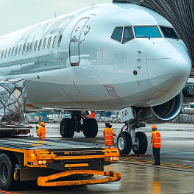 Door to door shipping from China simplifies international logistics. But how can you ensure smooth delivery from factory to destination? Choosing the right shipping method, preparing documents, and understanding customs responsibilities are essential. This guide explains each shipping step, compares sea, air, and express services, and clarifies DDP and DAP terms. Learn how to arrange reliable deliveries and avoid unexpected costs.
-
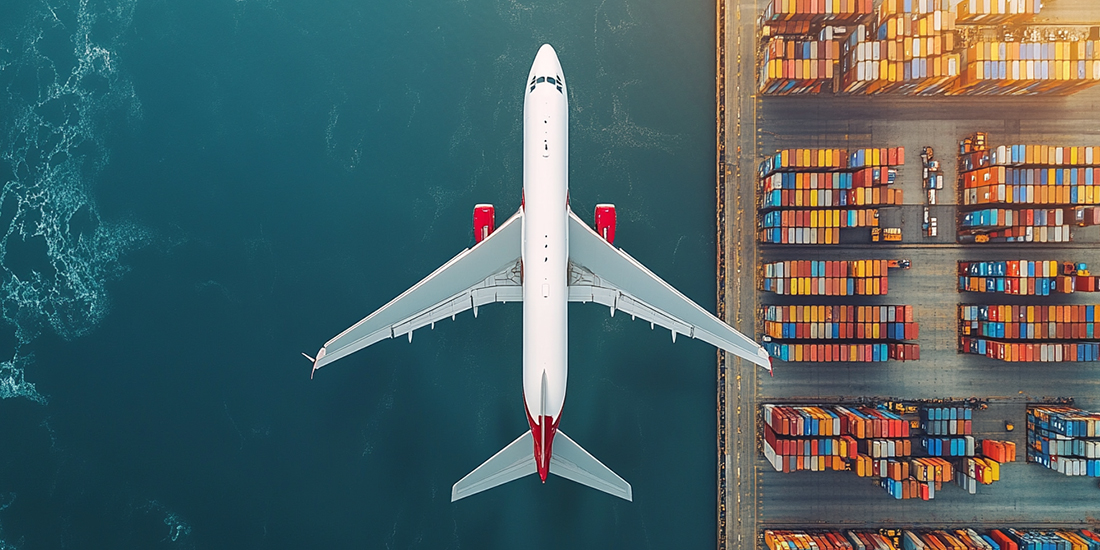 When production stops, every delivery day matters. Delayed components can disrupt schedules and customer commitments. Air freight from China offers a practical solution for urgent commercial shipments. However, choosing the right service requires careful planning. This guide compares standard, priority, and express shipping. You will also learn about flight schedules, customs clearance, and cargo preparation.
-
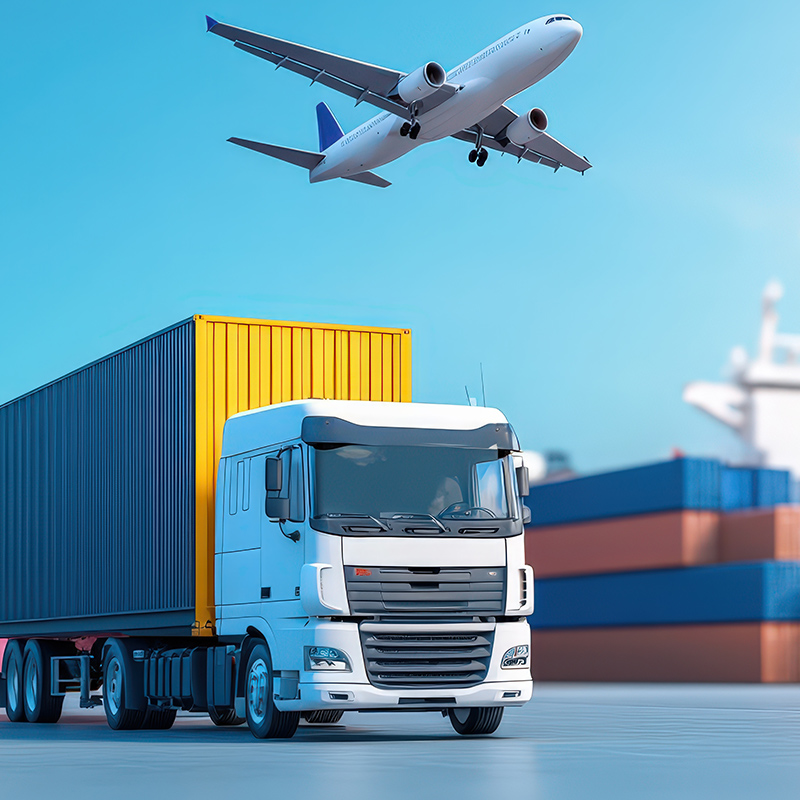 Air freight from China offers speed, but costs can vary significantly. Do you know what determines your final shipping bill? This guide explains air freight cost from China, including per-kilogram rates, chargeable weight, surcharges, and destination fees. Learn how to estimate costs and reduce shipping expenses.
