



High tariffs and premature tax liabilities can severely drain a manufacturing budget in today’s volatile global market. Moving raw materials or semi-finished parts between domestic factories frequently triggers early customs duties. This effectively paralyzes daily cash flow. To combat this bottleneck, savvy logistics engineers deploy a specific legal framework: routing merchandise through bonded zones. This strategy allows components to move seamlessly between production stages without immediate duty payments. Executing it flawlessly, however, requires profound operational expertise. You need a specialized logistics partner to handle the physical transport, warehousing, and rigid customs compliance.
Key Takeaways
- Cost Efficiency: Routing transfers through a secure zone enables manufacturing entities to defer, reduce, or completely eliminate customs duties until the final product officially enters the consumer market.
- Expert Guidance is Crucial: Navigating convoluted local and international trade laws requires an experienced logistics provider. This partnership ensures full regulatory compliance at every critical step.
- Operational Flexibility: Leveraging temporary storage creates a strategic buffer. It prevents factory floor bottlenecks and optimizes inventory management across disparate production stages.
- Compliance is Key: Mastering complex customs declarations guarantees seamless cargo transitions. This shields the business from regulatory penalties, audits, or catastrophic supply chain delays.
Global Supply Chain Trends: Why Bonded Transfers are Surging
Recent industry analyses reveal a distinct macro trend. As geopolitical tensions escalate and unpredictable tariff wars disrupt traditional shipping lanes, global manufacturers are rapidly pivoting toward nearshoring. Supply chain resilience has replaced "just-in-time" delivery as the ultimate industry standard. Within this shift, the strategic use of bonded zones has evolved dramatically.
These zones are no longer viewed merely as tax-deferral mechanisms. They act as critical operational shock absorbers. By decoupling physical inventory movement from immediate fiscal liability, companies shield their production lines from sudden regulatory shocks. This structural agility allows massive manufacturing hubs to maintain continuous production even when border policies shift overnight.
What is a Factory-to-Factory Transfer via Bonded Zone?
A bonded zone is a highly secure, geographically defined physical location operating under strict customs supervision. It is frequently categorized as a Foreign Trade Zone or a comprehensive bonded area. From a legal and fiscal perspective, commercial merchandise held within these perimeters receives identical customs treatment as if it were physically located outside the commerce of the host country. This unique legal fiction provides an incredibly powerful tool for global manufacturers.
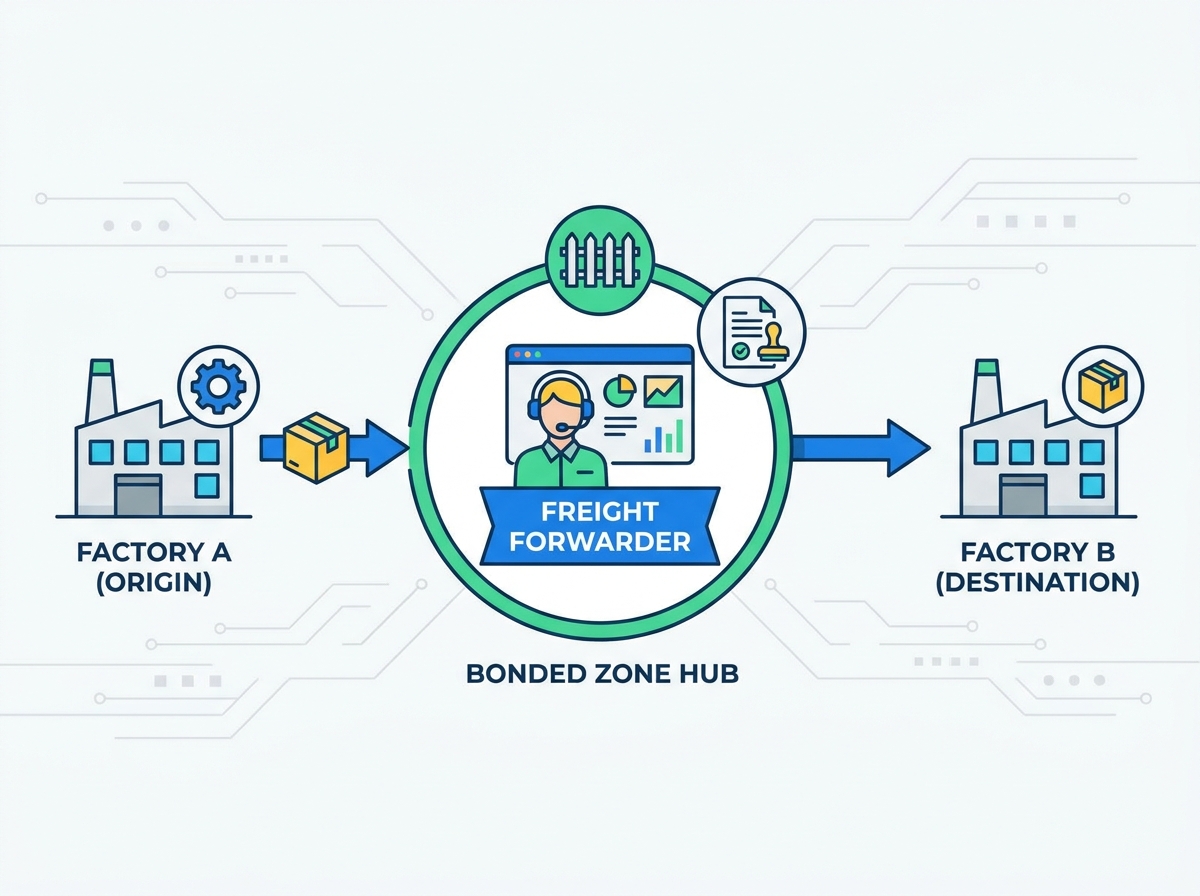
The factory-to-factory model deliberately leverages this framework to streamline complex production cycles. Consider a standard manufacturing scenario where semi-finished components are produced at Factory A. Shipping these components directly to Factory B would immediately trigger tax liabilities. Instead, the goods are transported from Factory A directly into the designated secure zone. Once secured inside, they are consolidated or held until Factory B is prepared for final assembly.
We see this mechanism prove exceptionally effective for a bonded zone domestic cargo transfer. By deliberately routing goods through the zone, domestic factories can legally act as international entities for tax purposes. Factory A can officially export the goods into the zone to claim lucrative export tax rebates. Subsequently, Factory B imports the materials from the zone. This structural maneuver legally bypasses the compounding accumulation of Value Added Tax and import duties that would normally cripple a direct domestic transfer.
The Crucial Role of a Freight Forwarder in Bonded Logistics
Executing a flawless zone-to-zone transfer demands pinpoint engineering coordination. Manufacturing enterprises rarely possess the internal resources to manage these convoluted transfers. The rigid regulatory mandates and specialized infrastructure require a dedicated touch. A licensed logistics provider acts as the master architect of this supply chain, seamlessly orchestrating physical transport, warehouse operations, and mandatory governmental documentation.
One of the most highly specialized services deployed in this arena is factory-to-factory bonded freight forwarding. This operation involves managing the precise physical movement of goods utilizing explicitly authorized bonded trucks. These specific vehicles are registered directly with customs authorities. They are mandated to carry GPS tracking systems and tamper-evident electronic customs seals. The logistics provider guarantees that the exact quantity and specification of goods departing Factory A arrive at the destination without a single discrepancy.
Beyond physical transport, these professionals serve as the primary line of defense against risk. Customs compliance is strictly and unforgivingly enforced. Even a minor clerical error in documentation can result in immediate cargo seizure or devastating financial penalties. By leaning on established logistics networks and dedicated compliance teams, a forwarder shields manufacturing businesses from supply chain disruptions.
FTZ vs. Customs Bonded Warehouse: Which Fits Your Supply Chain?
Understanding the nuanced distinctions between different customs-controlled environments is critical for true supply chain optimization. While industry professionals sometimes use the terms interchangeably in casual conversation, Foreign Trade Zones and Customs Bonded Warehouses serve vastly different strategic purposes.
| Feature | Customs Bonded Warehouse | Foreign Trade Zone / Comprehensive Zone |
|---|---|---|
| Primary Function | Standard storage, sorting, and basic repackaging. | Complex manufacturing, assembly, processing, and long-term storage. |
| Duty Deferral | Yes, duties are deferred until goods exit the warehouse. | Yes, duties are deferred, reduced, or eliminated entirely upon export. |
| Storage Time Limits | Usually strict statutory limits ranging from 1 to 5 years maximum. | Often indefinite storage is allowed with no strict time constraints. |
| Manufacturing Allowed | No. Only minor manipulation like cleaning and sorting is legally permitted. | Yes. Raw materials can be completely transformed into finished products. |
| Customs Entry | Required immediately upon entry into the warehouse facility. | Not required until the goods officially enter the domestic commerce market. |
Choosing the appropriate model depends entirely on your specific processing requirements. If Factory A is merely sending finished components that need to be held for a short duration before Factory B integrates them for domestic sale, a standard Customs Bonded Warehouse is usually sufficient. Conversely, if the goods require physical manipulation, testing, or assembly within the zone itself, an FTZ offers vastly superior operational flexibility.
Strategic Benefits of Bonded Zone Transfers for Manufacturers
The most immediate and measurable benefit is tariff and duty mitigation. In traditional logistical routing, import duties are harshly assessed on raw materials the moment they cross a border. By routing through a bonded zone, these duties are deferred. If the final assembled product is ultimately exported to a third country, the duties on the imported components vanish entirely. If the product does enter the domestic market, duties are only paid upon final release. This frequently allows the manufacturer to strategically select the lower tariff rate between the raw component and the finished good.
Furthermore, this strategy drives profound cash flow optimization. Delaying tax payments keeps vital working capital within the business for a significantly longer period. Instead of tying up millions in customs duties for components sitting idle in a warehouse, that capital can be actively allocated to research and development, payroll, or facility expansion. Goods held within these zones are also frequently exempt from standard import quotas until they officially enter domestic commerce.
Step-by-Step Guide to Executing a Factory-to-Factory Transfer
Executing a seamless cargo transfer between two manufacturing facilities via a bonded zone requires meticulous planning. Strict adherence to standard operating procedures is mandatory. Any deviation can result in cargo holds or the revocation of bonded privileges. Below is a detailed breakdown of the standard engineering process.
Step 1: Pre-Approval and Documentation
Before any physical goods leave the loading dock of the origin facility, the administrative foundation must be firmly established. Customs authorities demand comprehensive visibility into the movement of bonded goods. The origin factory must prepare a detailed commercial invoice, an accurate packing list, and a highly specific bonded transport approval request. The exact routing, vehicle registration, and driver credentials must be pre-registered within the customs portal.
Step 2: Secure Transport to the Bonded Zone
Once documentation is fully approved, physical movement commences. This phase relies heavily on specialized logistics partners to arrange bonded trucking. These vehicles are legally authorized to transport goods that have not yet cleared customs. Equipped with GPS tracking and tamper-evident locking mechanisms, the truck's transit is monitored in real-time. This ensures the cargo follows the pre-approved route without unauthorized stops.
Step 3: Bonded Zone Entry and Storage
Upon arrival at the secure zone, customs seals are rigorously inspected. The goods are then officially logged into the facility’s inventory system. This is where businesses strategically utilize temporary storage during cargo transfer. Imagine Factory A produces thousands of microchips weekly, but Factory B experiences a sudden equipment failure. Rather than shipping the components to a halted factory floor, the goods remain in the bonded facility. This acts as a critical buffer to prevent inventory bottlenecks.
Step 4: Transfer to Factory B
When Factory B is finally ready to receive the components for final assembly, the exit procedure is initiated. If Factory B is also a bonded entity, the transfer continues seamlessly under bonded status. However, if the goods are entering standard domestic commerce, formal customs clearance must occur at this exact stage. The forwarder facilitates the release and calculates all applicable duties based on the final classification of the goods.
Demystifying Processing Trade Customs Declaration
Processing trade is the practice of importing raw materials duty-free, processing them, and subsequently re-exporting the finished goods. It is a cornerstone of global manufacturing hubs. Bonded zones provide the essential physical infrastructure that makes processing trade financially viable. However, the regulatory framework governing this model is notoriously rigid.
Navigating a processing trade customs declaration requires highly specialized knowledge. The process initiates with the establishment of a detailed processing trade manual with the local customs authority. This manual dictates exactly what materials will be imported, the specific manufacturing processes applied, and the exact nature of the final exported product. When goods move into the bonded zone for transfer, the declaration must explicitly reference this manual.
The most critical element scrutinized by customs auditors is the Bill of Materials and its associated yield rates. Customs officials need to know exactly how much raw material is required to produce a single unit of the finished product. If Factory A transfers 1,000 microchips to a bonded zone, and Factory B exports only 800 finished computers, customs will aggressively demand to know the exact yield rate and approved scrap rate. Failing to account for the remaining units leads to heavy fines.
Common Challenges in Zone-to-Zone Transfers & How to Overcome Them
Even with meticulous planning, supply chain managers frequently encounter operational and regulatory hurdles during bonded transfers. Recognizing these common challenges and implementing structural solutions is vital for maintaining a resilient supply chain.
| Operational Challenge | Primary Cause | Preventative Action / Solution |
|---|---|---|
| Regulatory Non-Compliance | Frequent, unannounced changes in local customs laws and tariff codes. | Partner with specialized compliance teams for continuous policy auditing and rapid adaptation. |
| Inventory Discrepancies | Manual data entry errors and poor scrap material tracking on the warehouse floor. | Deploy an API-integrated Warehouse Management System tied directly to customs portals. |
| Gate Congestion & Delays | Strict security checks and a severe lack of bonded vehicle availability during peak seasons. | Utilize logistics providers with Authorized Economic Operator status and dedicated bonded fleets. |
| Documentation Errors | Mismatched commercial invoices and outdated processing trade manuals. | Implement automated document verification software before any shipment is dispatched. |
How to Choose the Right Freight Forwarder for Bonded Transfers
The inherent complexity of navigating bonded zones means that standard shipping vendors are often entirely ill-equipped to handle factory-to-factory transfers. Selecting the correct logistics partner requires evaluating their specific, proven capabilities in bonded operations. You need a partner who speaks the language of customs engineers.
First, evaluate their customs brokerage expertise and operational speed. The partner must employ in-house licensed customs brokers who specialize specifically in bonded zone regulations. Look for providers offering rapid customs clearance services. A top-tier forwarder should be capable of clearing standard processing trade entries in under 4 to 6 hours, utilizing Authorized Economic Operator status to bypass standard inspection queues.
Secondly, verify their physical infrastructure and asset capabilities. Effective operations require direct access to secure, customs-approved bonded warehouses. These facilities must offer robust 24/7 security and advanced climate control for sensitive electronic or pharmaceutical components. Furthermore, the vendor must control a highly reliable fleet of bonded trucks equipped with real-time GPS tracking and electronic customs seals to guarantee a sub-1% discrepancy rate during transit.
Finally, assess their technology integration. In modern logistics, data visibility is just as critical as physical transport. The chosen forwarder must utilize an enterprise-grade Warehouse Management System. This system must seamlessly integrate via API with your factory’s ERP platforms. Real-time tracking of Bill of Materials yield rates and scrap inventory is non-negotiable for surviving rigorous customs audits.
Conclusion
Implementing factory-to-factory transfers via bonded zones is a highly strategic maneuver. It significantly reduces tax burdens and optimizes daily production flow. By utilizing these secure environments, manufacturers can defer duties, manage inventory buffers efficiently, and keep vital working capital fluid. Attempting to manage this complex process internally often leads to costly documentation errors, severe legal fines, and paralyzed supply chains.
To ensure a safe, legal, and highly efficient operation, it is imperative to partner with a specialized logistics provider. A competent partner will audit your current supply chain, mitigate compliance risks, and build a resilient bonded transfer system tailored to your specific manufacturing needs. If you are looking to optimize your domestic and international cargo transfers, explore the advanced forwarding and clearance solutions at JFSZ Logistics to safeguard your production line today.
Frequently Asked Questions
Can any freight forwarder handle a factory-to-factory bonded transfer?
No. Standard logistics providers typically lack the legal authorization and specific regulatory expertise required. Handling these delicate transfers requires specialized customs licenses, a profound understanding of processing trade regulations, and direct operational access to government-approved bonded transport vehicles and secure warehousing facilities.
How long can goods be kept in temporary storage during a cargo transfer in a bonded zone?
The allowable storage duration depends entirely on the specific jurisdiction and the legal classification of the bonded zone. Comprehensive Foreign Trade Zones often permit indefinite storage, which is ideal for long-term inventory buffering. Conversely, traditional customs bonded warehouses usually enforce strict statutory time limits, frequently ranging from one to five years. After this period, the goods must be formally cleared or exported.
Does a bonded zone domestic cargo transfer require the goods to physically leave the country?
No. The primary logistical advantage of this system is that the goods remain physically within the geographical borders of the host country. From a strict legal and tax perspective, however, the goods are treated as if they are outside the domestic customs territory. This powerful legal distinction allows manufacturers to legally defer or eliminate immediate duty payments.
What happens if there is a discrepancy in the processing trade customs declaration?
Customs authorities treat inventory discrepancies with extreme severity. If the declared bill of materials does not perfectly match the physical goods sitting in the zone, it triggers immediate and aggressive audits. The consequences typically include severely delayed shipments, substantial financial penalties, the outright seizure of the cargo in question, and potentially the permanent revocation of the manufacturer's bonded processing privileges.
Are we allowed to perform light assembly or testing on goods while they are in a bonded zone?
This depends on the specific classification of the facility. If the goods are held in a comprehensive Foreign Trade Zone, complex manufacturing, assembly, and testing are fully permitted and encouraged. However, if the goods are stored in a standard Customs Bonded Warehouse, only minor manipulations like sorting, repackaging, or basic cleaning are legally allowed. Any unauthorized manufacturing in a standard bonded warehouse will result in severe customs penalties.
Can we transfer partially finished goods between two different bonded zones?
Yes, zone-to-zone transfers are a standard practice for complex supply chains spanning multiple regions. This process requires a specific customs transit declaration. The goods must be moved using officially registered bonded trucks with active electronic seals to ensure the cargo remains under continuous customs supervision during the domestic transit between the two zones.
Related Blogs
-
 Door to door shipping from China simplifies international logistics. But how can you ensure smooth delivery from factory to destination? Choosing the right shipping method, preparing documents, and understanding customs responsibilities are essential. This guide explains each shipping step, compares sea, air, and express services, and clarifies DDP and DAP terms. Learn how to arrange reliable deliveries and avoid unexpected costs.
-
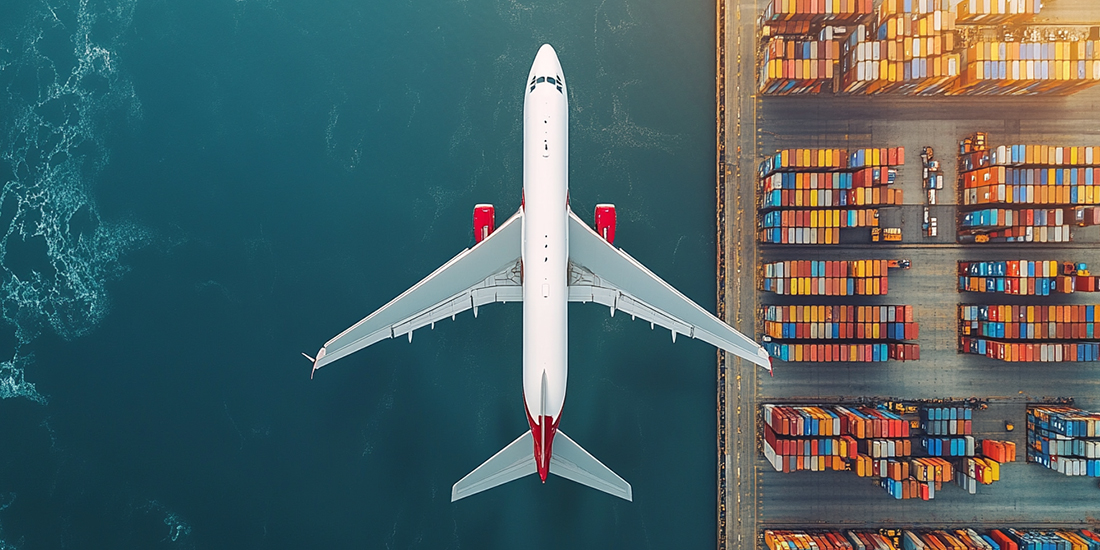 When production stops, every delivery day matters. Delayed components can disrupt schedules and customer commitments. Air freight from China offers a practical solution for urgent commercial shipments. However, choosing the right service requires careful planning. This guide compares standard, priority, and express shipping. You will also learn about flight schedules, customs clearance, and cargo preparation.
-
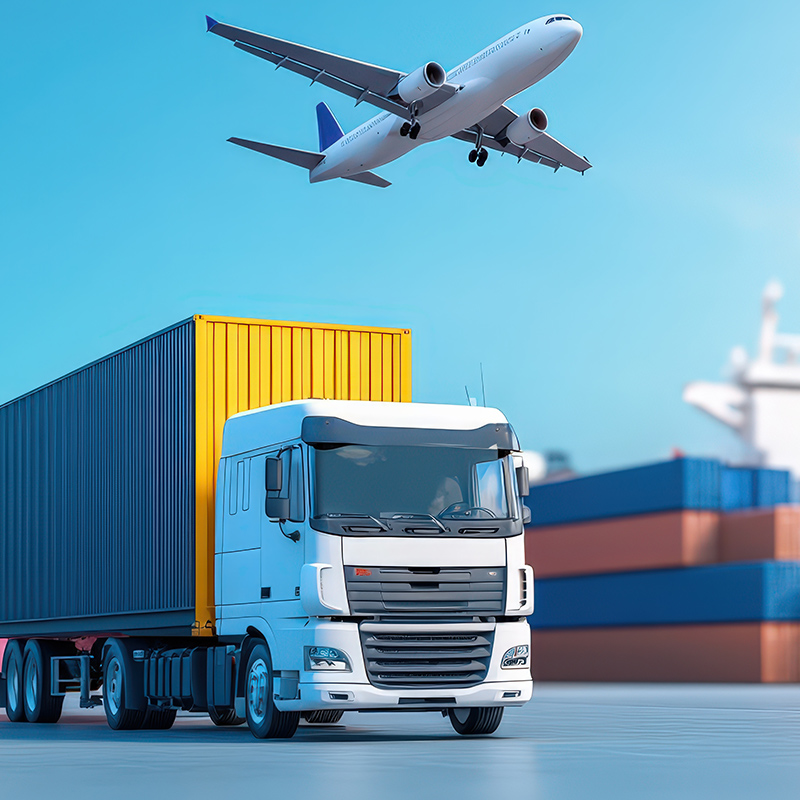 Air freight from China offers speed, but costs can vary significantly. Do you know what determines your final shipping bill? This guide explains air freight cost from China, including per-kilogram rates, chargeable weight, surcharges, and destination fees. Learn how to estimate costs and reduce shipping expenses.
