



The global supply chain is evolving rapidly as we approach the 2026 trade cycle. For multinational enterprises moving goods in and out of China, Shenzhen remains the ultimate strategic hub. But let us be clear on the reality of the ground. Shifting global trade regulations, persistent port congestion, and rapid technological upgrades are making cross-border operations incredibly complex.
Navigating these systemic changes requires far more than simply booking freight space on a vessel. It demands a highly analytical approach to regulatory compliance, proactive risk management, and strategic warehousing. To maintain a competitive edge, you must leverage specialized infrastructure and collaborate with a competent logistics partner capable of executing advanced data-driven strategies. This guide provides an objective, frontline analysis of the trends, legal updates, and operational methodologies defining the Shenzhen logistics landscape.
Key Takeaways
- Strategic Advantage: Utilizing Shenzhen bonded zones allows businesses to defer duties, optimize working capital, and accelerate market entry through localized staging.
- 2026 Compliance is Mandatory: Evolving Chinese customs decrees and global sustainability frameworks require rigorous supply chain security and precise origin documentation.
- Tech-Driven Operations: Relying on automated clearance is no longer optional. Modern digital systems prevent costly terminal delays and ensure pinpoint accuracy in tariff calculations.
- Regional Synergy: Integrating mainland manufacturing with Hong Kong free-trade infrastructure provides unmatched flexibility for global distribution and reverse logistics.
- The Right Partner: Engaging an established specialized forwarder is the most empirical method to mitigate regulatory risks and optimize overall logistics expenditure.
Why Shenzhen Bonded Zones are Crucial for Global Trade in 2026
Think of a bonded zone as a highly regulated economic buffer supervised directly by regional customs authorities. Goods entering these zones from overseas are treated legally as if they have not yet crossed the domestic customs border. This unique jurisdictional status means that raw materials, components, and finished products can be stored, processed, assembled, or repackaged without triggering immediate customs duty payments or Value Added Tax. Tariffs are only assessed when the cargo officially leaves the bonded facility to enter the domestic Chinese market. In contrast, if the goods are processed and re-exported to another country, Chinese import duties are entirely bypassed.
The primary financial advantage of utilizing these specialized zones is significant cash flow optimization. Imagine importing high-value electronic components. Instead of paying a hefty 15 percent tariff upfront, your capital remains liquid until the exact day those parts are assembled and shipped to a local distributor. Operationally, these facilities permit extensive value-added services. Goods can undergo repackaging, compliance labeling, kitting, and strict quality control inspections before final distribution. This localized processing eliminates the need to transport defective goods back to the origin factory for modifications. Consequently, it decreases transit times and lowers associated carbon emissions.
Furthermore, Shenzhen maintains a geographical and infrastructural advantage that is exceedingly difficult to replicate. Positioned adjacent to major global shipping hubs like the Yantian and Shekou deep-water ports, the city serves as a critical node connecting the Pearl River Delta manufacturing powerhouses with global consumer markets. As supply chains face increasing volatility, positioning inventory in Shenzhen allows businesses to pivot seamlessly between domestic distribution and international export.
| Feature | Standard Logistics | Bonded Logistics |
|---|---|---|
| Duty Payment | Immediate upon border entry | Deferred until domestic market entry |
| Cash Flow Impact | High initial capital requirement | Preserved capital and optimized liquidity |
| Processing Allowed | Minimal post-clearance handling | Extensive repackaging, assembly, and labeling |
| Re-export Efficiency | Complex duty drawback process | Seamless export with no duty applied |
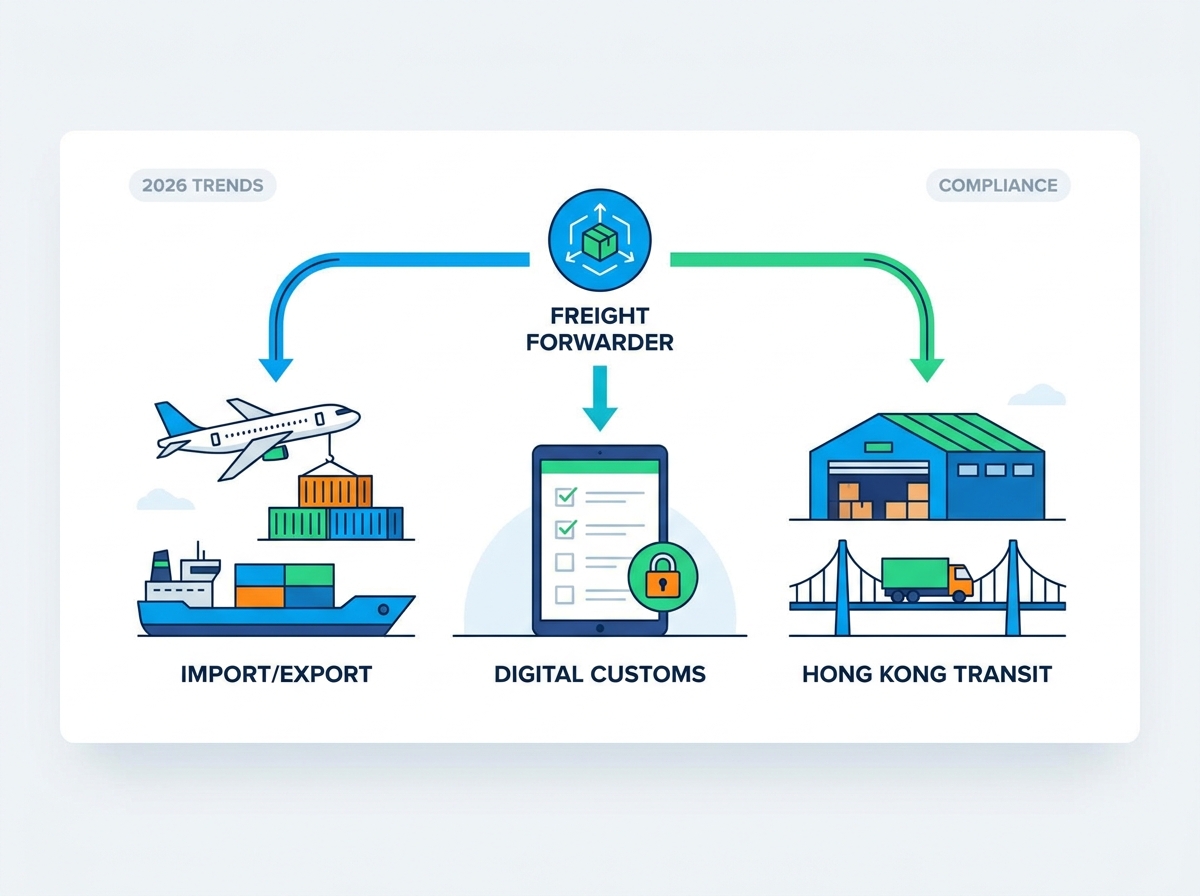
Top 2026 Trends Reshaping Bonded Zone Logistics
Recent industry analyses for the upcoming 2026 trade cycle highlight a definitive transition toward supply chain resilience over pure cost-cutting. Shippers are rapidly moving away from fragile just-in-time inventory models. Instead, forward-thinking enterprises are adopting robust buffer strategies utilizing bonded warehousing to hedge against geopolitical shocks, sudden tariff hikes, and regional lock-downs. This macro-economic shift makes localized staging in Southern China more critical than ever.
The integration of artificial intelligence into logistics planning has transitioned from a theoretical concept to a daily operational standard. Advanced systems now ingest live weather satellite feeds, historical port strike data, and terminal crane productivity rates to forecast congestion before it physically manifests. A proactive logistics provider utilizes these predictive models to reroute containers while they are still mid-ocean. This prevents cargo from being trapped in bottlenecks and maintains lean inventory levels without risking catastrophic stockouts.
Global trade strategies are shifting rapidly toward nearshoring and e-commerce fulfillment. Rather than abandoning established Asian hubs, companies are repurposing them. Shenzhen bonded facilities are increasingly functioning as massive fulfillment centers for cross-border e-commerce. By leveraging bonded zone import and export logistics, international brands can store bulk inventory tax-free. They only pay duties on individual parcels as they are dispatched to local buyers, creating a highly efficient localized supply chain.
Environmental, Social, and Governance targets are fundamentally altering how procurement networks operate. Multinational brands are no longer just looking for the cheapest storage. They are actively auditing their supply chains for carbon compliance. Warehousing facilities in Shenzhen are adapting by adopting low-carbon operational models, including solar-powered climate control and optimized consolidation strategies. Shippers now evaluate partners based on their ability to provide verifiable carbon emissions data for strict regulatory reporting.
Navigating 2026 Customs Compliance and Trade Regulations
Customs authorities are implementing stringent oversight mechanisms to ensure the absolute integrity of international trade. What does this mean on the warehouse floor? Recent regulatory updates mandate enhanced supply chain security protocols. These regulations require comprehensive data protection measures, stricter physical security standards at warehousing facilities with 24-hour surveillance retention, and granular traceability for all raw materials entering bonded areas. Non-compliance is severely punished. It often results in the revocation of bonded privileges and extended cargo holds.
Exporters utilizing Shenzhen as a hub must also navigate a complex web of international regulatory frameworks. The Carbon Border Adjustment Mechanism initiated by the European Union requires detailed reporting on the embedded carbon emissions of specific imported goods. Failure to provide accurate carbon data results in significant financial penalties at the destination port. Consequently, export documentation from Shenzhen now requires a sophisticated blend of traditional customs declarations and rigorous environmental compliance data.
Given the overlapping jurisdictional requirements, managing this complex web of regulations in-house is a high-risk strategy. A highly competent Shenzhen bonded freight forwarding partner acts as a critical legal and operational buffer. They possess the specialized local knowledge required to determine flawless tariff classifications, secure accurate certificates of origin, and ensure all environmental reporting meets international standards. By transferring this responsibility to a certified expert, businesses mitigate the risk of audits and detrimental supply chain interruptions.
The Rise of Digital Customs Clearance for Bonded Cargo
The era of manual paperwork, physical stamps, and couriered documents in customs processing is officially dead. Shenzhen has aggressively adopted fully paperless automated customs declaration systems. These modern frameworks utilize secure databases to transmit commercial invoices, packing lists, and origin certificates directly to customs authorities via API integrations. This digital transition eliminates the risk of lost documents and drastically reduces human data-entry errors, which historically stand as the leading cause of clearance delays.
The primary benefit of this technological shift is unprecedented processing velocity. What previously required several days of administrative back-and-forth can now be completed in hours. Picture a scenario where a container arrives at Yantian port at 2 AM. Utilizing digital customs clearance for bonded cargo, automated systems process the declaration and release the cargo before the morning shift even begins. This ensures that tariff calculations are precise, preventing both overpayment of duties and compliance violations while simultaneously lowering terminal storage fees.
Transparency is a non-negotiable requirement for modern supply chain managers. Leading logistics providers now offer integrated digital dashboards that connect directly to a client Enterprise Resource Planning system. This integration allows businesses to monitor customs statuses, review duty assessments, and track cargo locations in real-time. Having immediate access to this granular data empowers decision-makers to manage downstream distribution schedules with absolute confidence.
Maximizing Efficiency with Hong Kong Transit Warehousing
The geographical proximity and distinct political-economic systems of Shenzhen and Hong Kong create a highly resilient dual-node strategy. Shenzhen offers unparalleled access to manufacturing infrastructure and cost-effective bonded processing. In contrast, Hong Kong operates as a free port characterized by minimal export restrictions, a straightforward tax regime, and one of the most connected international airports in the world. Linking these two regions allows businesses to construct a supply chain that balances cost efficiency with maximum international reach.
Strategic logistics planning often involves utilizing Hong Kong transit warehousing and distribution as a buffer for global shipments. Businesses can consolidate goods from various mainland Chinese suppliers in Shenzhen, transport them efficiently across the border via secure bonded trucking networks, and store them tax-free in Hong Kong. From there, the cargo can be distributed globally via air or ocean freight. This specific routing method bypasses many of the complex export quotas that frequently bottleneck direct shipments from the mainland.
Furthermore, reverse logistics remains a massive headache for the cross-border e-commerce sector. Returning defective or unsold goods directly to a mainland Chinese factory involves complex customs procedures and potential re-importation taxes. Using Hong Kong as a transit and processing hub offers a highly practical solution. Returned goods can be received, inspected, refurbished, or liquidated in Hong Kong without triggering mainland customs duties. This makes it the most cost-effective strategy for managing global returns.
How a Specialized Freight Forwarder Solves Supply Chain Challenges
Historical data indicates that pre-holiday rushes trigger severe cascading delays at major shipping terminals. Congestion levels during these peak periods often mirror the disruptions seen during global crises. A specialized forwarder mitigates this risk through proactive capacity management. By leveraging established high-volume relationships with ocean carriers and airlines, they secure space allocations months in advance. When terminal gates jam, an expert partner immediately designs alternative routing strategies, such as utilizing barge networks, to bypass congested terminals entirely.
Procuring goods from multiple suppliers typically results in fragmented Less than Container Load shipments. This inflates freight costs and drastically increases handling risks. An expert logistics partner addresses this through strict buyer consolidation. They coordinate the collection of goods from various Shenzhen-based manufacturers, transport them to a single bonded facility, and consolidate them into Full Container Loads. This operational strategy significantly reduces per-unit shipping costs, minimizes customs clearance entries, and lowers the risk of cargo damage during transit.
There is a distinct operational difference between a basic shipping agent and a comprehensive Third Party Logistics partner. While a traditional agent merely books freight space on a vessel, a true logistics partner manages the entire lifecycle of the supply chain. In the context of 2026 bonded logistics, this includes overseeing warehouse inventory, executing value-added processing, managing cross-border transit, and ensuring final-mile delivery. This eliminates the need to coordinate multiple disjointed vendors.
Actionable Guide: Choosing Your Logistics Partner
The foundation of a reliable logistics partnership is verified legal and operational standing. It is critical to ensure that the prospective partner holds specific up-to-date bonded zone operational licenses in Shenzhen. You must verify if they possess Authorized Economic Operator status. This certification is an internationally recognized mark of quality. On the frontline, an Authorized Economic Operator status translates to tangible metrics, often reducing customs inspection rates by up to 80 percent and ensuring expedited clearance.
In the current landscape, a forwarder technological capability is just as important as their physical warehouse square footage. Evaluate their digital systems meticulously. Do they offer 24-hour automated warehouse management system visibility? Can their tracking platforms integrate seamlessly with your existing inventory management systems via API? A partner relying on outdated manual spreadsheets will inevitably introduce delays, blind spots, and costly errors into your supply chain.
A robust operation requires more than just a presence in one city. Assess whether the forwarder can seamlessly handle mainland operations alongside neighboring regions. They must offer seamless integration of sea freight, air freight, and cross-border trucking under one unified contract. Their ability to coordinate with Hong Kong transit hubs and secure priority space on international vessels dictates the overall fluidity of your global logistics network.
Finally, demand empirical evidence of their compliance expertise. Request specific case studies detailing how they have navigated recent customs audits or adapted to new regulatory decrees. A partner with a proven documented track record of maintaining strict legal compliance while actively optimizing operational costs is the most valuable asset a global shipper can secure.
Conclusion
Success in 2026 requires balancing fast-paced logistics trends with incredibly strict customs compliance. Shenzhen bonded zones offer incredible return on investment, from duty deferment to localized processing, but only if navigated correctly. The difference between a delayed, heavily taxed shipment and a seamless, cost-effective supply chain ultimately comes down to the expertise of your logistics partner.
Stop letting port congestion, manual paperwork errors, and customs penalties eat into your profit margins. Whether you need robust warehousing solutions, rapid digital customs clearance, or comprehensive global freight forwarding, you must align with a partner that provides the infrastructure and technical expertise to scale your operations. Evaluate your current supply chain bottlenecks today. We highly recommend exploring specialized services to configure a customized logistics solution that guarantees compliance, protects your cash flow, and accelerates your global market entry.
FAQ
What is the main difference between standard logistics and bonded zone import and export logistics?
Standard logistics requires the immediate payment of customs duties and taxes upon the cargo entering China. Bonded logistics allows goods to be imported, stored, processed, and consolidated in a special customs-supervised zone where duties are entirely deferred until the goods officially enter the domestic market. If the goods are re-exported, these duties are bypassed completely.
How does digital customs clearance for bonded cargo actually save money?
It eliminates manual paperwork errors that cause customs holds. This drastically reduces terminal storage and demurrage fees caused by clearance delays. Furthermore, API integrations allow for precise automated tariff calculations, preventing expensive overpayments and compliance fines.
Why should I use Hong Kong transit warehousing and distribution instead of shipping directly from Shenzhen?
Hong Kong is a free port with fewer export restrictions, no general sales tax, and extensive international flight and vessel options. Utilizing it alongside Shenzhen allows for easier global distribution, tax-free consolidation of mainland goods, and a highly streamlined process for handling reverse logistics and cross-border e-commerce returns.
How long can goods stay in a Shenzhen bonded warehouse?
Generally, goods can be stored in a Shenzhen bonded warehouse for up to one year. However, businesses can apply for extensions through local customs authorities if justified by operational needs. This extended storage capability is vital for staging inventory without tying up capital in upfront duty payments.
What are the specific requirements for Authorized Economic Operator certified forwarders in China?
To achieve this premier status, a forwarder must pass rigorous audits by Chinese Customs. They must demonstrate impeccable financial stability, maintain highly secure physical warehouse perimeters, utilize advanced digital record-keeping systems, and show a flawless history of trade compliance. Partnering with an authorized forwarder guarantees lower inspection rates and priority clearance processing.
Can a freight forwarder help me with new global sustainability regulations?
Yes. A premium logistics partner will assist with the necessary documentation, embedded carbon reporting, and route optimization required to comply with global environmental regulations like the European Union Carbon Border Adjustment Mechanism. This ensures your goods are not penalized or delayed at the destination port.
Related Blogs
-
 Door to door shipping from China simplifies international logistics. But how can you ensure smooth delivery from factory to destination? Choosing the right shipping method, preparing documents, and understanding customs responsibilities are essential. This guide explains each shipping step, compares sea, air, and express services, and clarifies DDP and DAP terms. Learn how to arrange reliable deliveries and avoid unexpected costs.
-
 When production stops, every delivery day matters. Delayed components can disrupt schedules and customer commitments. Air freight from China offers a practical solution for urgent commercial shipments. However, choosing the right service requires careful planning. This guide compares standard, priority, and express shipping. You will also learn about flight schedules, customs clearance, and cargo preparation.
-
 Air freight from China offers speed, but costs can vary significantly. Do you know what determines your final shipping bill? This guide explains air freight cost from China, including per-kilogram rates, chargeable weight, surcharges, and destination fees. Learn how to estimate costs and reduce shipping expenses.
