



How much does ocean freight from China really cost? The final price often exceeds the basic shipping rate. The ocean freight cost from China depends on cargo volume, container type, destination, and additional fees. This guide explains shipping rates, FCL and LCL costs, and practical ways to reduce expenses.
How Much Does Ocean Freight Cost from China?
The ocean freight cost from China depends mainly on container size, cargo volume, destination, and shipping arrangements. There is no single rate that applies to every international shipment. Freight forwarders calculate quotations using current carrier rates and specific cargo information. A quotation may include basic ocean freight only or cover several additional logistics services. Buyers should understand this difference before comparing prices. The following sections explain common container pricing methods and help businesses identify suitable shipping arrangements.
Average 20ft Container Shipping Cost from China
A 20ft container, commonly called a 20GP, is a standard option for international sea freight. It provides dedicated container space for one shipment. Its pricing usually depends on the departure port, destination port, carrier, and booking date. For example, a shipment departing from Shanghai may receive a different quotation from one departing from Shenzhen. The final amount also depends on available shipping capacity and route conditions. Buyers should therefore provide accurate shipment details when requesting a 20ft container shipping cost from China. Important information includes cargo type, gross weight, loading location, and destination. They should also confirm whether the quotation covers port handling and export documentation.
A 20ft container can be suitable for manufacturers, wholesalers, and importers shipping moderate cargo volumes. It may also offer better cargo control than consolidated transportation. However, buyers should not select it based only on container dimensions. Actual loading capacity depends on cargo weight, package dimensions, and applicable transport restrictions. Heavy goods may reach weight limits before the container is fully occupied. Irregularly shaped products may also reduce loading efficiency. Before booking, businesses should compare available container specifications and estimated cargo utilization. They should ask the freight forwarder to confirm whether the shipment can be loaded safely and efficiently. This helps avoid unnecessary transportation expenses and loading problems.
Average 40ft Container Shipping Cost from China
A 40ft container provides more loading space than a standard 20ft container. It is commonly used for larger shipments and regular inventory transportation. Buyers can also consider a 40HQ container when their goods require additional internal height. Although a 40ft container costs more than a 20ft container, its price is not necessarily twice as high. This creates potential savings when businesses have enough cargo to use the additional capacity. The actual 40ft container shipping cost from China depends on the shipping route, carrier availability, container type, and booking period. Buyers should compare 40GP and 40HQ quotations when cargo dimensions require different container configurations.
Container utilization plays an important role in determining shipping value. If a shipment nearly fills a 40ft container, it may provide better cost efficiency than booking two smaller arrangements. However, businesses should consider cargo weight and loading restrictions. Heavy machinery, metal products, and industrial materials may require special loading plans. They may not use the available container volume efficiently. Buyers should also check whether the destination can receive the selected container type. Some delivery locations have equipment or access restrictions. A freight forwarder can review cargo specifications and recommend a suitable container. This helps businesses balance capacity, transportation costs, and operational requirements.
LCL Shipping Cost from China Per CBM
Less than Container Load (LCL) shipping allows several customers to share one container. It is useful when a business does not have enough cargo for FCL transportation. Freight forwarders generally calculate LCL charges using shipment volume or weight. The chargeable measurement depends on the carrier's pricing rules and service arrangement. Many standard LCL quotations use cubic meters (CBM) as the main measurement. Buyers should understand how their cargo volume is calculated before requesting an ocean freight cost per CBM. Businesses can explore Maritime Transport Services and international logistics services to learn more about available shipping solutions.
The basic volume formula is:
CBM = Length × Width × Height
All dimensions should be measured in meters.
All dimensions must be converted into meters before calculation. For example, a package measuring 1.2 m × 0.8 m × 0.6 m occupies 0.576 CBM. Multiple packages should be calculated separately and then added together. Freight forwarders may also apply minimum chargeable volumes. Origin handling, consolidation, documentation, and destination fees can affect the total amount. Therefore, the LCL shipping cost from China is not always equal to the advertised ocean freight rate multiplied by cargo volume. Buyers should request a complete quotation showing both freight and additional charges.
FCL vs LCL Shipping Cost Comparison
FCL and LCL offer different pricing structures. FCL charges are generally based on container type and route. LCL charges usually depend on chargeable volume or weight. Neither option is always cheaper. The better choice depends on shipment size, cargo type, destination, and handling requirements.
Comparison Factor | FCL Shipping | LCL Shipping |
|---|---|---|
Pricing Method | Per container | Usually per CBM or weight |
Cargo Space | Dedicated container | Shared container |
Suitable Volume | Larger shipments | Smaller shipments |
Cargo Handling | Fewer consolidation stages | Consolidation and deconsolidation |
Cost Advantage | Better for suitable large volumes | Useful for smaller shipments |
Loading Control | Greater control | Shared loading arrangements |
Buyers should compare the complete shipping expenses rather than basic ocean freight alone. LCL may involve additional warehouse handling and consolidation charges. FCL may require higher upfront transportation spending. However, a larger shipment can make FCL more economical on a per-unit basis. Businesses should request both quotations when their cargo volume makes either option practical. They should also consider delivery schedules and cargo compatibility. A suitable freight forwarder can help identify the most cost-effective arrangement based on actual shipment details.
Tip: Compare total logistics costs instead of choosing the lowest advertised ocean freight rate.
What Factors Affect Ocean Freight Rates from China?
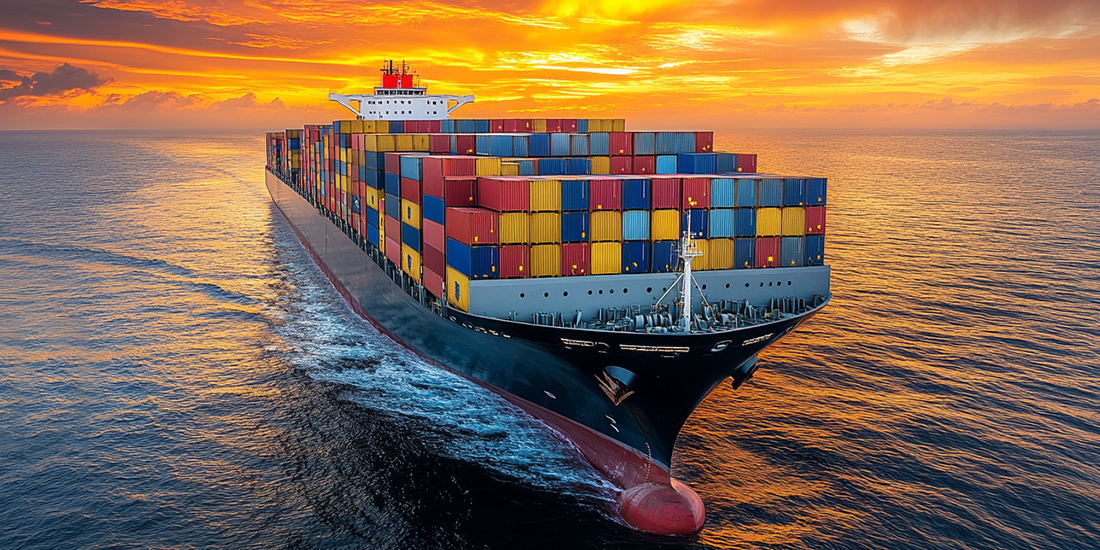
Ocean freight rates from China change according to several market and shipment conditions. The origin port, destination, cargo dimensions, and container type all influence the quotation. Shipping demand and carrier capacity can also cause rate changes. Understanding these factors helps buyers plan transportation budgets more accurately. It also allows them to identify which costs they can control before booking.
Shipping Routes and Origin and Destination Ports
China has several major international shipping ports. These include Shanghai, Ningbo, Shenzhen, Guangzhou, Qingdao, and Tianjin. Each port serves different manufacturing regions and international trade routes. The nearest port is not always the most economical departure point. Buyers should consider inland transportation costs and available sailing schedules. For example, moving cargo from an inland factory to a distant port may increase the overall transportation budget. A nearby port may reduce domestic trucking expenses.
Destination ports also influence ocean freight rates. Different ports have different handling charges, carrier services, and transportation connections. Direct services may reduce transshipment requirements. However, they are not available on every route or booking date. Some shipments require transfers through intermediate ports. This can affect transit schedules and cargo coordination. Buyers should compare the complete route rather than looking only at the basic ocean freight price. They should also confirm whether destination delivery is included. This creates a more accurate comparison between different shipping solutions.
Cargo Volume, Weight, and Container Type
Cargo dimensions and gross weight determine how goods can be transported. Large shipments may require dedicated containers. Smaller shipments may be suitable for LCL consolidation. However, the available container space is not the only consideration. Weight restrictions and cargo distribution also affect loading arrangements. Heavy goods may require special equipment or additional handling. Irregular cargo dimensions can make container utilization more difficult.
Different cargo types may also require different container specifications. Standard dry containers are widely used for general merchandise. Refrigerated containers support goods requiring controlled temperatures. Open-top containers can accommodate certain tall cargo items. Flat-rack containers may suit oversized machinery and equipment. These specialized arrangements can involve higher transportation and handling charges. Buyers should provide accurate product dimensions and handling requirements before requesting quotations. They should also disclose special cargo characteristics. This allows freight forwarders to recommend appropriate equipment and avoid unexpected expenses.
Shipping Seasons and Market Demand
Shipping demand changes throughout the year. Peak purchasing periods can increase competition for container space and vessel capacity. Businesses may experience higher freight rates when many exporters book shipments simultaneously. Chinese New Year can also affect factory production and port operations. Other international purchasing seasons may create additional demand on certain trade routes.
Carrier capacity also influences pricing. Shipping lines may adjust vessel schedules or capacity according to market conditions. Blank sailings can reduce available departures. Weather disruptions and port congestion may also affect transportation schedules. Buyers should therefore avoid assuming that an earlier quotation will remain valid indefinitely. They should confirm rate validity and booking conditions before arranging cargo collection. Advance planning can improve booking flexibility. It may also help businesses avoid unnecessary last-minute transportation arrangements.
Cargo Type and Special Handling Requirements
General merchandise usually follows standard container transportation procedures. However, certain products require additional handling or documentation. Fragile goods may need stronger packaging and careful loading. Oversized machinery may require specialized equipment. Temperature-sensitive products may need refrigerated containers and monitoring arrangements. Dangerous goods require appropriate classification, declarations, packaging, and transport approvals.
These requirements can affect both freight rates and handling expenses. For example, refrigerated containers require suitable equipment and power arrangements. Oversized cargo may involve additional loading and port handling. Dangerous goods may require special acceptance procedures. Buyers should provide accurate cargo descriptions before requesting quotations. They should also disclose relevant safety information and documentation requirements. Incorrect cargo declarations can create delays and additional costs. Early communication helps freight forwarders arrange suitable transportation and identify potential restrictions.
Tip: Specialized cargo rates should be confirmed separately because standard container quotations may not apply.
What Additional Charges Are Included in Ocean Freight Costs?
The basic ocean freight rate does not always represent the complete shipping expense. International transportation involves several services at both origin and destination. These charges may be billed separately or combined into one quotation. Buyers should understand each cost category before confirming a shipment. This helps prevent unexpected expenses during cargo transportation.
Origin Charges in China
Origin charges cover services required before cargo leaves China. They may include terminal handling, export documentation, customs declaration, and warehouse operations. Some shipments also require factory pickup and transportation to the departure port. The exact charges depend on the shipping arrangement and service provider.
Common origin charges include:
Origin Terminal Handling Charges (THC).
Export customs declaration fees.
Shipping documentation fees.
Warehouse receiving and handling.
Cargo inspection and repacking.
Inland transportation and container loading.
EXW shipments may require buyers to arrange more origin-side services. FOB shipments generally involve seller responsibilities up to the agreed delivery point under the applicable Incoterms rules. Buyers should confirm which expenses are included in the commercial agreement. They should also check whether warehouse handling is charged separately. This is especially important when goods come from multiple factories. A clear origin cost breakdown makes international freight budgeting more reliable.
Destination Charges and Port Handling Fees
Destination charges arise when cargo arrives at the receiving port. They may include terminal handling, documentation, customs brokerage, and local transportation. These expenses differ between countries and ports. Therefore, buyers should not assume that destination charges are included in the ocean freight quotation.
Common destination expenses include:
Destination terminal handling charges.
Delivery order and documentation fees.
Customs clearance and inspection.
Port or terminal storage.
Container unloading and local delivery.
Additional handling where required.
Import duties and taxes may also apply. Their amounts depend on product classification, customs value, and destination regulations. Buyers should confirm who handles customs clearance and payment responsibilities. They should also ask whether the quotation includes final delivery. This helps prevent disputes when cargo arrives. For door-to-door shipments, request a clear breakdown of transportation, customs, and local handling services.
Fuel Surcharges and Other Freight Adjustments
Shipping lines may apply surcharges in addition to basic ocean freight. These charges can change according to operating costs and market conditions. Bunker Adjustment Factor (BAF) is associated with fuel cost changes. Currency Adjustment Factor (CAF) may apply to certain services. Peak Season Surcharge (PSS) may appear during periods of strong shipping demand.
General Rate Increase (GRI) is another pricing adjustment used by carriers. Other route-specific or operational surcharges may also apply. Not every carrier uses the same surcharge structure. Some quotations combine these charges into the total freight rate. Others list them separately. Buyers should ask whether quoted rates include applicable surcharges. They should also confirm the quotation's validity period. This helps avoid comparing one all-inclusive quotation against another quotation covering basic freight only.
Storage, Demurrage, and Detention Costs
Storage, demurrage, and detention charges can increase shipping expenses when cargo is delayed. These charges are related but refer to different situations. Storage generally applies when cargo remains in a warehouse or terminal beyond the allowed period. Demurrage usually concerns containers remaining inside the port or terminal beyond the permitted free time. Detention generally applies when containers remain outside the terminal beyond the allowed return period.
The actual rules and charging methods depend on the carrier and location. Buyers should confirm free-time arrangements before shipment arrival. They should also prepare customs documents and arrange delivery in advance. Delayed customs clearance or unavailable trucks may create additional charges. Importers should coordinate with customs brokers and local transport providers. They should also track arrival notices and release procedures. Good planning helps businesses reduce unnecessary storage and equipment-related expenses.
Tip: Ask your freight forwarder to list free time and potential delay charges in writing.
How Do You Calculate the Total Ocean Freight Cost from China?
Calculating total shipping expenses requires more than checking the ocean freight rate. Buyers should include origin charges, destination expenses, customs services, and inland transportation. The calculation method also differs between FCL and LCL shipments. Understanding these costs helps businesses prepare realistic purchasing budgets. It also makes quotations easier to compare.
Calculate FCL Shipping Expenses
For FCL transportation, the basic calculation starts with the container freight rate. Buyers then add applicable origin and destination charges. Other expenses may include export documentation, customs clearance, and inland delivery. The final amount depends on the agreed service scope and trade terms.
A practical calculation structure is:
Total FCL Cost = Ocean Freight + Origin Charges + Destination Charges + Customs Fees + Inland Transportation + Other Applicable Fees
For example, assume a business ships machinery from China using one 40HQ container. Its quotation includes the ocean freight rate, origin handling, destination terminal fees, and local delivery. The buyer should add these items to estimate the complete logistics budget. Any insurance, inspection, or special handling costs should also be included when applicable. All figures in a real calculation must come from current quotations. Buyers should avoid using historical freight rates as guaranteed booking prices.
Calculate LCL Shipping Costs Per CBM
LCL pricing generally starts with the cargo's chargeable volume. Buyers calculate the total CBM using package dimensions. The freight forwarder then applies the relevant rate and minimum chargeable measurement. Some services may also compare cargo weight against volume. The applicable billing method depends on the carrier and route.
For example, consider a shipment containing several cartons. Each carton measures 0.6 m × 0.5 m × 0.4 m. One carton occupies 0.12 CBM. If the shipment contains ten cartons, its total volume is 1.2 CBM.
The basic calculation is:
Total LCL Freight = Chargeable CBM × LCL Rate Per CBM + Additional Charges
This calculation is only a starting point. Warehouse handling, documentation, customs clearance, and destination charges may increase the final amount. Buyers should request an itemized quotation. They should also check minimum billing rules and any weight-based conditions. This makes it easier to determine whether LCL remains economical compared with FCL.
Compare Port-to-Port and Door-to-Door Shipping Costs
Port-to-port and door-to-door services cover different transportation stages. Port-to-port generally covers the main international sea transportation between designated ports. Buyers may need to arrange additional services at both ends. Door-to-door transportation includes more stages, such as factory pickup and final delivery. However, the actual scope depends on the quotation and agreed trade terms.
EXW shipments usually require the buyer to arrange more transportation from the seller's premises. FOB shipments include seller responsibilities up to the agreed loading point under the applicable rules. DAP and DDP arrangements extend delivery responsibilities to the named destination. Under DAP, the buyer normally handles import clearance. Under DDP, the seller takes responsibility for import clearance and applicable duties, subject to the contract and local legal requirements.
Service Arrangement | Main Cost Considerations |
|---|---|
Port-to-Port | Ocean freight and agreed port services |
EXW | Pickup, export procedures, freight, and destination costs |
FOB | Ocean freight and buyer-arranged services after the agreed loading point |
DAP | Transportation to the named destination; buyer handles import clearance |
DDP | Delivery and import clearance, including applicable duties |
Buyers should compare quotations using identical delivery locations and service requirements. A cheaper port-to-port quotation may not be cheaper after local delivery is added. Always check the included services before making a final decision.
Tip: Request separate FCL and LCL calculations when your shipment volume allows both options.
How Can You Reduce Ocean Freight Costs When Shipping from China?
Businesses can reduce shipping expenses through better planning and cargo management. However, cost reduction should not compromise cargo safety or delivery reliability. Buyers should focus on container utilization, supplier coordination, booking schedules, and quotation transparency. These factors can help control transportation budgets over time.
Choose the Right Container and Shipping Method
Selecting the right container helps businesses avoid unnecessary transportation expenses. A container that is too large may leave unused space. A container that is too small may require another booking. Buyers should calculate cargo dimensions and weight before confirming transportation. They should also compare FCL and LCL quotations when shipment volume is suitable.
For larger shipments, a dedicated container may provide better overall value. Smaller shipments may benefit from consolidation. However, businesses should consider additional handling and destination fees. They should also check whether the selected container can accommodate cargo weight and dimensions. A freight forwarder can help evaluate loading plans and transportation options. This makes it easier to balance container capacity and total shipping costs.
Consolidate Goods From Multiple Chinese Suppliers
Many international buyers purchase products from different Chinese manufacturers. Shipping each order separately may increase handling and transportation expenses. Cargo consolidation offers another approach. A freight forwarder can collect goods from several suppliers and move them to a warehouse. After receiving and checking the packages, it can combine suitable cargo into one shipment.
This arrangement may reduce repeated pickup and export handling. It can also improve container utilization. Buyers should confirm warehouse receiving procedures and inventory records. They should provide supplier names, package quantities, and expected delivery dates. Cargo inspection and repacking may also be arranged when necessary. However, consolidation requires coordination between different factories. Businesses should allow enough time for all goods to arrive before booking the final shipment.
Plan Shipments Around Freight Market Conditions
Advance planning can improve shipping flexibility. Businesses should monitor purchasing schedules and expected cargo readiness. Booking early may provide more transportation options during busy periods. It can also reduce the need for urgent arrangements. Buyers should compare available sailing schedules and rate validity periods before confirming a booking.
They should also consider production lead times and inventory requirements. Shipping too early may create additional warehouse storage costs. Shipping too late may cause production or delivery delays. Therefore, the best schedule should balance freight costs and inventory needs. Businesses with regular shipments can discuss longer-term logistics arrangements. However, any rate agreement should clearly state its validity, route, and applicable conditions.
Compare Freight Forwarder Quotations
Comparing quotations helps buyers understand market pricing and service differences. However, they should use identical shipment details when contacting providers. This includes cargo dimensions, weight, origin, destination, and container type. They should also request the same service scope. Otherwise, the quotations may not be directly comparable.
Buyers should examine basic freight, origin charges, destination fees, customs services, and delivery expenses. They should also check insurance arrangements and shipment tracking. A provider offering a slightly higher rate may include more useful services. Another provider may quote a lower rate but charge separately for handling. Therefore, the final decision should consider total cost and operational reliability. Written quotations help businesses identify differences and reduce misunderstandings.
Tip: Compare complete quotations from multiple providers before confirming your booking.
How Do You Choose a Reliable Ocean Freight Forwarder from China?
A reliable freight forwarder helps businesses coordinate international transportation and manage shipping risks. Buyers should examine its route experience, customs knowledge, logistics resources, and communication quality. They should also confirm whether its services match actual cargo requirements. A suitable provider should explain pricing clearly and identify responsibilities throughout transportation.
Check International Shipping Experience and Route Coverage
Start by checking whether the provider regularly handles shipments from China. Experience with major ports can help it understand local export procedures and carrier arrangements. Buyers should also confirm whether it serves their destination market. Different countries have different customs rules and delivery requirements.
Ask about experience handling similar products and cargo volumes. Check whether the company can arrange both FCL and LCL shipments. If your goods require special containers, confirm its handling capabilities. Buyers should also understand whether overseas services are managed directly or through local partners. This helps establish clear expectations before booking.
Evaluate Customs Clearance and Logistics Services
International shipping involves more than ocean transportation. Buyers may need factory pickup, warehouse receiving, cargo inspection, customs declaration, and final delivery. A capable freight forwarder should explain which services it provides. It should also clarify which services depend on external partners.
Businesses sourcing goods from several suppliers may benefit from cargo consolidation. Those requiring local storage should check warehouse availability and handling procedures. Buyers should also ask about documentation support and customs coordination. These services can simplify shipping arrangements and reduce communication between multiple providers. However, service availability should always be confirmed for the specific route and cargo.
Check Freight Quotations and Shipment Transparency
A professional freight quotation should clearly identify its included services. Buyers should understand whether the rate covers port handling and destination expenses. They should also check quotation validity and possible surcharge adjustments. Unclear pricing can create disputes after cargo has been collected.
Shipment visibility is another important consideration. Ask how the provider shares booking confirmations and transportation updates. Confirm who handles communication when schedules change. Buyers should also request written confirmation of important shipping responsibilities. Clear documentation helps businesses manage their logistics budgets and delivery expectations.
Questions to Ask Before Booking Ocean Freight
Before choosing a provider, buyers should ask several practical questions:
What is included in the quoted ocean freight rate?
Are origin and destination charges included?
How long is the quotation valid?
Are FCL and LCL options available?
Can you provide cargo consolidation and customs clearance?
What happens if shipping schedules change?
Are insurance and final delivery available?
Which documents must the buyer prepare?
The answers help businesses compare service capabilities. They also reveal whether the provider understands the shipment requirements. Buyers should avoid confirming transportation based only on verbal promises. Important pricing and service commitments should appear in writing. This provides a clearer basis for shipment management and future cooperation.
Tip: Verify company information, service scope, and destination arrangements before making payment.
Conclusion
Ocean freight costs from China depend on container size, cargo volume, shipping routes, and additional charges. Comparing FCL, LCL, and complete quotations helps businesses control expenses. Shenzhen Jianfu International Freight Forwarding Co., Ltd. provides sea freight, customs clearance, bonded warehousing, and door-to-door transportation. Its integrated logistics resources help businesses simplify shipping and improve supply chain efficiency.
Q: How much does ocean freight cost from China?
A: It depends on container size, route, cargo volume, and additional fees.
Q: What affects ocean freight rates from China?
A: Port selection, shipping season, cargo weight, and container availability.
Q: How much does a 40ft container cost from China?
A: Rates vary by destination, carrier, booking date, and service scope.
Q: Is FCL or LCL shipping cheaper?
A: LCL suits smaller shipments, while FCL may save money for larger volumes.
Q: How is LCL shipping cost calculated?
A: Freight forwarders usually calculate charges using CBM or chargeable weight.
Related Blogs
-
 Door to door shipping from China simplifies international logistics. But how can you ensure smooth delivery from factory to destination? Choosing the right shipping method, preparing documents, and understanding customs responsibilities are essential. This guide explains each shipping step, compares sea, air, and express services, and clarifies DDP and DAP terms. Learn how to arrange reliable deliveries and avoid unexpected costs.
-
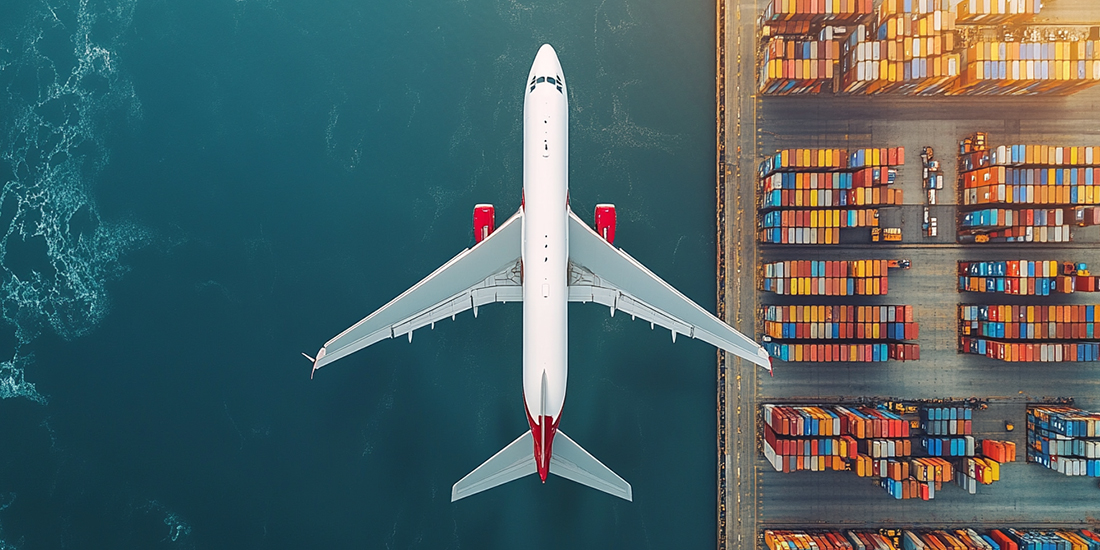 When production stops, every delivery day matters. Delayed components can disrupt schedules and customer commitments. Air freight from China offers a practical solution for urgent commercial shipments. However, choosing the right service requires careful planning. This guide compares standard, priority, and express shipping. You will also learn about flight schedules, customs clearance, and cargo preparation.
-
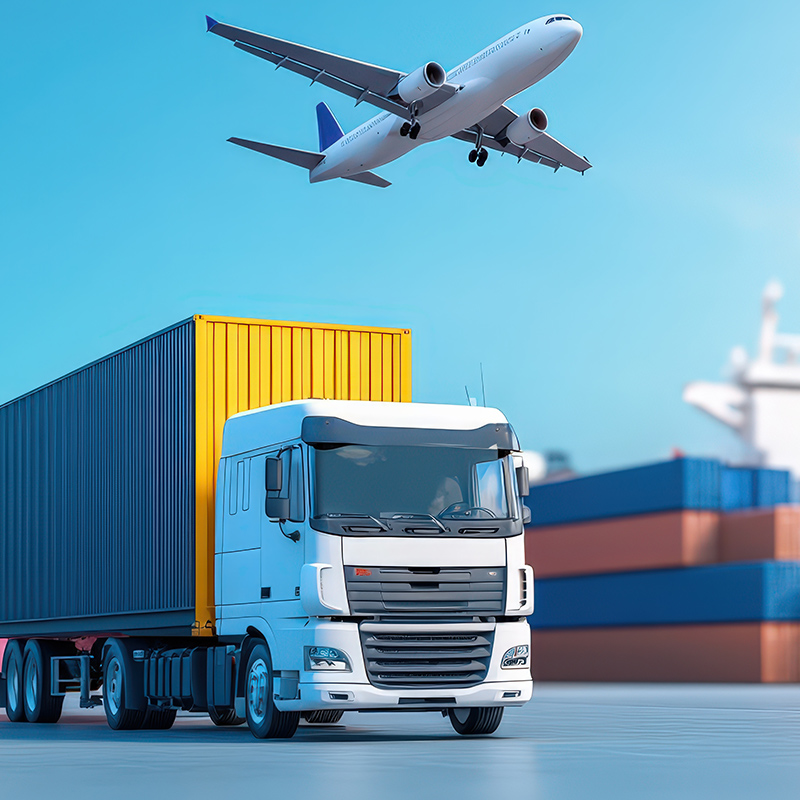 Air freight from China offers speed, but costs can vary significantly. Do you know what determines your final shipping bill? This guide explains air freight cost from China, including per-kilogram rates, chargeable weight, surcharges, and destination fees. Learn how to estimate costs and reduce shipping expenses.
