



Choosing the right shipping method can affect your total import costs. How long does China to USA ocean freight take? This guide explains transit factors, shipping costs, major ports, and FCL versus LCL options. Learn how to plan shipments and manage logistics expenses.
How Long Does China to USA Ocean Freight Take?
China to USA ocean freight transit time depends on the departure port, destination port, carrier, and shipping route. West Coast destinations generally involve different transportation schedules from East Coast destinations. Direct services may also differ from routes requiring transshipment. Importers should distinguish port-to-port transit time from the complete door-to-door delivery period.
Typical Ocean Freight Transit Time From China to the USA
Ocean freight transit time varies according to the selected shipping route and carrier schedule. Departure ports, destination ports, vessel availability, and transshipment arrangements all influence transportation schedules. Therefore, buyers should obtain route-specific information before confirming their shipments.
Port-to-port transit time only covers the main sea transportation stage. It does not necessarily include factory pickup, warehouse processing, export customs clearance, or destination delivery. LCL shipments may require additional time for cargo consolidation and deconsolidation. Door-to-door delivery therefore involves more logistics stages than the vessel's sailing schedule alone.
Importers should request confirmed schedule information before arranging cargo collection. They should also check estimated departure dates and possible transshipment points. If the cargo supports a production line or urgent customer order, allow additional time for unexpected delays.
China to USA West Coast Shipping Time
The West Coast is a major gateway for goods shipped from China. Common departure ports include Shanghai, Ningbo, and Shenzhen. Major US destinations include Los Angeles, Long Beach, and Oakland. These ports serve many importers distributing goods throughout western states.
Pacific shipping routes provide important transportation connections between China and the United States. However, actual arrival schedules depend on vessel arrangements and port operations. Congestion, weather, and terminal conditions can affect delivery planning.
Importers should also consider inland transportation after arrival. A shipment arriving in Los Angeles may still need transportation to another state. Therefore, the closest destination port is not always the most economical choice. Compare ocean freight, terminal handling, and inland delivery together.
China to USA East Coast Shipping Time
The East Coast serves important commercial markets and distribution centers. Major destination ports include New York, Savannah, and Charleston. Importers supplying eastern and southeastern states may find these gateways more convenient.
East Coast shipping routes may involve longer sea transportation distances. Depending on the service, vessels may pass through the Panama Canal or use alternative routing arrangements. Canal conditions, vessel capacity, and carrier schedules can influence transportation time.
The East Coast may still offer better overall logistics value for certain destinations. For example, cargo delivered to a warehouse near New York may require less inland transportation through an East Coast port. Buyers should compare the complete route rather than choosing based only on ocean transit time.
Direct Shipping vs Transshipment
Direct shipping generally involves fewer intermediate port transfers. This can reduce handling stages and make schedule planning easier. However, direct services are not available for every port combination or departure date.
Transshipment means cargo moves through an intermediate port before reaching its final destination. This arrangement may provide more route choices or access to different carrier services. However, each transfer introduces another operational stage. Connection delays or changes in vessel schedules may affect the estimated arrival date.
When comparing shipping services, ask whether the route is direct or involves transshipment. Check the scheduled connection arrangements and the carrier's alternative options. A slightly different route may sometimes provide more suitable departure availability.
What Causes Ocean Freight Delays?
Several operational factors can affect China to USA ocean freight schedules. Port congestion may slow vessel loading or cargo release. Severe weather can also change sailing schedules. In addition, customs inspections and documentation problems may delay cargo clearance.
Peak shipping seasons can create greater demand for vessel space and shipping capacity. This may affect booking availability and departure arrangements. LCL shipments can face additional delays when warehouse consolidation or deconsolidation takes longer than expected.
Importers can reduce avoidable delays through better preparation. Confirm cargo readiness before booking. Submit accurate shipping documents and arrange pickup schedules early. Maintain communication with the logistics provider throughout transportation.
Tip: Plan inventory around the confirmed delivery schedule, not just the advertised vessel departure. Include time for customs clearance and final delivery.
Which Chinese and US Ports Are Used for Ocean Freight?
Port selection affects transportation costs, transit time, and inland delivery expenses. China has several major export ports serving different manufacturing regions. The United States also has multiple coastal gateways. Importers should match departure and destination ports according to supplier locations and final delivery addresses.
Major Departure Ports in China
Shanghai is an important international shipping gateway. It serves manufacturers across eastern China and offers extensive ocean freight connections. Ningbo is another major port, supporting shipments from Zhejiang and surrounding industrial regions. Shenzhen serves manufacturers in southern China and provides access to major international routes.
Other important departure ports include Qingdao, Guangzhou, and Tianjin. Their suitability depends on the supplier's location, cargo requirements, and available carrier services. For example, a manufacturer in northern China may benefit from a northern departure port. A southern factory may find Shenzhen or Guangzhou more practical.
Choosing the nearest port does not always guarantee the lowest total cost. Inland transportation, terminal handling, and vessel availability must also be considered. Buyers should compare different departure options before confirming transportation arrangements.
Major Destination Ports in the United States
US destination ports serve different regional markets. Los Angeles and Long Beach are major West Coast gateways. Oakland also supports cargo distribution throughout California and nearby regions.
New York and Savannah are important East Coast destinations. Houston serves businesses across Texas and the Gulf Coast region. Each port has different inland transportation connections and cargo handling conditions.
The final delivery address should guide port selection. A shipment destined for a warehouse in California may benefit from a West Coast port. Cargo moving to the southeastern United States may be better suited to Savannah. However, actual costs depend on available routes and inland transportation arrangements.
How to Choose the Most Suitable Shipping Route
Choosing a suitable route requires more than comparing port distances. Importers should consider supplier locations, vessel schedules, and final delivery destinations. They should also check whether the selected route supports the required cargo type.
For example, a machinery shipment from Shanghai may have several possible US destination ports. The best option depends on the equipment's final location and unloading arrangements. A lower ocean freight rate may not provide the lowest total logistics cost if inland transportation becomes expensive.
Before booking, compare the complete transportation plan. Include origin pickup, ocean freight, destination charges, and final delivery. This approach helps businesses select routes based on total logistics value.
How Much Does China to USA Ocean Freight Cost?
China to USA ocean freight cost depends on several variables. These include cargo volume, weight, shipping arrangement, departure port, destination port, and carrier availability. Seasonal demand and applicable surcharges can also influence freight quotations. Importers should understand each cost component before comparing service providers. Importers should work with experienced providers offering comprehensive international freight forwarding services to understand the full logistics costs.
Main Factors Affecting Ocean Freight Costs
Cargo volume is an important factor in sea freight pricing. Larger shipments may require dedicated container space, while smaller orders can use shared container space. Cargo weight and dimensions also affect transportation arrangements. Heavy or oversized goods may require special handling.
The shipping route influences the main freight charge. Different port combinations have different carrier services and transportation costs. Seasonal demand can also change available shipping capacity and freight rates. During busy periods, importers may face higher quotations or fewer booking options.
Carrier schedules and service conditions should also be considered. Some quotations include only ocean transportation. Others cover additional origin or destination services. Buyers should identify the exact service scope before comparing prices.
FCL Container Shipping Cost Components
FCL shipping uses dedicated container space for one shipment. This arrangement allows businesses to organize their cargo without sharing the container space with unrelated shipments. The actual container arrangement should depend on cargo dimensions, weight, packaging, and loading requirements.
A complete FCL quotation may include several cost components:
Ocean freight from China to the USA.
Origin transportation and terminal handling.
Export documentation and customs declaration.
Destination terminal handling charges.
Customs brokerage and applicable clearance fees.
Container pickup and inland delivery.
Additional storage or equipment-related charges.
Importers should confirm whether these services are included. Some destination charges are billed separately after vessel arrival. Therefore, comparing only the ocean freight rate may produce an inaccurate budget.
LCL Shipping Cost Calculation
LCL shipping combines cargo from multiple exporters in one shipment. It is useful when a business does not have enough goods to justify booking dedicated container space. Charges commonly depend on cargo volume or weight under the applicable pricing rules.
CBM means cubic meter. It measures the space occupied by cargo. Freight providers use package dimensions to calculate shipment volume. The applicable chargeable quantity depends on the service provider's pricing rules.
LCL costs may include warehouse receiving, consolidation, documentation, and destination deconsolidation. Additional handling charges can affect the final amount. Buyers should request a detailed breakdown before confirming a booking.
Additional Charges Importers Should Consider
The main freight rate does not represent every shipping expense. Importers may also pay documentation fees, customs brokerage charges, terminal handling, and local delivery costs. Cargo insurance may create another expense depending on the selected coverage.
Demurrage and detention charges can apply when cargo or containers exceed the permitted free time. Storage fees may also arise if cargo cannot be collected promptly. These expenses can increase when customs clearance or delivery arrangements are delayed.
A detailed quotation should identify included services and exclusions. Buyers should also confirm how variable charges are calculated. Written clarification helps prevent unexpected expenses after cargo departure.
Tip: Request separate origin, ocean freight, destination, and delivery charges. This makes quotations easier to compare.
FCL vs LCL: Which China to USA Ocean Freight Option Is Better?
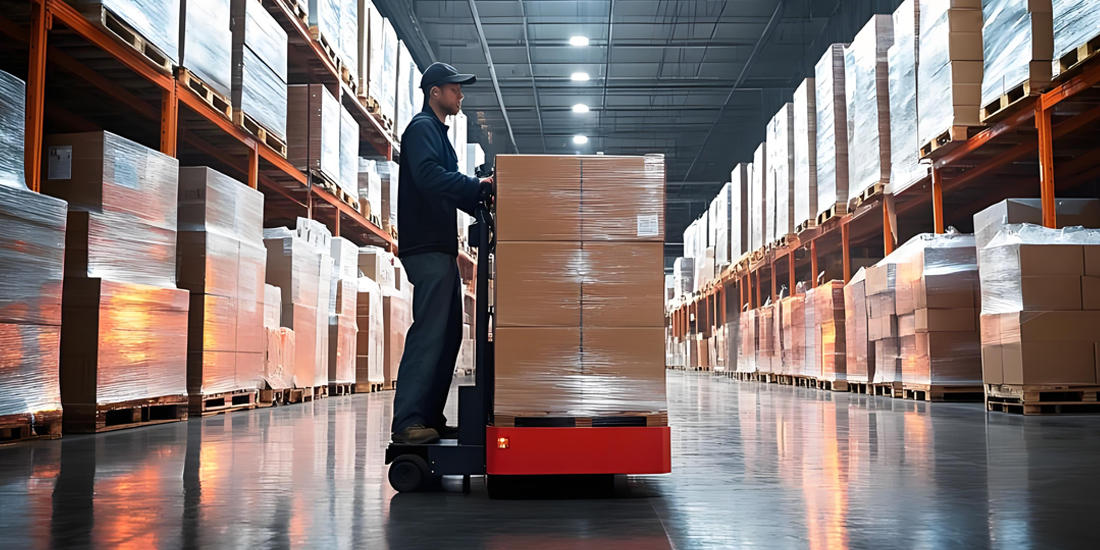
FCL and LCL are two common China to USA ocean freight options. Both support international commercial shipments, but they suit different cargo volumes and purchasing needs. The right choice depends on shipment size, delivery schedules, handling requirements, and total logistics costs. Choosing suitable ocean freight services helps businesses manage cargo transportation and coordinate international shipments.
When Should You Choose FCL Shipping?
FCL shipping is suitable for larger shipments and regular commercial orders. The buyer books dedicated container space for the cargo. This provides greater control over loading and reduces the need for shared-shipment consolidation.
FCL may suit machinery, furniture, building materials, and bulk industrial products. It can also reduce the number of handling stages compared with LCL. Businesses shipping regular orders may benefit from more predictable transportation planning.
However, buyers should consider container utilization. Booking more space than the shipment requires may increase the cost per unit. Confirm cargo dimensions, weight, loading arrangements, and container suitability before booking.
When Is LCL Shipping More Cost-Effective?
LCL shipping suits smaller shipments that do not require dedicated container space. Buyers pay according to the applicable volume or weight calculation rather than booking all available container space. It can also support businesses purchasing goods from multiple suppliers.
For example, an importer purchasing products from several Chinese factories may send all goods to one warehouse. The logistics provider can consolidate compatible cargo into one shipment. This may simplify international transportation and reduce separate booking arrangements.
However, LCL involves additional warehouse handling. Cargo must be consolidated before departure and separated after arrival. These stages may increase handling costs and transit time. Buyers should compare the complete LCL cost against the available FCL options.
FCL and LCL Shipping Comparison
Comparison Factor | FCL Shipping | LCL Shipping |
|---|---|---|
Container space | Dedicated container space | Shared container space |
Suitable cargo | Larger shipments | Smaller shipments |
Pricing basis | Container-based | Volume or weight-based |
Cargo handling | Generally fewer consolidation stages | Additional handling stages |
Loading control | Greater control | Shared loading arrangements |
Main consideration | Space utilization | Handling and destination charges |
Consider a business importing industrial machinery. If the equipment requires dedicated container space, FCL may provide a practical solution. However, a buyer importing smaller product batches may find LCL more suitable.
The best option should be based on the complete logistics cost. Compare ocean freight, warehouse charges, destination handling, and delivery requirements. Do not assume LCL is always cheaper or FCL always offers better value.
What Happens During China to USA Ocean Freight Shipping?
International ocean transportation involves several stages before cargo reaches the buyer. These include supplier collection, warehouse preparation, export customs clearance, vessel transportation, US import clearance, and final delivery. Understanding this process helps importers prepare documents and coordinate their shipments.
Cargo Pickup and Warehouse Consolidation in China
The process often starts when goods are ready at the supplier's factory. A logistics provider arranges pickup and transports the cargo to a designated warehouse or port. For buyers working with multiple manufacturers, warehouse consolidation can simplify shipment coordination.
After receiving the goods, warehouse staff can record package quantities and check visible cargo conditions. Additional services may include sorting, repacking, labeling, and loading preparation. Buyers should provide accurate supplier information and cargo specifications before collection.
Shenzhen Jianfu International Freight Forwarding Co., Ltd. operates more than 10,000 square meters of warehouse space inside and outside Shenzhen bonded areas. Its facilities support storage, loading, unloading, fire protection, and monitoring. The company also uses a modern WMS warehouse management system to support warehouse operations.
Export Customs Clearance and Shipping Documentation
Before cargo leaves China, exporters must complete applicable export customs procedures. Common documents include commercial invoices, packing lists, and transport information. Additional certificates may be required depending on the product and destination.
The freight forwarder can coordinate export documentation and customs declaration services. However, the exporter must provide accurate product descriptions, quantities, and declared values. Incorrect information may lead to customs questions or shipment delays.
After the cargo is loaded, the carrier or its agent issues the relevant transport document. For sea freight, this is generally a Bill of Lading. Buyers should verify consignee details, shipment descriptions, and destination information carefully.
US Import Customs Clearance and Final Delivery
When cargo reaches the United States, the importer must complete applicable entry procedures. US customs requirements depend on product classification, declared value, origin, and other regulatory factors. Importers may work with a customs broker to prepare the required entry information.
Duties and taxes should be confirmed before shipment departure. Some products may also require additional regulatory documentation or inspections. Once customs releases the cargo, it can move to a warehouse or final delivery address.
The final stage may involve cargo pickup, trucking, unloading, and delivery coordination. Door-to-door arrangements can simplify coordination across these stages. However, buyers should confirm the service scope and delivery responsibilities before booking.
Tip: US import requirements depend on the product and applicable regulations. Confirm customs obligations before cargo leaves China.
How Should Importers Choose a China to USA Ocean Freight Service?
A suitable ocean freight service should match the importer's cargo, budget, and delivery requirements. Buyers should compare quotations and evaluate the services included. They should also consider cargo protection, shipment visibility, and coordination capabilities. Shenzhen Jianfu International Freight Forwarding Co., Ltd. provides professional freight forwarder services for international cargo transportation and logistics coordination.
Compare Shipping Quotations and Service Coverage
Request quotations using consistent shipment information. Include cargo dimensions, gross weight, package quantity, pickup location, and US destination. Specify whether you need FCL or LCL shipping. This allows providers to quote against the same requirements.
Compare ocean freight, origin handling, destination charges, and final delivery fees. Confirm whether customs brokerage, warehouse services, and documentation are included. Pay attention to excluded services and possible additional charges.
A low headline rate may not represent the lowest final cost. Some quotations exclude important destination services. Others may include only port-to-port transportation. Buyers should compare the complete logistics package before making a decision.
Evaluate Cargo Insurance and Shipment Tracking
Cargo protection is important during international transportation. Importers should ask about available insurance options and review policy limits. They should also check exclusions, deductibles, and claims procedures.
Shipment tracking helps businesses monitor transportation progress. Ask whether the provider supplies booking confirmations and vessel updates. Confirm how it communicates schedule changes and unexpected delays. Clear communication helps importers prepare warehouse receiving and inventory arrangements.
Choose the Right Shipping Arrangement for Your Business
The right shipping arrangement depends on cargo volume, purchasing frequency, and delivery location. Larger shipments may benefit from FCL. Smaller orders may suit LCL, especially when goods come from multiple suppliers. Businesses should also compare port-to-port and door-to-door services.
Shenzhen Jianfu International Freight Forwarding Co., Ltd. provides international sea freight and air freight agency services. Its business scope also includes domestic transportation, China-Hong Kong transportation, customs clearance agency, and bonded warehousing. The company has more than 30 self-owned freight vehicles, including container trucks and vans. It also works with 20 professional China-Hong Kong transportation vehicles.
These resources support cargo collection and logistics coordination. Buyers should confirm the company's available US routes, destination partners, and specific service arrangements before booking. They should also discuss cargo volume, supplier locations, and final delivery requirements.
Tip: Choose a service based on the full shipping route and actual cargo requirements. Confirm every included service before payment.
Conclusion
China to USA ocean freight requires careful planning. Transit time, shipping costs, ports, and FCL or LCL options all affect delivery efficiency.
Shenzhen Jianfu International Freight Forwarding Co., Ltd. provides sea freight, warehousing, customs clearance, and transportation services. Its warehouse facilities, WMS system, and transport resources support reliable cargo coordination for international buyers.
FAQ
Q: How long does China to USA ocean freight take?
A: Transit time depends on ports, carriers, and shipping routes.
Q: What affects China to USA ocean freight cost?
A: Cargo volume, route selection, seasonal demand, and destination charges affect costs.
Q: Which China to USA ocean freight option is better, FCL or LCL?
A: FCL suits larger shipments, while LCL suits smaller consolidated cargo.
Q: Which US ports receive ocean freight from China?
A: Major ports include Los Angeles, Long Beach, New York, Savannah, and Houston.
Q: How can importers reduce China to USA ocean freight costs?
A: Compare quotations, consolidate cargo, and confirm all destination charges.
Related Blogs
-
 Door to door shipping from China simplifies international logistics. But how can you ensure smooth delivery from factory to destination? Choosing the right shipping method, preparing documents, and understanding customs responsibilities are essential. This guide explains each shipping step, compares sea, air, and express services, and clarifies DDP and DAP terms. Learn how to arrange reliable deliveries and avoid unexpected costs.
-
 When production stops, every delivery day matters. Delayed components can disrupt schedules and customer commitments. Air freight from China offers a practical solution for urgent commercial shipments. However, choosing the right service requires careful planning. This guide compares standard, priority, and express shipping. You will also learn about flight schedules, customs clearance, and cargo preparation.
-
 Air freight from China offers speed, but costs can vary significantly. Do you know what determines your final shipping bill? This guide explains air freight cost from China, including per-kilogram rates, chargeable weight, surcharges, and destination fees. Learn how to estimate costs and reduce shipping expenses.
