



In today’s globalized market, timely delivery of goods is crucial for maintaining business efficiency and customer satisfaction. Freight forwarding companies play a vital role in orchestrating the complex movement of goods across borders, ensuring shipments arrive on schedule. This article explores how freight forwarding companies guarantee on-time freight forwarding by leveraging expert freight forwarder delivery management, advanced freight forwarder tracking, and robust freight forwarding risk management strategies.
Understanding Freight Forwarding and Its Importance
Before diving into delivery management, it’s essential to understand what freight forwarding entails. A freight forwarder acts as an intermediary between the shipper and various transportation services, managing the logistics of moving cargo from the point of origin to the destination. This includes negotiating freight rates, booking cargo space, handling documentation, and coordinating customs clearance.
Efficient freight forwarding delivery is not just about transportation; it’s about seamless coordination among numerous stakeholders to mitigate delays and avoid costly disruptions.
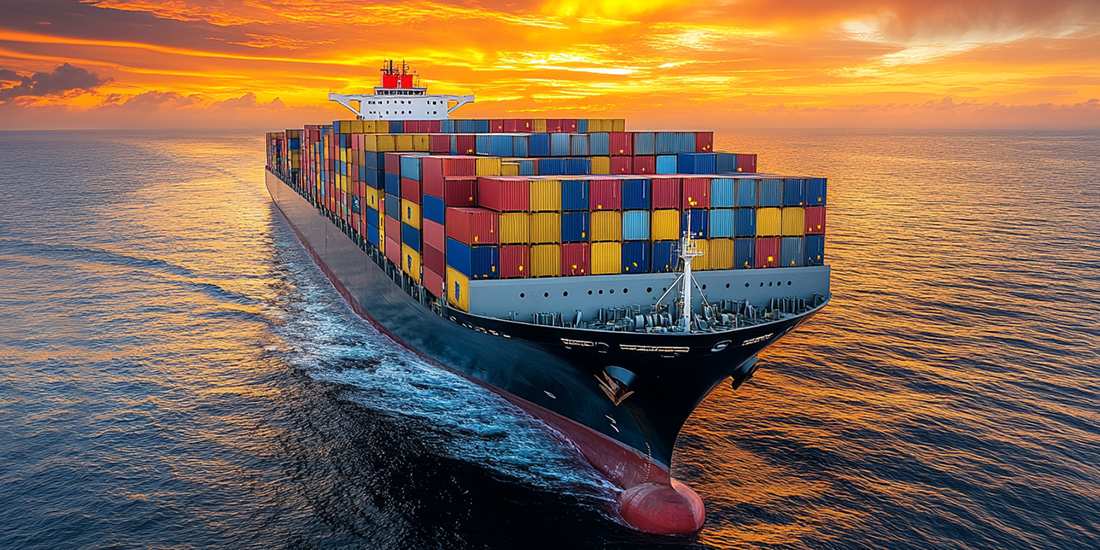
Key Components of On-Time Freight Forwarding
1. Freight Forwarder Delivery Management
Effective freight forwarder delivery management is at the heart of timely shipments. This management encompasses planning, coordination, and execution of each step in the shipping process:
Route optimization: Freight forwarders analyze multiple route options to select the fastest, most reliable, and cost-effective paths.
Carrier coordination: Building strong relationships with carriers ensures priority handling and timely bookings.
Scheduling: Detailed scheduling aligns shipments with carrier availability and customer requirements, reducing idle time.
Contingency planning: Preparing backup plans for common disruptions such as weather or customs delays.
By maintaining tight control over each segment, freight forwarders minimize the risk of missed deadlines.
2. Freight Forwarder Tracking
Modern freight forwarder tracking systems are indispensable tools for maintaining visibility throughout the freight forwarding process. Through real-time GPS tracking, Electronic Data Interchange (EDI), and IoT-enabled sensors, freight forwarders can monitor cargo location, condition, and estimated arrival times.
Benefits of tracking include:
Proactive management of delays or issues.
Transparent communication with customers.
Data analytics to improve future delivery estimates.
Tracking technology ensures accountability and swift problem resolution, critical for meeting delivery timelines.
3. Freight Forwarding Risk Management
Delays can arise from numerous sources: customs inspections, transportation strikes, weather, or documentation errors. Freight forwarding companies implement comprehensive freight forwarding risk management tactics to mitigate these uncertainties:
Compliance expertise: Ensuring all documentation meets international regulations reduces customs clearance delays.
Insurance and claims: Adequate cargo insurance protects against financial loss due to unforeseen events.
Alternative routing: When disruptions occur, rapid rerouting prevents prolonged delays.
Supplier audits: Vetting carriers and warehouses for reliability minimizes operational risks.
A systematic risk management approach safeguards the integrity of the shipping timeline.
Step-by-Step Freight Forwarding Process for On-Time Delivery
To understand how companies maintain punctuality, here’s a breakdown of the typical freight forwarding steps involved:
| Step | Description | Impact on On-Time Delivery |
|---|---|---|
| 1. Shipment Planning | Define shipment requirements, select transport mode | Accurate planning reduces last-minute changes |
| 2. Booking Carrier Space | Secure space with sea, air, or land carriers | Early bookings guarantee availability |
| 3. Documentation Preparation | Prepare necessary customs and shipping documents | Proper docs prevent customs holds |
| 4. Cargo Pickup & Consolidation | Collect goods from shipper and consolidate shipments | Efficient pickup avoids initial delays |
| 5. Transportation & Tracking | Monitor shipment through transit | Real-time tracking enables proactive issue handling |
| 6. Customs Clearance | Submit docs and clear cargo through customs | Smooth clearance avoids port congestion |
| 7. Delivery & Final Mile | Deliver goods to final destination | Coordinated last mile ensures punctual arrival |
Each step requires meticulous attention to detail and coordination to maintain a seamless flow.
Technologies Empowering On-Time Freight Forwarding
Technology adoption is a significant driver behind on time freight forwarding achievements. Here’s how innovations help:
| Technology | Role in On-Time Freight Forwarding |
|---|---|
| Transportation Management Systems (TMS) | Automate planning, carrier selection, and scheduling |
| Warehouse Management Systems (WMS) | Optimize storage, picking, and dispatch processes |
| Real-Time GPS Tracking | Monitor cargo location and provide ETAs |
| Electronic Data Interchange (EDI) | Streamline documentation and customs submission |
| Artificial Intelligence (AI) | Predict potential delays and recommend alternate routes |
Shenzhen Jianfu International Freight Forwarding Co., Ltd., for example, utilizes advanced WMS and TMS platforms to ensure smooth operations across their expansive network and warehouse facilities.
Benefits of On-Time Freight Forwarding
Timely delivery is not just a service feature; it impacts business performance profoundly:
Customer satisfaction: Reliable deliveries build trust and loyalty.
Cost savings: Avoidance of demurrage fees and penalties associated with late shipments.
Inventory management: Just-in-time inventory reduces storage costs and overstock.
Competitive advantage: Companies known for punctuality attract more business.
A freight forwarding company that consistently delivers on time becomes a preferred logistics partner.
Challenges to On-Time Freight Forwarding and Solutions
Despite best efforts, challenges remain. Below is a list of common issues and how freight forwarders address them:
| Challenge | Solution |
|---|---|
| Customs delays | Engage customs brokers, pre-clearance programs |
| Carrier capacity shortages | Build carrier partnerships, book early |
| Weather disruptions | Monitor forecasts, arrange alternate routes |
| Documentation errors | Automated document validation and training |
| Supply chain disruptions | Diversify suppliers and transit points |
By anticipating these risks, freight forwarders minimize delivery interruptions.
FAQ Section
What is the role of a freight forwarder in delivery management?
A freight forwarder manages all logistics aspects from shipment planning, carrier coordination, tracking, to customs clearance, ensuring shipments arrive on time efficiently.
How does freight forwarder tracking improve on-time delivery?
Real-time tracking provides visibility into shipment location and status, allowing for proactive responses to delays or issues.
What are common risks in freight forwarding, and how are they managed?
Risks include customs delays, carrier shortages, and weather. Forwarders mitigate these through compliance expertise, alternate routing, and strong carrier relationships.
Why is technology important in freight forwarding?
Technology automates scheduling, optimizes routes, and improves communication, reducing human error and speeding up processes.
How can businesses ensure their shipments are delivered on time?
Partnering with experienced freight forwarders who have robust delivery management systems and risk mitigation strategies is key.
Conclusion
In an era where supply chain efficiency determines business success, freight forwarding companies play an indispensable role in ensuring shipments arrive punctually. Through expert freight forwarder delivery management, utilization of cutting-edge freight forwarder tracking technologies, and comprehensive freight forwarding risk management, these companies overcome complex challenges to guarantee on-time freight forwarding.
For example, Shenzhen Jianfu International Freight Forwarding Co., Ltd. integrates advanced warehouse management and extensive transportation resources to provide reliable and fast logistics services tailored to customer needs. Such capabilities make freight forwarders not just facilitators but strategic partners in global trade.
Choosing the right freight forwarding partner means investing in timely deliveries, cost savings, and enhanced customer satisfaction. As global trade continues to grow, the role of freight forwarding in driving efficient, punctual supply chains will only become more critical.
Related Blogs
-
 Every international shipment begins with logistics planning, but the real decision often hides inside the documentation process.
 - Questions about Customs Brokerage cost usually come at a very practical stage.
- No importer enjoys uncertainty, especially when delivery schedules depend on clearance. Yet when businesses ask how long Customs Brokerage takes, they often expect a universal timeline that applies to every shipment.
