



Global supply chains face unprecedented volatility in today's highly interconnected markets. Border delays are no longer just minor logistical inconveniences. Instead, they act as direct hits to your profit margins and inventory holding costs. For growing B2B enterprises, managing cross-border compliance in-house often introduces severe operational risks. Companies frequently encounter hidden demurrage fees or suddenly face unexpected regulatory audits. The heavy burden of navigating complex legal frameworks distracts internal teams from core business goals. Transitioning from reactive internal processing to utilizing Customs Clearance Services fundamentally shifts your compliance posture. It transforms a logistical liability into a strategic financial advantage. In this article, you will discover how outsourcing border protocols protects your working capital. We will explore five key benefits of leveraging specialized agents. You will learn to optimize duty costs, lower holding expenses, and build a highly resilient global supply chain network.
Key Takeaways
Professional customs clearance services directly optimize financial efficiency by utilizing duty drawback programs and preferential trade agreements.
Outsourcing complex documentation mitigates severe financial risks, including demurrage fees, cargo seizures, and compliance penalties.
Accelerated border processing inherently lowers inventory carrying costs and strengthens supply chain resilience.
Specialized agents eliminate classification guesswork for highly regulated industries (e.g., pharmaceuticals, cosmetics, perishables).
Selecting the right partner requires evaluating their PGA (Partner Government Agency) coordination experience and real-time tracking infrastructure.
Benefit 1: Regulatory Compliance and Severe Risk Mitigation
Incomplete or inaccurate documentation remains the primary catalyst for severe supply chain delays. Routine errors on a commercial invoice often trigger costly consequences. You might face unexpected cargo seizures, intensive customs audits, or rapidly mounting demurrage fees. Border authorities strictly enforce compliance regulations. They do not accept simple administrative oversights as valid excuses for non-compliance.
Professional agents serve as your ultimate compliance firewalls. They assume the heavy burden of accurately processing commercial invoices, bills of lading, and certificates of origin. These experts meticulously review every data point before submission. They verify product descriptions, weights, and country of origin declarations. This proactive approach eliminates common entry errors. It significantly reduces your exposure to financial penalties.
Implementation success extends far beyond basic customs entry. It requires fluid, continuous coordination with multiple Partner Government Agencies (PGAs). Experts ensure goods cross borders without bureaucratic friction. They routinely interact with agencies like the FDA or EPA. This interaction prevents shipments from stalling in quarantine facilities.
Commercial Invoices: Must contain exact item descriptions and precise transaction values.
Certificates of Origin: Crucial for claiming preferential tariff rates legally.
Packing Lists: Must perfectly match the physical cargo layout for smooth physical inspections.
PGA Declarations: Required for regulated items to clear specific health and safety standards.
Benefit 2: Financial Efficiency and Duty Cost Optimization
Companies relying on generalized internal knowledge frequently overpay on tariffs. You might also suffer unexpected tax reassessments. These financial hits typically occur due to incorrect Harmonized System (HS) code applications. A single misclassified digit can shift a product into a much higher tax bracket. This completely eroding your expected profit margins.
Engaging Professional Customs Clearance Services resolves this costly problem. Specialized experts apply precise valuation methods. They optimize your tax burdens legally and transparently. Brokers analyze your specific product catalogs in great detail. They map each item to the most favorable legal classification code available.
Expert brokers actively identify capital recovery opportunities. They utilize duty drawback programs efficiently. They also master the strategic application of preferential trade agreements. This process converts a pure operational cost into an optimized financial workflow. You recover previously paid duties on eligible exported goods. It drastically improves your bottom-line performance.
Operational Area | In-House Management Approach | Professional Brokerage Advantage |
|---|---|---|
Tariff Classification | Prone to generalized guessing and overpayment. | Precise HS code mapping for optimal duty rates. |
Penalty Exposure | High risk of fines from unexpected audits. | Proactive compliance shields against costly penalties. |
Capital Recovery | Rarely utilizes duty drawback programs. | Actively identifies and claims tax exemptions. |
Benefit 3: Accelerated Supply Chain Velocity and Lower Holding Costs
Unpredictable customs holds force companies to maintain excessive safety stock. This defensive practice drastically inflates inventory carrying costs. It also ties up valuable working capital in static warehouses. When shipments sit idle at ports, your cash flow suffers immensely. Businesses cannot accurately forecast product availability without reliable border transit times.
Established customs brokers maintain routine, professional interactions with border authorities. They utilize advanced electronic data interchange (EDI) systems effectively. These digital tools allow them to pre-clear shipments long before arrival. They submit necessary data packets electronically while vessels are still in transit. This modern approach bypasses manual paperwork queues entirely.
Reduced transit times allow for much leaner inventory models. You can confidently reduce your safety stock buffers. This operational outcome fundamentally strengthens supply chain resilience. You become better equipped against geopolitical or localized disruptions. Faster velocity means products reach your customers precisely on schedule.
Benefit 4: Elimination of "Guesswork" in Complex Cargo Classification
Highly regulated commodities face intense scrutiny at international borders. Items such as pharmaceuticals, food items, and beauty care products demand strict oversight. They are subject to frequent, unannounced regulatory shifts. Furthermore, these categories often face stringent quota limitations. Managing these variables internally is extremely challenging.
Specialized brokers provide continuous monitoring of volatile tariff fluctuations. They constantly track shifting international trade laws across different jurisdictions. Brokers adapt quickly to new import restrictions or updated safety protocols. They update your entry documents long before authorities enforce new rules.
By eliminating classification guesswork, businesses avoid catastrophic financial scenarios. You prevent having a shipment reclassified unexpectedly at the port of entry. Such a reclassification can instantly obliterate the projected logistics budget for that cargo. Certainty in classification secures your landed cost calculations accurately.
Conduct Catalog Audits: Brokers review your entire product line for compliance gaps.
Map HS Codes: Specialists assign precise tariff codes to each distinct commodity.
Monitor Trade Agreements: Teams track shifts in bilateral treaties impacting your goods.
Update Customs Data: Agents immediately adjust declarations to reflect new legal standards.
Benefit 5: Protected Downstream Vendor Reputation and Customer Service
In modern B2B and B2C markets, end-clients penalize late deliveries severely. Supply chain bottlenecks at the border directly jeopardize contract renewal rates. Buyers heavily weigh vendor reliability during their annual procurement reviews. If your cargo frequently stalls in customs, your reputation takes a massive hit.
Outsourcing the bureaucratic friction of border clearance solves this dilemma. It ensures highly consistent, predictable delivery schedules. Reliable transit times protect your rigid Service Level Agreements (SLAs). Brokers manage the invisible administrative hurdles efficiently. This keeps physical freight moving smoothly from port to final destination.
Companies can refocus internal resources on core revenue-generating activities. Your teams can prioritize manufacturing, sales, and customer retention strategies. You no longer need staff chasing customs officials for status updates. The broker ensures terminal delivery timelines remain rigorously protected.
Chart: Impact of Clearance Delays on Delivery SLAs | ||
Delay Duration | SLA Impact Status | Business Consequence |
|---|---|---|
0-12 Hours | Normal / Within Buffer | None. Delivery schedule maintained. |
1-3 Days | At Risk / Minor Breach | Customer dissatisfaction, minor fee penalties. |
4+ Days | Critical SLA Failure | Lost contracts, heavy demurrage, damaged reputation. |
Decision Framework: Shortlisting the Right Professional Customs Clearance Services
Evaluating expertise is your crucial first step in finding a partner. Verify their verified track record in your specific commodity category. Assess their proven ability to navigate relevant PGAs smoothly. A broker experienced in electronics might struggle heavily with perishable agricultural goods. Demand specific case studies relevant to your exact industry vertical.
Next, you must carefully assess their technology infrastructure. Look for native integration of real-time tracking platforms. They must offer robust 24/7 shipment visibility. You need instant milestone reporting sent directly to your logistics dashboard. Outdated spreadsheet tracking methods are no longer acceptable in modern trade environments.
Finally, ensure the provider possesses true global network scalability. Ensure they hold the localized relationships necessary for crisis management. Strong local ties allow agents to quickly reroute shipments during sudden geopolitical disruptions. These connections are vital during unexpected port strikes or severe weather events.
Conclusion
Professional customs clearance is not a mere administrative toll. It acts as a critical instrument for financial optimization. It provides robust legal protection and drives exceptional operational speed. By outsourcing these complex border procedures, you eliminate costly guesswork. You transform regulatory hurdles into a streamlined competitive advantage.
Encourage your decision-makers to audit your current border-delay costs immediately. Review your past demurrage expenditures over the last fiscal year. Use these figures to establish a concrete baseline. This data makes evaluating a professional brokerage partnership highly straightforward and objective. Take action today to protect your supply chain velocity.
FAQ
Q: Does hiring a customs broker eliminate the importer's legal liability?
A: No. The importer of record ultimately holds all legal liability for customs declarations. This reality is exactly why partnering with an established broker is paramount. A skilled agent applies rigorous compliance frameworks to ensure accurate documentation. While you retain liability, a reliable broker drastically minimizes your exposure to unexpected audits and cargo seizures.
Q: How do professional customs clearance services impact overall freight costs?
A: Engaging an agent involves a service fee, but the net cost is typically much lower. Experts actively avoid expensive demurrage fees and storage penalties. They apply optimized tariff classifications and leverage available tax exemptions. By utilizing duty drawback programs, these services effectively pay for themselves through optimized financial workflows.
Q: How long does it take to onboard a new customs clearance provider?
A: The onboarding timeline typically ranges from a few days to two weeks. You begin by signing a Power of Attorney to authorize legal representation. Next, you share your product catalogs for precise HS code mapping. Finally, the provider establishes secure EDI connections. Comprehensive upfront documentation significantly accelerates this transition period.
Related Blogs
-
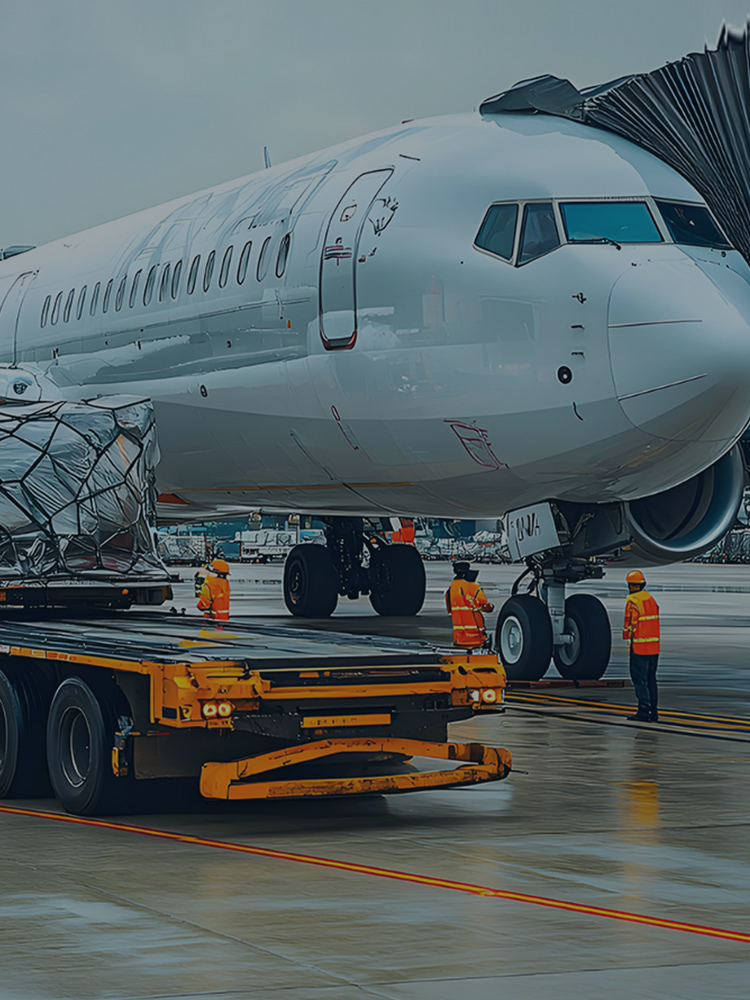 Comparing freight options purely on baseline quotes often leads to severe margin erosion. Small businesses frequently fall into this trap. You see an attractive initial estimate, but hidden fees quickly ruin your profit margins.
 -
 Global supply chains face unprecedented volatility in today's highly interconnected markets. Border delays are no longer just minor logistical inconveniences. Instead, they act as direct hits to your profit margins and inventory holding costs.
 -
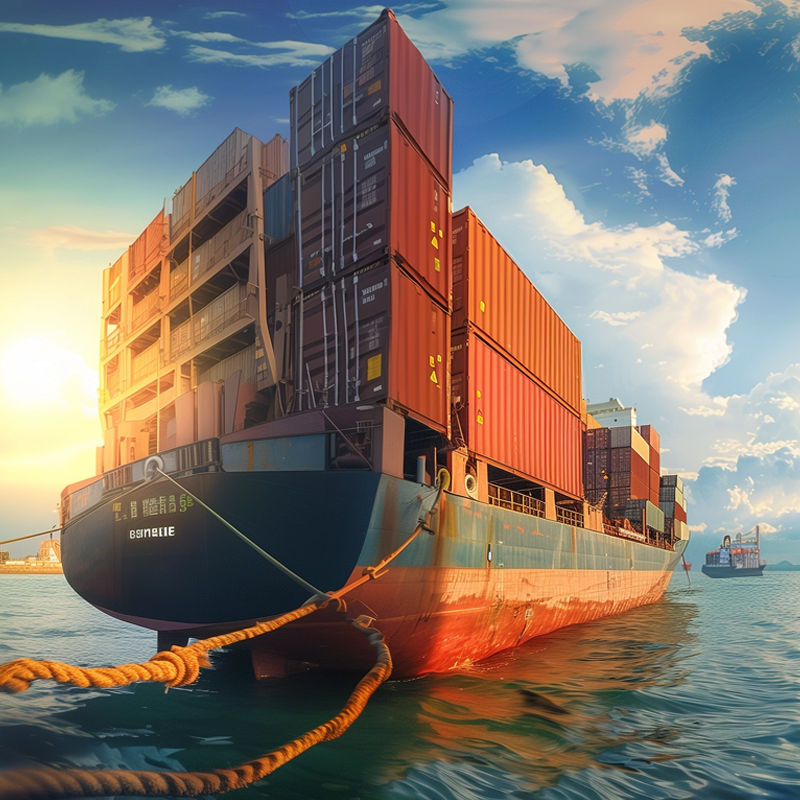 Global supply chain volatility constantly forces us to rethink our foundational logistics strategies. Choosing between air and ocean routes is no longer a simple debate over speed versus cost. Modern shipping realities demand a much deeper analysis.
