



Global supply chain volatility constantly forces us to rethink our foundational logistics strategies. Choosing between air and ocean routes is no longer a simple debate over speed versus cost. Modern shipping realities demand a much deeper analysis. Effective decision-making means you must carefully evaluate Total Landed Cost (TLC) instead of just checking base rates. You also need to weigh critical opportunity costs like stockouts against physical handling risks and tightening environmental compliance standards.
This comprehensive guide provides an evidence-based framework specifically designed for supply chain managers. You will learn exactly when to leverage a Maritime Transport Service for maximum efficiency. We also reveal when paying the steep premium for air freight makes commercial sense, and when combining both methods yields the best overall results. By mastering these evolving dynamics, you can confidently optimize your global operations and protect your profit margins.
Key Takeaways
Cost vs. Value: Air freight is typically economically viable only when shipping costs represent less than 15–20% of the total cargo value.
Weight Thresholds: Shipments over 500kg heavily favor maritime transport, while those under 150kg are generally optimized for air.
Hybrid Viability: Advanced supply chains increasingly use split shipments (e.g., 20% air for immediate inventory, 80% sea for baseline stock) to balance speed and budget.
ESG Realities: Maritime transport emits exponentially less CO2 per kilometer, making it the default for companies with strict sustainability mandates.
1. Core Economics: Cost Benchmarks & Weight Thresholds
The Volumetric vs. Actual Weight Dynamic
Air freight relies strictly on volumetric weight calculations. Airlines heavily penalize low-density, high-volume goods. Every inch of space matters inside an aircraft fuselage. If you ship bulky items, airlines charge based on dimensional weight rather than actual scale weight. This pricing model destroys margins for lightweight but large products.
Ocean freight offers a massive raw capacity advantage. Standard heavy-lift air freighters cap out around 250 tons. Conversely, modern container ships routinely exceed 400,000 tons of capacity. This sheer scale allows ocean carriers to price shipments by container volume rather than strict weight metrics. You can fill a shipping container fully without triggering exponential weight penalties.
Actionable Weight Thresholds for Shortlisting
Logistics managers often use strict weight thresholds to simplify initial route planning. We recommend following these three standardized brackets:
Under 150kg: Express or standard air freight typically proves most economical. Ocean freight base charges make small loads disproportionately expensive.
150kg to 500kg: We call this the "gray zone." Your final decision depends entirely on transit urgency versus base cost limits.
Over 500kg: A Maritime Transport option becomes the mathematically superior choice for heavy cargo.
Evaluating Total Landed Cost (TLC)
Base rates deceive many inexperienced procurement teams. You must evaluate Total Landed Cost (TLC) to find actual logistics expenses. Ocean shipping carries multiple secondary costs. Carriers routinely add the Bunker Adjustment Factor (BAF) to offset fuel price volatility. Ports also apply International Ship and Port Facility Security (ISPS) surcharges. Delays easily trigger devastating port demurrage fees.
Aviation logistics carries its own hidden fees. High terminal handling charges impact air freight budgets significantly. You also pay extreme premiums for final-mile delivery from airports. You must map every hidden surcharge before making a final vendor selection.
2. Speed vs. Supply Chain Resilience (Transit Realities)
Baseline Transit Comparisons
Door-to-door transit times vary wildly depending on your chosen modality. Standard transpacific routes highlight this gap clearly. Air freight typically requires 8 to 10 days for complete door-to-door delivery. Standard ocean freight demands 30 days or more. Customs clearance, port congestion, and drayage add unpredictable delays to ocean schedules.
The Opportunity Cost of Slow Shipping (ROI Perspective)
Comparing logistics invoices rarely tells the full commercial story. You must calculate "Stockout Cost" during inventory shortages. Consider a high-margin tech product launch. Missing opening weekend sales causes massive revenue loss. Rapid market-entry via air freight prevents this disaster. Securing early market share far outweighs a $3,000 logistics premium. Faster shipping essentially buys revenue protection.
Vulnerability to Black Swan Events
Ocean logistics suffers from extreme physical vulnerabilities. Global trade heavily relies on specific geopolitical chokepoints. Canal droughts halt vessel traffic for weeks. Sudden bridge collapses block major ports indefinitely. Ocean schedules lack agility during these global crises.
Air cargo delivers high reliability during geopolitical disruptions. Planes fly over localized infrastructure failures easily. Airlines offer Next Flight Out (NFO) flexibility for urgent recoveries. This unmatched agility protects vulnerable supply chains during widespread maritime delays.
The Middle Ground: Expedited LCL
Expedited Less-than-Container Load (LCL) services offer a powerful hybrid solution. Carriers prioritize Expedited LCL boxes during loading and unloading procedures. They also utilize faster truck networks upon port arrival. This service delivers faster transit times than standard ocean routes. It also costs significantly less than traditional air transport. Supply chain leaders use Expedited LCL to bridge critical inventory gaps.
3. Cargo Constraints: Security, Compliance, and Handling Risks
Physical Handling and Damage Rates
Air transport involves surprisingly few physical touchpoints. Airport ground crews move pallets directly into cargo holds. This streamlined process reduces impact damage significantly. High-precision medical instruments and fragile electronics survive air travel easily. Ocean shipping exposes cargo to prolonged physical stress. Continuous ship sway and deep-sea moisture attack goods relentlessly. You must invest heavily in specialized anti-shock and anti-corrosion packaging for ocean journeys.
Hazardous Materials (HAZMAT) Strictness
Aviation authorities restrict dangerous goods aggressively. Inspectors frequently reject seemingly harmless commercial items. Localized perfumes contain flammable alcohol. Consumer electronics contain high-risk lithium batteries. High-end speakers contain strong magnetic fields. Airlines ban or heavily restrict these hidden hazards.
Ocean vessels handle these goods safely and legally. Maritime transport operates as the necessary default for bulk chemicals. Ocean carriers accept complex HAZMAT goods daily. They offer specialized chemical containment procedures far superior to aviation protocols.
Temperature-Controlled & Live Cargo
Air cargo dominates the strict cold-chain environment. Pharmaceuticals and biologics demand minimal transit times. Temperature deviations destroy vaccine batches instantly. Aviation cold-chain protocols offer high regulatory oversight. High-tier live animal transport also relies on aviation speed. Short travel times reduce animal stress significantly. Airlines provide specialized attendants to ensure maximum cargo safety during flight.
4. The ESG Mandate: Comparing Carbon Footprints
Quantifying the Emissions Gap
Corporate sustainability goals heavily influence modern logistics choices. Measuring the actual emissions gap clarifies this dynamic instantly. Consider modeling a standard 2-ton shipment traveling over 5,000 kilometers. This exact route produces exponentially higher CO2 via aviation. Aircraft generate roughly 40x to 50x more greenhouse gases compared to ocean vessels. This stark reality forces eco-conscious brands toward ocean networks.
Green Logistics Trajectories (Future-Proofing)
Both logistics sectors push toward greener operational models. The aviation industry transitions slowly toward sustainability. Airlines test Sustainable Aviation Fuel (SAF) mixed into traditional tanks. Engineers also design aerodynamic drag-reduction technology for newer cargo planes. However, scaling these solutions remains highly expensive.
The maritime industry moves much faster regarding emissions reductions. Ocean carriers actively implement "Slow Steaming" protocols to cut fuel burn. Fleets increasingly utilize LNG alternatives instead of dirty bunker fuel. Advanced routing AI helps captains avoid rough weather, saving massive fuel volumes. These ongoing innovations firmly maintain the ocean sector's position as the most eco-friendly mass-transit logistics method.
5. Decision Framework: Choosing the Right Logistics Strategy
The Industry Alignment Matrix
Different industries require vastly different logistics frameworks. Adopting a competitor's strategy often causes severe budget overruns. We summarized industry-specific logistics behaviors in the matrix below.
Industry Sector | Product Characteristics | Primary Logistics Mode | Strategic Rationale |
|---|---|---|---|
Consumer Electronics & Pharma | High value-to-weight ratio, rapid obsolescence, strict temps. | Air Freight | Minimizes inventory depreciation and prevents market stockouts. |
Automotive Parts & Machinery | High bulk, extreme weight, predictable demand cycles. | Maritime Transport | Protects profit margins through massive scale and predictable routing. |
Fashion & Apparel | Seasonal trends, variable margins, moderate density. | Hybrid (Air + Sea) | Uses air for fast fashion launches, ocean for baseline catalog items. |
Incoterms and Risk Allocation
International Commercial Terms (Incoterms) fundamentally shift insurance liability. They dictate exactly when financial risk transfers from seller to buyer. These terms heavily influence your choice of transport mode. Under Free on Board (FOB) terms, buyers assume risk once cargo crosses the ship's rail. Cost, Insurance, and Freight (CIF) requires sellers to purchase baseline maritime insurance. Delivered Duty Paid (DDP) forces sellers to cover all risks until final delivery. High-risk transfer points often push buyers toward faster, more secure aviation routes.
Implementing a Hybrid Logistics Strategy
Smart procurement managers rarely limit themselves to a single transportation mode. Combining both methods mitigates risk entirely. We recommend two specific hybrid strategies:
Component Splitting: Manufacturing assembly lines use this strategy daily. Consider a global furniture manufacturer. They ship heavy bulk components like wooden frames via ocean containers. Simultaneously, they send precise or fragile glass components via air freight. The parts meet exactly at the destination assembly point.
Volume Splitting: Supply chains use this tactic during unexpected demand spikes. You fulfill an urgent purchase order by sending 20% of the inventory via air immediately. This prevents immediate retail stockouts. You simultaneously float the remaining 80% via ocean containers. This preserves your overall profit margin while keeping retail shelves stocked.
Conclusion
Optimizing your global supply chain requires deep analytical flexibility. The optimal choice between aviation and ocean routes is rarely absolute. Finding success requires aligning your product's lifecycle perfectly against market demands. Always apply the 15-20% value threshold rule before booking expensive flights. Furthermore, you must aggressively align your logistics decisions alongside enterprise ESG goals to maintain corporate compliance.
Your next steps involve immediate financial auditing. First, audit your current landed costs across all active trade lanes. Next, evaluate your actual inventory carrying costs during long ocean transits. Finally, consult a reliable logistics partner. Request a multi-modal cost-benefit analysis to identify hidden savings. Taking these actions protects your margins against unpredictable global shocks.
FAQ
Q: What is the 15-20% rule in air freight?
A: The 15-20% rule serves as a standard economic baseline for logistics planning. It states you should only use air transport if the total freight cost remains below 15% to 20% of the cargo's overall retail value. Exceeding this ratio destroys profit margins quickly.
Q: Is maritime transport always cheaper than air freight?
A: No. Ocean shipping carries high minimum base fees. If your shipment weighs under 150kg, ocean port fees and document charges make it inefficient. Air freight frequently costs less overall for very small, lightweight cargo shipments.
Q: How do Incoterms affect my choice between air and sea shipping?
A: Incoterms define exactly where financial risk and insurance liability transfer from the seller to the buyer. Terms like CIF or DDP shift heavy financial burdens. If sellers hold long-term liability during slow ocean voyages, they might prefer faster air transport to transfer risk quickly.
Q: What are the hidden costs of maritime transport services?
A: Base ocean rates exclude several expensive secondary charges. You frequently encounter port handling fees and the Bunker Adjustment Factor (BAF) for fuel. Unexpected delays trigger severe port demurrage and detention penalties, which multiply rapidly per day.
Related Blogs
-
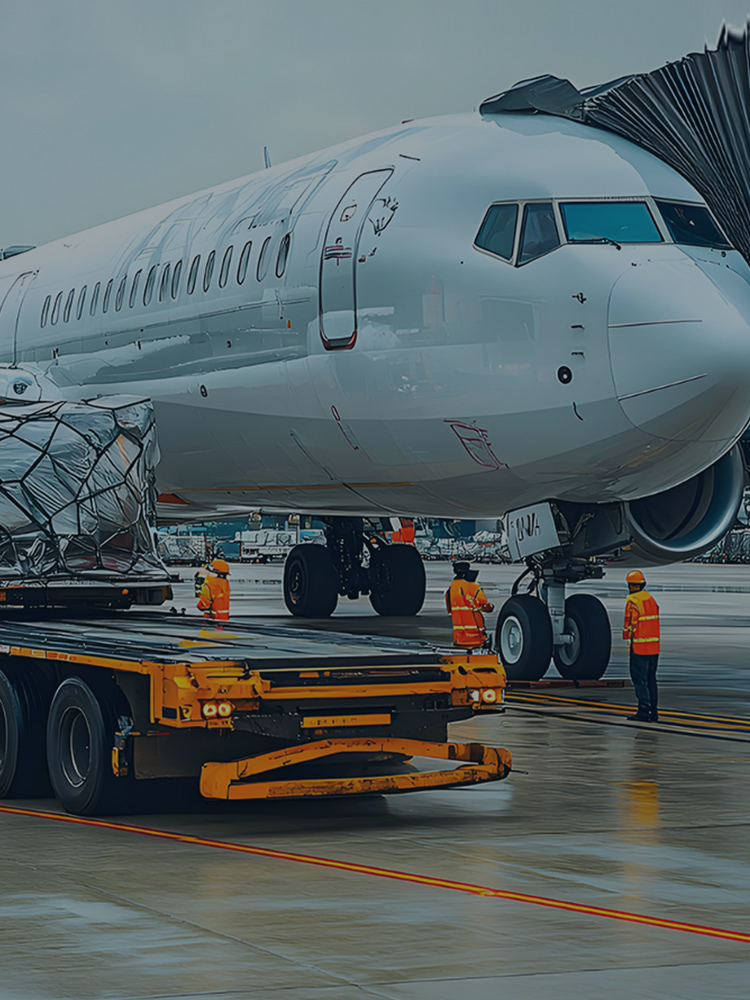 Comparing freight options purely on baseline quotes often leads to severe margin erosion. Small businesses frequently fall into this trap. You see an attractive initial estimate, but hidden fees quickly ruin your profit margins.
 -
 Global supply chains face unprecedented volatility in today's highly interconnected markets. Border delays are no longer just minor logistical inconveniences. Instead, they act as direct hits to your profit margins and inventory holding costs.
 -
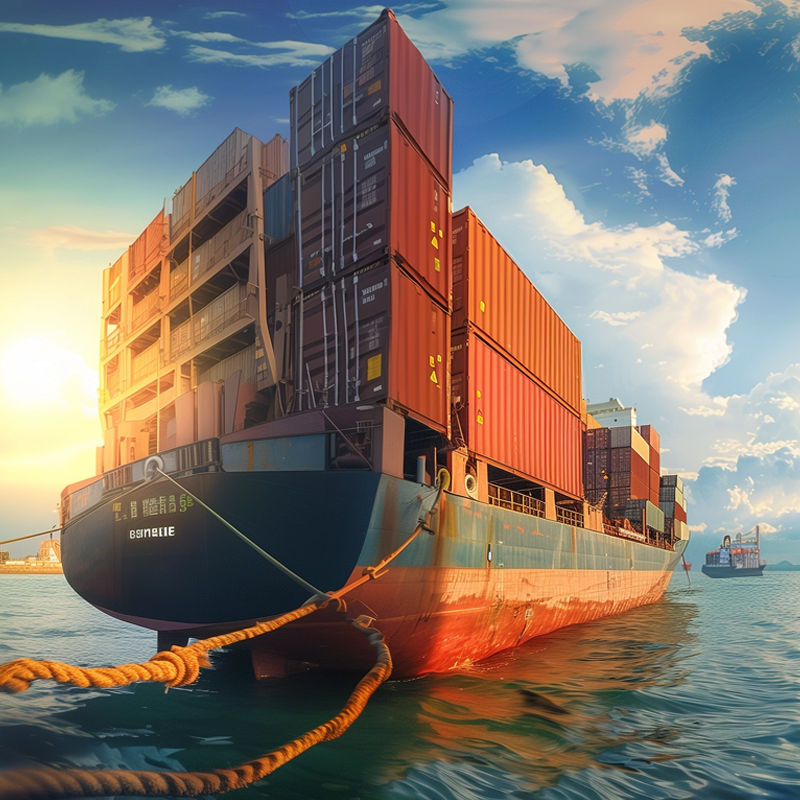 Global supply chain volatility constantly forces us to rethink our foundational logistics strategies. Choosing between air and ocean routes is no longer a simple debate over speed versus cost. Modern shipping realities demand a much deeper analysis.
