



In the global economy, efficient and reliable movement of goods is vital for businesses to thrive. Understanding how freight forwarding works is key to navigating international trade and supply chain logistics effectively. This article delves deep into the freight forwarding process, the key freight forwarding steps, and the detailed operations involved in freight forwarder operations. Whether you're a business owner, logistics professional, or just curious about how your products move across borders, this comprehensive guide will clarify the complexities of freight forwarding.
Understanding Freight Forwarding
At its core, freight forwarding is the coordination and shipment of goods from one place to another using various carriers, modes, and logistics solutions. Unlike direct carriers that own transportation assets like trucks or ships, freight forwarders act as intermediaries, arranging for the transportation, customs clearance, warehousing, and delivery of cargo.
A freight forwarder manages and oversees the entire process, ensuring goods reach their destination efficiently, cost-effectively, and in compliance with regulations. This role involves detailed coordination between multiple parties, including shipping lines, airlines, customs officials, warehouses, and trucking companies.
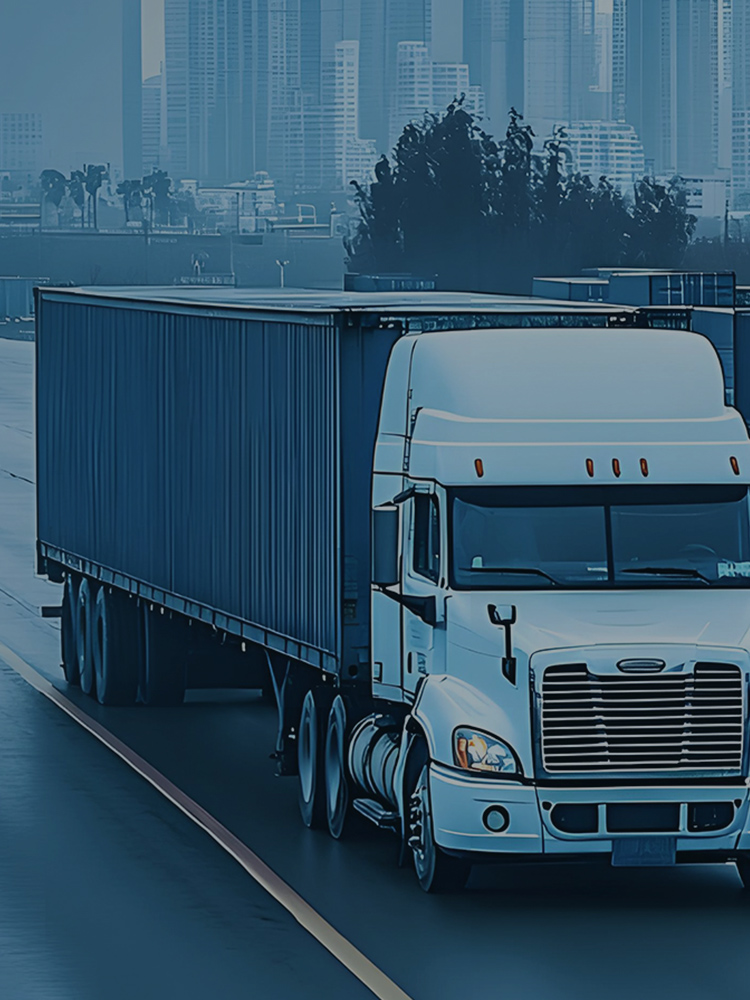
The Freight Forwarding Process
The freight forwarding process can be complex, with many moving parts that must work seamlessly. Here’s an overview of the typical flow involved in freight forwarding:
| Step Number | Freight Forwarding Step | Description |
|---|---|---|
| 1 | Cargo Booking | The shipper requests the freight forwarder to arrange transportation based on the shipment details. |
| 2 | Documentation Preparation | The freight forwarder prepares and verifies essential documents such as the Bill of Lading, commercial invoice, and packing list. |
| 3 | Cargo Pickup and Packaging | The forwarder arranges pickup from the supplier and ensures proper packaging to protect goods in transit. |
| 4 | Customs Clearance (Export) | Documentation and clearance for goods leaving the origin country, complying with export regulations. |
| 5 | Main Transport Arrangement | Booking space on vessels, aircraft, or trucks for the main leg of the journey. |
| 6 | Transit and Tracking | The freight forwarder monitors cargo during transit, providing updates and managing any delays. |
| 7 | Customs Clearance (Import) | Handling import documentation and ensuring goods clear customs at the destination country. |
| 8 | Delivery to Final Destination | Coordinating final mile transportation to the consignee or warehouse. |
| 9 | Post-shipment Support | Includes cargo insurance claims, returns processing, and customer service. |
Detailed Freight Forwarding Steps Explained
Each step in the freight forwarding process involves specialized tasks and expertise to ensure the smooth flow of goods.
1. Cargo Booking
Once a business decides to ship goods internationally, they contact a freight forwarder to arrange the shipment. The forwarder assesses the cargo details, including weight, volume, type, origin, and destination, and offers a tailored logistics solution. This includes choosing the appropriate shipping mode—air, sea, rail, or road.
2. Documentation Preparation
Proper documentation is the backbone of international shipping. Freight forwarding steps include preparing and managing documents such as:
Bill of Lading (B/L): A legal document issued by the carrier, serving as proof of shipment.
Commercial Invoice: Details transaction information between buyer and seller.
Packing List: Lists the contents, dimensions, and weight of each package.
Export/Import Licenses: Where required by governments.
Certificates of Origin: Proves where the goods were produced.
Freight forwarders ensure these are accurate and compliant with destination country regulations to avoid delays.
3. Cargo Pickup and Packaging
The freight forwarder arranges the pickup of goods from the supplier or factory. Proper packaging is essential for cargo safety. Forwarders may provide packaging services or guidelines to ensure compliance with international shipping standards.
4. Customs Clearance (Export)
Before goods leave the origin country, the freight forwarder handles export customs clearance. This involves submitting necessary paperwork and paying any applicable export duties. Compliance with customs laws helps avoid confiscations or penalties.
5. Main Transport Arrangement
Selecting the right carrier and booking shipment space is a critical freight forwarding operation. Factors such as cost, speed, cargo type, and destination infrastructure influence the choice. Freight forwarders leverage their networks to secure the best routes and competitive rates.
6. Transit and Tracking
During transit, freight forwarders monitor the shipment’s progress, providing updates to shippers and consignees. Advanced tracking technologies enable real-time visibility, allowing proactive management of delays or issues.
7. Customs Clearance (Import)
Upon arrival at the destination port or airport, the freight forwarder arranges import customs clearance. This includes verifying documentation, paying import duties and taxes, and ensuring compliance with local regulations.
8. Delivery to Final Destination
After clearance, the freight forwarder organizes transport from the port or airport to the final destination, whether a warehouse, distribution center, or retail outlet. This final step often involves local trucking or courier services.
9. Post-shipment Support
Good freight forwarders provide after-sales support, including handling claims for lost or damaged goods, managing returns, and resolving any disputes. This service ensures customer satisfaction and repeat business.
Freight Forwarder Operations: Key Functions
The daily operations of a freight forwarder involve numerous coordinated activities that enable the freight forwarding process to run smoothly. Here are the core functions involved in freight forwarder operations:
| Operation | Description |
|---|---|
| Route Planning | Designing the most efficient and cost-effective shipment path. |
| Carrier Negotiations | Securing best rates and booking cargo space with shipping companies. |
| Regulatory Compliance | Ensuring shipments meet import/export laws and customs requirements worldwide. |
| Cargo Consolidation | Combining smaller shipments to reduce shipping costs. |
| Warehousing and Storage | Providing storage facilities, including bonded warehouses for duty-free storage. |
| Risk Management | Offering cargo insurance and handling claims related to loss or damage. |
| Information Management | Maintaining documentation, tracking data, and customer communication. |
| Customer Service | Providing clients with shipment updates, problem resolution, and logistical advice. |
Freight Forwarding Process: Advantages for Businesses
Utilizing professional freight forwarding services offers several strategic advantages, summarized as follows:
| Advantage | Explanation |
|---|---|
| Expertise and Experience | Forwarders possess in-depth knowledge of shipping regulations and logistics networks. |
| Time and Cost Efficiency | They optimize routes and handle paperwork, saving clients valuable time and money. |
| Risk Reduction | Freight forwarders manage risks by securing insurance and ensuring compliance. |
| Scalability | Forwarding services can grow with your business needs, handling various cargo types and volumes. |
| End-to-End Visibility | Real-time tracking and communication provide transparency and confidence. |
| Custom Solutions | Tailored logistics solutions fit specific business requirements and industry standards. |
Recent Trends in Freight Forwarding
The freight forwarding industry is evolving rapidly with technological and environmental advancements:
Digital Freight Platforms: Automation and AI-powered tools are streamlining booking, documentation, and tracking.
Sustainability Initiatives: Eco-friendly shipping options and carbon offset programs are gaining traction.
Supply Chain Resilience: Forwarders focus on diversifying routes and backup plans amid global disruptions.
Blockchain in Logistics: Enhancing transparency and security of freight documentation.
FAQs
What is the freight forwarding process?
The freight forwarding process involves booking cargo transport, preparing documents, arranging pickup, customs clearance, main transit, tracking, import clearance, and final delivery. Freight forwarders coordinate these steps to ensure efficient shipment.
What are the key freight forwarding steps?
Key freight forwarding steps include cargo booking, documentation, packaging, export customs clearance, main transportation, transit monitoring, import customs clearance, delivery, and post-shipment support.
How do freight forwarder operations benefit businesses?
Freight forwarders provide expertise, reduce costs and risks, ensure regulatory compliance, optimize logistics, and offer real-time shipment tracking, which together improve supply chain efficiency.
Can freight forwarding handle all types of cargo?
Yes, professional freight forwarders can manage various cargo types, including perishable goods, oversized items, hazardous materials, and high-value products, with specialized handling and compliance measures.
How do freight forwarders manage customs clearance?
Freight forwarders act as customs brokers, preparing and submitting required documents, paying duties, and ensuring shipments comply with all customs regulations to avoid delays.
What is the difference between freight forwarding and shipping?
Freight forwarding is the overall coordination and management of the shipment process, while shipping specifically refers to the physical transportation of goods by carriers.
Conclusion
Freight forwarding plays a critical role in the global movement of goods, serving as the linchpin that connects manufacturers, carriers, customs agencies, and consignees. Understanding the freight forwarding process and the specific freight forwarding steps involved provides valuable insight into how your products traverse the complex web of international trade.
Through expert freight forwarder operations, businesses can navigate regulatory hurdles, optimize costs, and ensure their goods arrive on time and intact. Partnering with experienced companies like Shenzhen Jianfu International Freight Forwarding Co., Ltd. enhances the reliability and efficiency of your supply chain.
As the industry evolves with new technologies and sustainability initiatives, staying informed about freight forwarding is essential for any business involved in global commerce.
Related Blogs
-
 Every international shipment begins with logistics planning, but the real decision often hides inside the documentation process.
 - Questions about Customs Brokerage cost usually come at a very practical stage.
- No importer enjoys uncertainty, especially when delivery schedules depend on clearance. Yet when businesses ask how long Customs Brokerage takes, they often expect a universal timeline that applies to every shipment.
